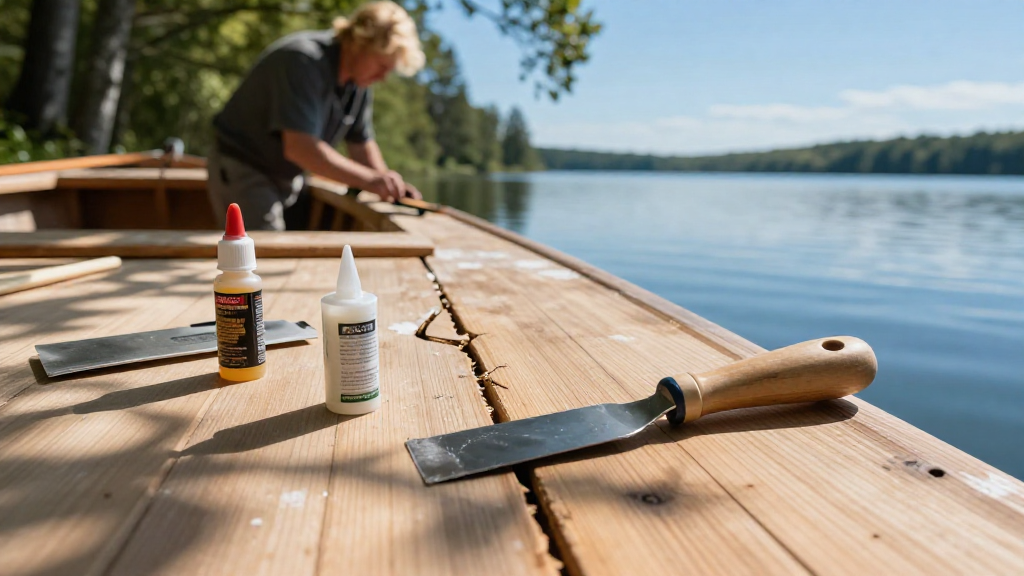
If you’re wondering how to fix boat hull cracks, you’ve come to the right place.
A crack in your boat hull can be a serious issue that affects its performance and safety. In this comprehensive guide, we’ll walk you through the step-by-step process to effectively repair both minor and major cracks.
What Causes Cracks in Boat Hulls?
Before diving into how to fix boat hull cracks, it’s essential to understand what causes them.
- Age and Wear: Older boats are more susceptible to cracks due to material fatigue.
- Impact Damage: Collisions with objects or rough landings can cause hull damage.
- Weather Conditions: Extreme temperature changes can lead to cracking, especially in fiberglass hulls.
Knowing these causes can help prevent future issues.
How Do You Identify Boat Hull Cracks?
Identifying boat hull cracks is the first step in fixing them.
- Visual Inspection: Look for visible cracks or separations in the hull surface.
- Water Leaks: If water seeps in past your hull, that’s a clear sign of cracks.
- Check for Soft Spots: Run your hand over the hull to identify any weakened sections.
Once you’ve identified the cracks, you can move on to the repair process.
How to Fix Boat Hull Cracks: What Materials Do You Need?
Before you start repairing boat hull cracks, gather the necessary materials:
- Epoxy Resin: Ideal for filling and bonding.
- Fiberglass Cloth: Provides reinforcement for the repair.
- Sandpaper: Used for smoothing the surface.
- Acetone: For cleaning the area.
- Putty Knife: Helpful for applying resin.
- Paint or Gel Coat: For finishing touches.
Collecting these materials ahead of time will streamline your repair process.
How to Fix Boat Hull Cracks: Step-by-Step Instructions
Now that you have everything you need, let’s delve into how to fix boat hull cracks step-by-step.
Step 1: Clean the Area
Before applying any materials, make sure the area is clean.
- Use acetone to remove dirt, grease, and debris from around the crack.
- Allow the surface to dry completely.
Step 2: Prepare the Crack
Now that you’re working with a clean surface, it’s time to prepare the crack for repair.
- For larger cracks, use a putty knife to slightly expand the crack. This allows better adhesion for the epoxy.
- Sand the surrounding area to create a rough surface, which helps the epoxy adhere better.
Step 3: Mix the Epoxy Resin
Follow the manufacturer’s instructions to mix the epoxy resin correctly.
- Measure both the resin and hardener accurately.
- Mix them together until you achieve a uniform consistency.
Step 4: Apply the Epoxy
With your mixed epoxy ready, it’s time to apply it to the crack.
- Use your putty knife to fill the crack completely with epoxy.
- Make sure to apply enough pressure to fill all gaps and ensure a strong bond.
- If needed, lay down strips of fiberglass cloth over the epoxy for added strength.
Step 5: Let It Cure
Follow the manufacturer’s instructions on curing time.
- Allow the epoxy to cure undisturbed for the recommended period.
- Ensure that it cures in a controlled climate, avoiding extreme temperatures.
Step 6: Sand the Surface
Once cured, it’s time to smooth out the repair.
- Sand the repaired area using progressively finer sandpaper until smooth.
- This should blend the repair with the surrounding hull and remove any excess epoxy.
Step 7: Finish with Paint or Gel Coat
To restore your boat’s aesthetic, consider finishing your repair.
- Clean the sanded area thoroughly to remove dust.
- Apply matching gel coat or paint to the area.
- For best results, follow up with a polish to make the repair almost invisible.
How to Maintain Your Boat Hull After Repair?
After mastering how to fix boat hull cracks, it’s essential to maintain your boat hull.
- Regular Inspections: Periodically check for any signs of new cracks or wear.
- Proper Storage: Store your boat in a controlled environment to minimize temperature fluctuations.
- Routine Cleaning: Keep your hull clean from saltwater and algae build-up, as they can lead to degradation.
When Should You Seek Professional Help?
While many boat hull cracks can be fixed easily using the above steps, some cases may require professional attention.
If you notice:
- Extensive Damage: Cracks that extend deep or cover a large area.
- Structural Issues: If the crack affects the integrity of your boat.
- Time Constraints: If you aren’t comfortable doing the repair, consider hiring a professional.
Conclusion
Learning how to fix boat hull cracks is an invaluable skill for any boat owner.
With the right materials, attention to detail, and a bit of patience, you can effectively repair cracks and keep your vessel in top condition.
By regularly checking for damage, maintaining your boat, and using the right repair techniques, you can extend the life of your hull and ensure countless enjoyable days on the water.
Now that you know how to fix boat hull cracks, you’re equipped to tackle any issues that come your way. Happy boating!