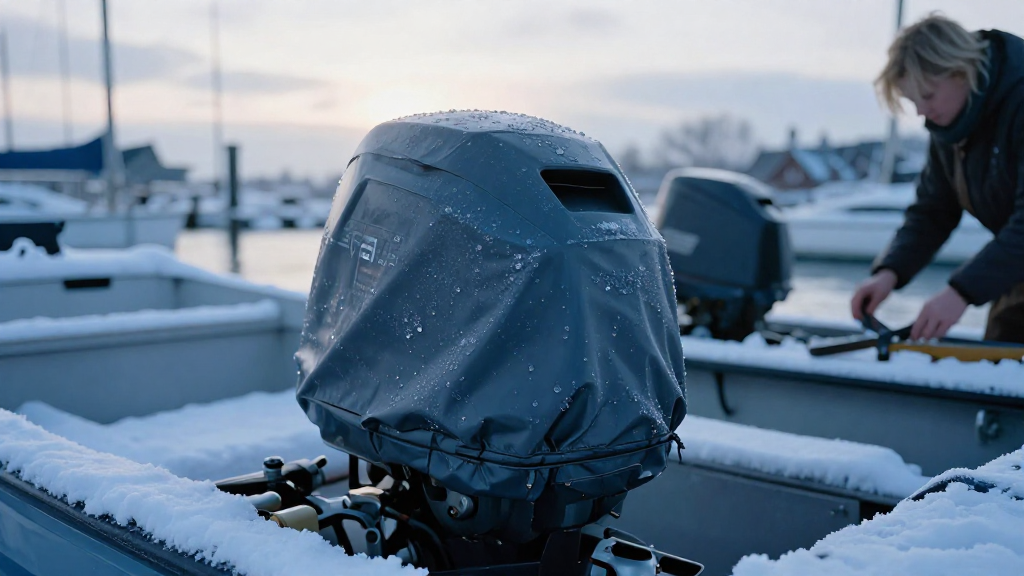
Before the cold weather sets in, it’s crucial to know how to winterize a boat engine.
Proper winterization can save you time, money, and headaches when spring arrives.
In this comprehensive guide, we’ll explore the steps involved in winterizing a boat engine, ensuring your investment is protected against harsh winter conditions.
Why Is It Necessary to Winterize a Boat Engine?
Winterizing your boat engine is essential for several reasons:
-
Prevents Damage: Cold temperatures can cause internal components to freeze, leading to costly repairs.
-
Ensures Longevity: Regular maintenance enhances the lifespan of your engine, allowing it to perform optimally when you take it back out.
-
Protects Fuel System: Fuel can deteriorate and cause problems if left untreated over long winters.
Knowing how to winterize a boat engine effectively protects all these components and keeps your boat safe from the elements.
What Supplies Do You Need for Winterizing a Boat Engine?
Before you start, gather the following supplies to effectively winterize your boat engine:
-
Engine Fogging Oil
-
Biological Fuel Stabilizer
-
Antifreeze (non-toxic for marine use)
-
Oil Change Kits
-
Grease Gun or Lubricating Oil
-
Freshwater Hose
-
Bucket or Drain Pan
Having these supplies on hand makes the winterization process smoother and more efficient.
How Do You Change the Oil in Your Boat Engine?
Changing the oil is one of the most important steps in how to winterize a boat engine. It ensures contaminants are removed, which helps maintain engine health.
Steps to Change the Oil:
-
Warm Up the Engine:
– Run the boat for a few minutes to warm it.
– Warm oil drains easier. -
Locate the Oil Drain Plug:
– Find and remove the oil drain plug.
– Allow the old oil to completely drain into a bucket or drain pan. -
Replace the Oil Filter:
– Remove the old oil filter and apply a little oil to the gasket of the new filter before installing it. -
Add New Oil:
– Insert the oil drain plug securely.
– Pour in the new engine oil as per the manufacturer’s specifications. -
Run the Engine:
– Start the engine again and check for leaks.
– This ensures the new oil circulates properly.
Changing your oil is a foundational step in how to winterize a boat engine.
How Do You Fog the Engine?
Fogging your engine is another critical component of the winterization process. This step protects your engine’s internal surfaces from corrosion during the winter months.
Steps for Fogging the Engine:
-
Start the Engine:
– Let it idle for a few minutes to ensure it is warm. -
Introduce Fogging Oil:
– Spray the fogging oil through the air intake while maintaining a steady RPM.
– You will notice some smoke; this is normal. -
Turn Off the Engine:
– Let it stall after a few seconds of fogging.
– This ensures thorough coverage of the oil inside the engine.
Fogging is another essential technique for how to winterize a boat engine successfully.
How Can You Stabilize the Fuel System?
The next step in how to winterize a boat engine involves stabilizing the fuel system. This prevents the fuel from breaking down over the winter months.
Steps to Stabilize Fuel:
-
Add Fuel Stabilizer:
– Pour a suitable stabilizer into your fuel tank as per the instructions on the product. -
Fill the Tank:
– It’s better to have a full tank as this reduces the chance of condensation forming inside. -
Run the Engine:
– Idle the engine for 10-15 minutes to ensure the stabilized fuel circulates throughout the fuel system.
Note:
- If possible, top off with fresh fuel instead of storing with old fuel.
What About the Cooling System?
Lastly, you cannot overlook the cooling system. Ensuring it is properly winterized protects against freeze damage.
Steps for Winterizing the Cooling System:
-
Drain the Cooling System:
– Remove the drain plugs to let water out of the block and manifold. -
Use Non-Toxic Antifreeze:
– Pour non-toxic antifreeze into the engine using a bucket with a freshwater hose attached.
– Note: Follow the manufacturer’s guidelines for the correct antifreeze type. -
Run the Engine:
– Start the engine again, allowing it to run for a few minutes to circulate the antifreeze.
How Can You Protect the Boat from Exterior Elements?
Protecting the exterior of your boat is as important as winterizing the engine.
Steps for Exterior Protection:
-
Clean the Boat:
– Wash and dry the surface properly. -
Wax the Hull:
– Applying a protective wax coating guards against UV damage. -
Use a Quality Cover:
– Invest in a solid boat cover that withstands harsh winter weather.
Conclusion
Learning how to winterize a boat engine is a vital maintenance task that helps preserve your boat’s condition during the off-season.
By following the steps outlined in this guide—changing the oil, fogging the engine, stabilizing the fuel, winterizing the cooling system, and protecting the boat exterior—you’ll ensure your boat is ready for action when the warmer months return.
Taking the time to winterize properly pays off when you are ready to enjoy the water again. Don’t procrastinate—start preparing your boat for winter today!