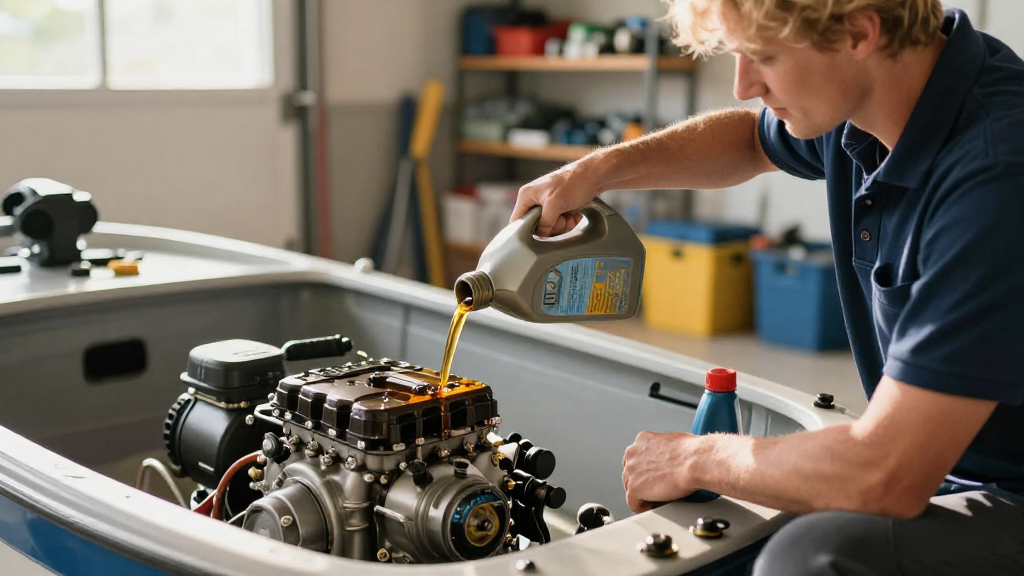
If you own a boat, you know that maintaining it is crucial for optimal performance and longevity. One essential maintenance task is learning how to change boat engine oil. This guide will walk you through the steps to efficiently change your boat’s engine oil at home.
Why Should You Change Boat Engine Oil?
Changing boat engine oil is not just a suggestion; it is vital for the health of your engine.
Benefits include:
- Improved Performance: Fresh oil keeps your engine running smoothly.
- Increased Longevity: Regular oil changes help prevent wear and tear.
- Fuel Efficiency: Clean oil helps your engine operate at maximum efficiency.
Ignoring this task can lead to costly repairs and decreased performance over time.
What Do You Need to Change Boat Engine Oil?
Before diving into the steps for how to change boat engine oil, it’s essential to gather all necessary materials.
Essential Tools and Materials:
- New Engine Oil (check your owner’s manual for specifications)
- Oil Filter
- Oil Pump or Siphon Pump
- Wrench Set
- Oil Catch Pan
- Funnel
- Rags or Shop Towels
- Protective Gloves
- Safety Glasses
By having these tools on hand, you can streamline the process significantly.
How Do You Prepare for the Oil Change?
Preparation is key to successfully changing your boat’s engine oil.
Here’s how to get started:
-
Find a Suitable Location:
– Ensure your boat is on a stable surface.
– If possible, change the oil while it’s on a trailer. -
Wait for the Engine to Cool:
– This step helps avoid burns and makes it easier to check oil levels. -
Disconnect the Battery:
– Always disconnect the negative terminal to ensure safety. -
Gather Information:
– Refer to your boat’s owner manual for specific information regarding oil types and capacities.
How to Change Boat Engine Oil in Simple Steps?
Now that you’re prepared, let’s learn how to change boat engine oil step by step.
Step 1: Drain the Old Oil
- Place the oil catch pan under the engine’s oil pan.
- Locate the drain plug (usually at the lowest point of the oil pan).
- Using your wrench, carefully loosen the drain plug.
- Allow the oil to completely drain into the catch pan.
Step 2: Replace the Oil Filter
- Using an oil filter wrench, remove the old oil filter.
- Before installing the new filter, apply a little new oil to the rubber seal on the filter. This helps ensure a good seal.
- Install the new filter following the manufacturer’s instructions.
Step 3: Add New Oil
- Locate the oil filler cap on top of the engine.
-
Using a funnel, pour the new engine oil into the filler.
– Check your owner’s manual for the correct type and quantity of oil required. -
Once you’ve added the oil, replace the oil filler cap securely.
Step 4: Check Oil Levels
- Start the engine and allow it to run for a few minutes.
- Turn off the engine and wait for a few moments.
- Use the dipstick to check the oil level.
– If the level is low, add more oil as needed.
Step 5: Dispose of Old Oil Properly
Proper disposal of used oil is crucial for environmental safety.
- Never dump oil down the drain or on the ground.
- Check if local recycling centers accept used oil.
- Many auto parts stores also take used oil.
When Should You Change Boat Engine Oil?
Understanding when to change your boat engine oil can help prevent issues down the line.
- Seasonal Changes:
-
It’s advisable to change the oil at the beginning and end of the boating season.
-
Usage Patterns:
-
If you use your boat heavily, consider changing the oil more frequently.
-
Manufacturer Specifications:
- Always follow the recommendations provided in your owner’s manual.
What Are the Common Mistakes to Avoid?
When learning how to change boat engine oil, it’s important to avoid common pitfalls:
-
Neglecting to Replace Oil Filter:
– This can lead to contamination in new oil. -
Using the Wrong Oil Type:
– Ensure you are using the right viscosity and brand recommended for your engine. -
Overfilling or Underfilling Oil:
– Always use the dipstick to verify proper levels. -
Skipping Safety Gear:
– Always wear gloves and goggles for protection from spills and debris.
Conclusion: Can You Handle It?
With this guide on how to change boat engine oil, you have the knowledge needed to maintain your boat effectively.
Regular oil changes not only enhance performance but also extend the lifespan of your engine, providing a smoother and safer sailing experience.
Taking these steps is straightforward, and by investing a bit of time and effort, you can save money and ensure your boat performs at its best.
So, don’t put it off any longer—get started on your boat maintenance today! By mastering this essential skill, you can enjoy more time on the water and less time worrying about engine issues.