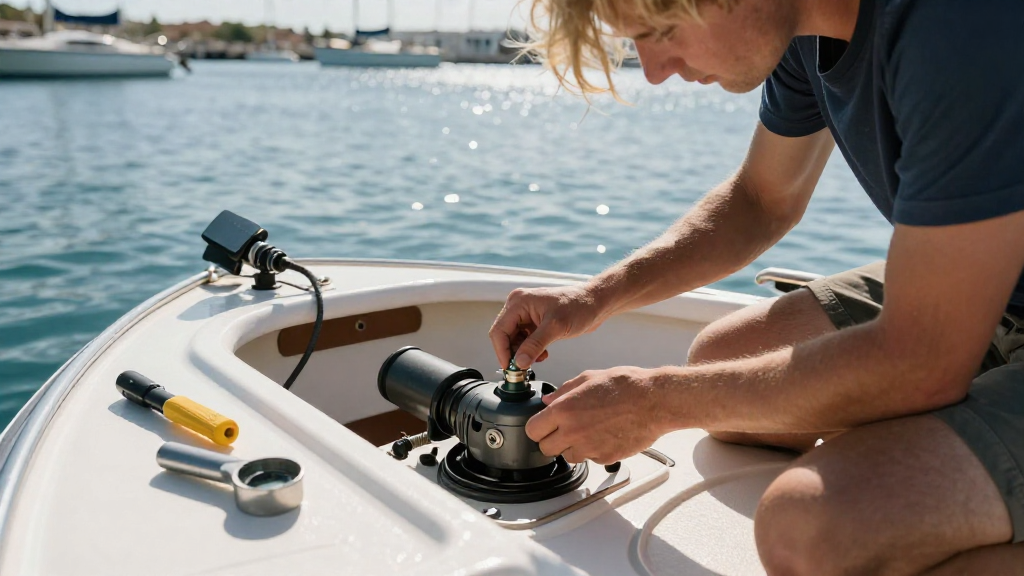
If you’re a boat owner, knowing how to replace a boat bilge pump is essential for maintaining safety and ensuring the performance of your vessel. A malfunctioning bilge pump can lead to water accumulation, which may result in serious damage or even sinking.
What is a Bilge Pump and Why is it Important?
A bilge pump is a critical component of your boat’s overall functionality.
This pump is responsible for removing excess water from the bilge, the lowest part of a vessel.
Water may accumulate due to various reasons, such as:
- Rainwater entering through hatches or leaks
- Water from washing down the deck
- Leaks from the hull
Ensuring that your bilge pump works efficiently can prevent potentially dangerous situations.
When Should You Replace a Bilge Pump?
Understanding when to replace your bilge pump is crucial for safety on the water.
Here are some signs that indicate it may be time for a replacement:
-
Frequent activation: If your bilge pump frequently runs even when the boat isn’t taking on water, it may indicate that the pump is failing.
-
Strange noises: Unusual sounds during operation, like grinding or rattling, can signal mechanical failure.
-
Burnt smell: A burnt smell can indicate overheating and should be addressed immediately.
-
Age: Most bilge pumps have a lifespan of about 3 to 5 years. If your pump is reaching the end of this range, consider replacing it as a preventive measure.
-
Ineffective Water Removal: If the pump fails to empty the bilge properly, it’s time for an upgrade.
If your boat’s bilge pump is showing any of these symptoms, continue reading to learn how to replace a boat bilge pump effectively.
How to Replace a Boat Bilge Pump?
Replacing a bilge pump might seem daunting, but with the right tools and a bit of know-how, you can tackle the task yourself.
Here’s a step-by-step guide on how to replace a boat bilge pump:
What Tools Do You Need?
Before starting the replacement, gather the necessary tools and materials:
- New bilge pump (always choose a pump suitable for your boat)
- Wrench set
- Screwdriver
- Hose clamp
- PVC or flexible hose
- Marine sealant (for waterproofing)
- Wire cutters and connectors
- Multimeter (for checking electrical connections)
How to Remove the Old Bilge Pump?
-
Turn Off Power: Always begin by disconnecting the power to the bilge pump. This prevents electrical shocks and accidental activation during the replacement process.
-
Locate the Bilge Pump: Find the bilge pump in the bilge area of your boat. This is usually located at the lowest point to effectively drain water.
-
Disconnect the Hose: Carefully remove the hose that connects the pump to the outlet. You may need to loosen a hose clamp using a screwdriver or wrench.
-
Remove the Pump: Unscrew or unclip the pump from its mounting. Lift the pump out of the bilge.
-
Inspect Wiring: Take a moment to inspect the wiring connected to the old pump. Checking for corrosion or damage here is vital as these could affect the new pump’s performance.
How to Install the New Bilge Pump?
-
Prepare the New Pump: Check that the new bilge pump is compatible with your boat’s system. Consult the manufacturer’s manual for guidance.
-
Connect Wiring: Before installing the new pump, connect the electrical wires from the boat to the new pump. Ensure connections are tight and secure to avoid future issues.
-
Mount the New Pump: Place the new bilge pump into the designated area and secure it using screws or clips, as necessary.
-
Attach the Hose: Reroute the existing hose or install a new one. Secure it with a hose clamp, ensuring there are no leaks.
-
Seal Connections: For added waterproofing, apply marine sealant where needed.
-
Reconnect Power: Once everything is in place, reconnect the power to the bilge pump.
How to Test the New Bilge Pump?
After installation, it’s essential to test the performance of your new bilge pump:
-
Check Power: Use a multimeter to ensure that power is flowing to the pump.
-
Simulate Water: Pour a small amount of water into the bilge area to trigger the pump.
-
Observe Operation: Make sure the new pump activates correctly and expels water efficiently.
-
Inspect for Leaks: After the pump has run, check all connections for any signs of leakage.
-
Monitor Performance: Over the next few outings, listen and watch the pump during operation to confirm that it works as expected.
How to Maintain Your Bilge Pump?
Proper maintenance can extend the life of your bilge pump and ensure it performs well. Here’s how:
-
Regular Inspections: Check the pump at least twice a season, especially before and after long trips.
-
Clear Debris: Remove any debris or buildup in the bilge area that could obstruct the pump’s operation.
-
Test Functionality: Regularly test the pump to ensure that it activates appropriately.
-
Clean Connections: Keep electrical connections clean to prevent corrosion.
-
Replace Filter: Some pumps come with a filter; ensure you replace it as recommended by the manufacturer.
Final Thoughts
Knowing how to replace a boat bilge pump can save you time, money, and potentially your boat.
By following this comprehensive guide, you can confidently take on the task yourself.
Always remember the essential importance of maintaining your bilge pump for safety on the water.
Regular checks, timely replacements, and prompt actions can help ensure your vessel is seaworthy and safe for all your adventures.
Whether you’re an experienced sailor or just starting, proper knowledge of your boat’s systems, including bilge pumps, exemplifies best practices in boat ownership. Safe sailing!