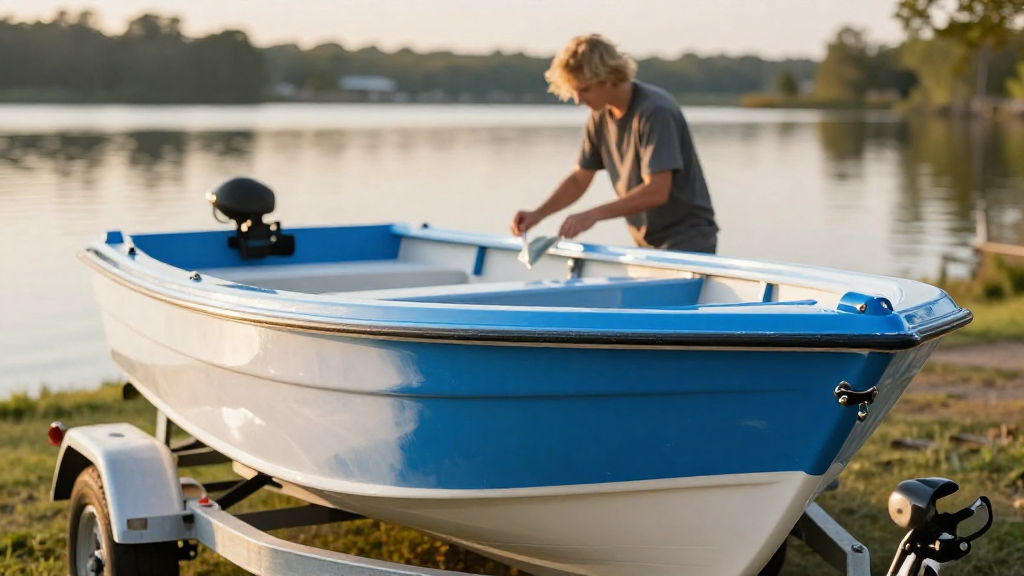
If you’re looking to enhance the longevity of your boat trailer, understanding how to paint a boat trailer is essential.
A well-maintained boat trailer not only protects your investment but also ensures safer and smoother transportation.
In this article, we will explore the steps involved in painting your boat trailer for increased durability, providing you with the knowledge needed to complete this project successfully.
Why Should You Paint Your Boat Trailer?
Painting your boat trailer serves multiple purposes:
-
Protection Against Corrosion: Boat trailers are often exposed to water, salt, and other harsh elements that can lead to rust and corrosion. A good paint job acts as a barrier.
-
Aesthetics: A freshly painted trailer looks more appealing and can enhance the overall appearance of your boat.
-
Value Retention: Maintaining your boat trailer helps preserve its value over time, especially if you plan to sell it in the future.
-
Easier Maintenance: A painted surface is easier to clean and maintain than bare metal.
Understanding these benefits lays the foundation for learning how to paint a boat trailer properly.
What Preparation Is Required Before Painting?
Before diving into the actual painting process, preparation is key. Here are the steps you need to take:
1. Gather the Right Materials
You will need:
- Sandpaper or a power sander
- Paint stripper (if your trailer has old paint)
- Clean rags
- Rust-inhibiting primer
- Marine-grade paint
- Paintbrush and roller or a spray gun
- Masking tape
- Drop cloths
2. Clean the Trailer
Thoroughly clean your boat trailer to remove dirt, grime, and grease.
Use a mixture of soap and water, followed by a rinse.
3. Inspect for Damage
Check for any signs of rust or damaged parts that may need replacement.
Addressing these issues before painting is crucial for enhancing durability.
4. Remove Old Paint
If your trailer has existing paint that is peeling or flaking, use sandpaper or a paint stripper to remove it.
Make sure the surface is smooth and free of any debris.
How to Paint a Boat Trailer Step-by-Step
Now that your trailer is prepped, it’s time to get into the fun part: the painting process.
Follow these steps for a successful paint job:
1. Apply Primer
- Start by applying a rust-inhibiting primer to all metal surfaces.
- Use a paintbrush or roller for small areas, and a spray gun for larger surfaces.
- Allow the primer to dry completely according to the manufacturer’s recommendations.
2. Mask Off Areas You Don’t Want to Paint
Use masking tape to cover any parts of the trailer that should remain unpainted, such as lights, wheels, and non-painted metal parts.
3. Start Painting
- Apply a thin coat of marine-grade paint.
- For best results, use multiple thin coats instead of one thick layer.
- Follow the manufacturer’s recommendations for dry times between coats.
4. Allow to Cure
Once painting is complete, allow the trailer to cure fully for the time listed on the paint can.
This step is essential for ensuring durability.
How to Maintain the Paint on Your Boat Trailer?
Now that you’ve successfully painted your boat trailer, maintaining it is vital for extending its durability.
1. Regular Cleaning
- Regularly wash your boat trailer with soap and water to remove built-up grime and salt.
2. Inspect for Damage
- Regularly inspect your trailer for chips or scratches in the paint that could expose metal underneath.
3. Touch-ups
- Use leftover paint to do quick touch-ups on any areas showing signs of wear.
4. Store Properly
- When not in use, store your trailer in a dry, covered area to protect it from the elements.
What Are the Common Mistakes to Avoid?
When learning how to paint a boat trailer, there are several common pitfalls you should avoid:
-
Skipping Prep Work: Failing to clean and prep the surface will lead to poor paint adhesion.
-
Ignoring Rust: Not addressing rust before painting will cause problems down the line.
-
Using Inappropriate Paint: Regular paint will not stand up against marine conditions. Always opt for marine-grade paint.
-
Painting in Poor Conditions: Avoid painting on windy or humid days, as this can affect the drying process.
Conclusion
Learning how to paint a boat trailer is a worthwhile endeavor that can save you time and money in the long run.
By following the steps outlined in this article, you can enhance the durability and longevity of your trailer while keeping your boat safe during transportation.
Remember to use high-quality materials and perform regular maintenance for optimal results.
With a well-painted trailer, you’ll feel confident taking your boat on adventures for years to come!
Enjoy painting, and happy boating!