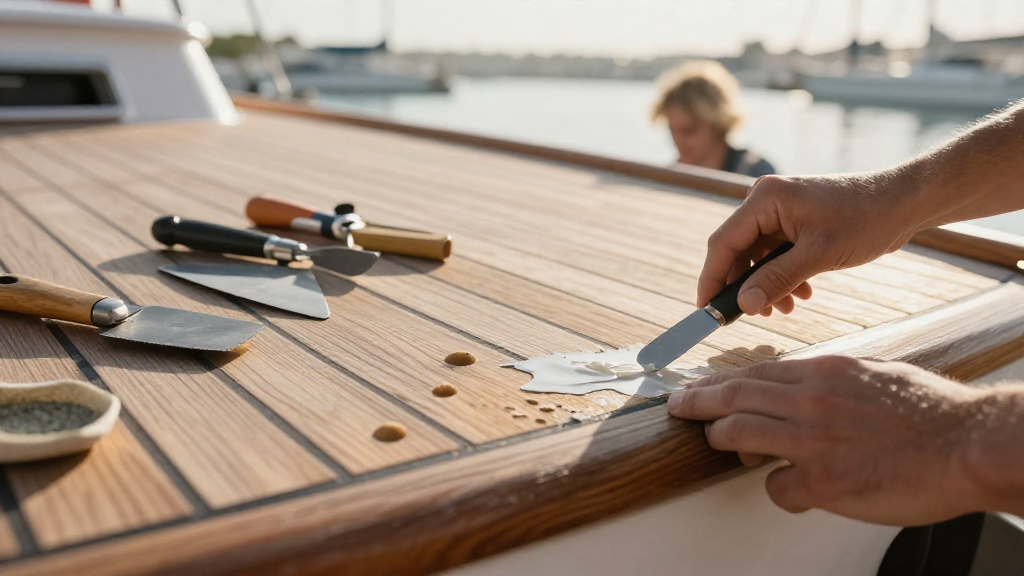
Have you ever wondered how to repair soft spots on a boat deck?
Soft spots can develop for various reasons, including water damage or decay in the underlying materials.
Understanding how to fix these issues is crucial for maintaining the integrity and safety of your boat.
What Causes Soft Spots on a Boat Deck?
Soft spots typically arise from moisture intrusion, which leads to structural weakening. Here are some common factors that contribute:
- Water Accumulation: Stagnant water on the deck can penetrate the surface.
- Improper Sealing: Worn-out seals around fittings and hatches can allow moisture in.
- Poor Drainage: Inadequate drainage systems can trap water on the deck.
- Age of the Material: Over time, materials can break down and weaken, leading to soft spots.
How Can You Identify Soft Spots?
Detecting soft spots is essential for timely repairs. Here’s how you can identify them:
- Physical Inspection: Walk around the deck and apply pressure with your foot.
- Sound Test: Tap on the deck with a mallet. A hollow sound may indicate a soft spot.
- Visual Cues: Look for discoloration, blistering, or cracks on the surface.
How to Repair Soft Spots on a Boat Deck: Step-by-Step Guide
Now that you know how to identify soft spots, it’s time to learn how to repair soft spots on a boat deck. Follow these steps:
1. Gather Your Materials
Before you start, ensure you have the following materials on hand:
- Safety gear: Gloves, goggles, and a mask.
- Tools: Circular saw or jigsaw, drill, sander, and a utility knife.
- Repair materials: Marine-grade plywood, epoxy resin, fiberglass cloth, marine adhesive, and sealing compound.
- Finishing materials: Gel coat, deck paint, or non-skid surface.
2. Remove the Affected Area
Begin by removing the soft spot.
- Cut Out the Damaged Section: Use your circular saw to carefully cut around the soft area, ensuring you don’t cut into any good sections.
- Lift Up the Damaged Material: Gently pry up the rotting material with a chisel or utility knife.
3. Inspect the Underlying Structure
Once the damaged section is removed, inspect the underlying structure.
- Look for Further Damage: Check for additional rot or decay in the stringers or other support structures.
- Assess Moisture Levels: Use a moisture meter to check the moisture content.
4. Repair or Replace Damaged Structures
Depending on the inspection results, you may need to repair or replace damaged structures.
- For Minor Damage: Treat with epoxy resin and allow to cure.
- For Severe Damage: Cut away the damaged wood and replace it with new marine-grade plywood.
5. Secure New Plywood
If you’ve replaced any sections with new marine plywood:
- Cut the New Plywood to Fit: The new piece should fit snugly into the void.
- Attach the Plywood: Use marine adhesive or screws to secure the plywood firmly.
6. Apply Epoxy and Fiberglass
To ensure long-lasting durability:
- Apply Epoxy Resin: Cover the repaired area with an even layer of epoxy resin.
- Add Fiberglass Cloth Over the Epoxy: This adds strength and waterproofing.
- Apply Another Coat of Epoxy: Once the first layer cures, add a second coat for added protection.
7. Sand and Finish
Finally, sand the area for a smooth finish.
- Use a Sander: Smooth the edges and surface to blend it into the rest of the deck.
- Finish with Gel Coat or Paint: Apply gel coat or marine paint to protect the repair and match your deck’s original look.
8. Seal and Prevent Future Issues
To prevent future soft spots, take proactive measures:
- Regular Inspections: Inspect your deck frequently for signs of wear or damage.
- Improve Drainage: Check drainage systems to make sure they function properly.
- Seal Properly: Re-apply sealants around fittings and hatches periodically.
How Much Will It Cost to Repair Soft Spots?
The cost of repairing soft spots on your boat deck can vary significantly based on:
- Size of the Damage: Larger soft spots will increase material costs.
- Types of Materials Used: Marine-grade materials can be more expensive.
- Labor Costs: If you hire a professional, labor can add substantial costs.
As a rough estimate, DIY repairs can range from $50 to $200 for materials. Hiring a professional could drive costs to $500 or more.
When Should You Seek Professional Help?
Sometimes, taking matters into your own hands isn’t the best option.
If the damage is extensive or you’re uncomfortable performing the repairs, consider seeking professional help.
Look for boat repair specialists with experience in boat deck repairs.
They can provide expertise and ensure your repairs are done correctly, increasing the longevity of your boat.
Conclusion
Understanding how to repair soft spots on a boat deck is crucial for maintaining the vessel’s integrity and preserving its value.
With the right tools and materials, you can tackle this repair job yourself and save money in the process.
Regular inspection and proactive maintenance will help you prevent future issues, keeping your boat safe and enjoyable for years to come.
For more tips and advice on boat maintenance, make sure to follow our blog!
By effectively utilizing the steps mentioned above, you will ensure your boat not only looks good but remains safe while navigating the waters.