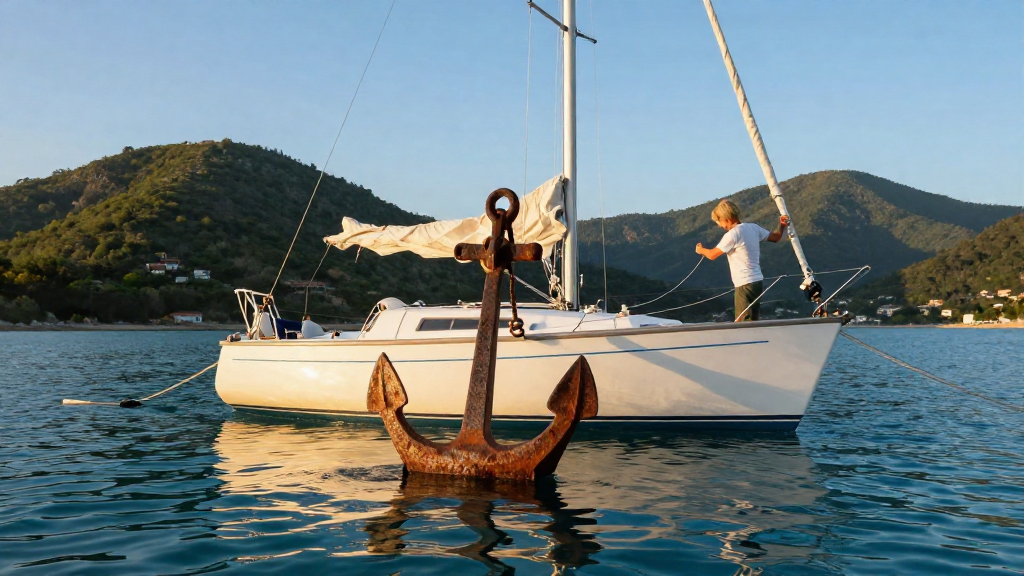
Choosing the right boat anchor is crucial for ensuring your safety and stability while out on the water.
In this article, we’ll explore how to choose a boat anchor that suits your specific needs and environment.
Why Is Choosing the Right Boat Anchor Important?
Choosing the right boat anchor can significantly impact your boating experience.
An appropriate anchor will help you remain securely moored in various conditions, preventing potential accidents or damages caused by drifting.
Here are a few reasons why choosing the right anchor is vital:
- Safety: A proper anchor holds your boat steady during strong winds and currents.
- Convenience: An effective anchor allows for easy deployment and retrieval.
- Protection of Your Vessel: A robust anchor reduces the risk of collisions or grounding.
What Are the Different Types of Boat Anchors?
When learning how to choose a boat anchor, it’s essential to understand the different types available.
Here are some of the most common anchor types and their characteristics:
-
Fluke Anchors (Danforth):
– Best For: Soft bottoms like mud and sand.
– Features: Lightweight and easy to store; excellent holding power. -
Plow Anchors (CQR and Bruce):
– Best For: Mixed bottoms and varying conditions.
– Features: Self-setting and reliable in tough conditions. -
Mushroom Anchors:
– Best For: Permanent moorings or soft bottoms.
– Features: The design allows it to dig in over time. -
Grapnel Anchors:
– Best For: Small boats and kayaks in rocky environments.
– Features: Compact size and maneuverability. -
Anchor Chains and Ropes:
– Best For: Additional holding power and shock absorption.
– Features: Determines the type of anchor and its effectiveness.
How Do You Determine the Right Anchor Size?
Determining the right size for a boat anchor is critical in ensuring proper security. Here’s how you can find the appropriate anchor size:
-
Know Your Boat Weight:
The weight of your boat is a primary factor in deciding the anchor size.
Make sure to account for the weight of passengers, gear, and any additional loads. -
Follow the Manufacturer’s Recommendations:
Each anchor type comes with guidelines that indicate the required size based on your boat’s weight.
Therefore, always refer to these recommendations as a reliable starting point. -
Environmental Conditions:
The conditions where you plan to anchor should also influence your size choice.
In rough waters or strong currents, consider opting for a larger anchor for better holding power. -
General Sizing Rule:
As a general guideline, your anchor should weigh around 1 pound for every foot of your boat’s length.
For example, a 25-foot boat would typically require a 25-pound anchor.
What Conditions Should You Consider When Choosing an Anchor?
When learning how to choose a boat anchor, various environmental factors must be considered:
1. Seabed Type
-
Soft Seabeds: (Mud, sand)
Ideal Anchor: Fluke anchors (Danforth) are excellent in these conditions as they can dig in easily. -
Hard Seabeds: (Rock, gravel)
Ideal Anchor: Plow anchors tend to perform better in rocky environments by ensuring stability. -
Weedy or Mixed Seabeds:
Ideal Anchor: Consider using a plow or grapnel anchor, as these types can navigate through different substrates effectively.
2. Current and Weather
-
Strong Currents and Winds:
Recommendation: A heavier, more robust anchor will hold better in rough conditions. -
Calm Waters:
Recommendation: A lighter fluke anchor may suffice, as holding power is less critical.
How Do You Deploy and Retrieve Your Anchor Safely?
Understanding how to deploy and retrieve your anchor is just as important as knowing how to choose a boat anchor.
Here are some essential steps to follow:
Deploying the Anchor
-
Choose Your Spot:
Select a location away from other boats, shallow enough to anchor without grounding. -
Slowly Lower the Anchor:
Let out the anchor rope slowly until it hits the bottom. -
Back the Boat Up:
Engage the reverse gear to set the anchor in place while simultaneously letting out more rope as needed.
Retrieving the Anchor
-
Prepare the Gear:
Make sure yourself and passengers are safely seated before starting the retrieval process. -
Clear of Obstacles:
Ensure the area around your boat is clear of debris or other anchors. -
Winch Use:
If available, use a winch to pull the anchor up smoothly and steadily, avoiding sudden jerks that could damage the equipment or your boat. -
Check the Anchor:
Inspect the anchor for any debris or damage once it’s retrieved.
How Can Anchor Accessories Improve Your Experience?
When figuring out how to choose a boat anchor, consider the variety of anchor accessories that can enhance your anchoring experience:
-
Anchor Lines:
Using specific anchor line lengths and types provides additional holding power while absorbing shock from waves. -
Anchor Hooks and Clips:
Simplify the process of attaching and detaching the anchor from the boat. -
Anchor Ball:
A highly visible buoy that can be floated to mark your anchored location. -
Anchoring Apps:
Use modern technology to choose your location, monitor conditions, and ensure your anchor remains secure.
Conclusion
Now that you have insights on how to choose a boat anchor suited to your needs, you’re better prepared for your next outing.
Always remember to consider your boat’s weight, environmental conditions, and the variety of anchor types available.
An appropriate anchor not only secures your vessel but also adds to your overall boating enjoyment.
With the right information and strategies at hand, you’ll be ready to tackle any anchoring situation with confidence.
Happy boating!