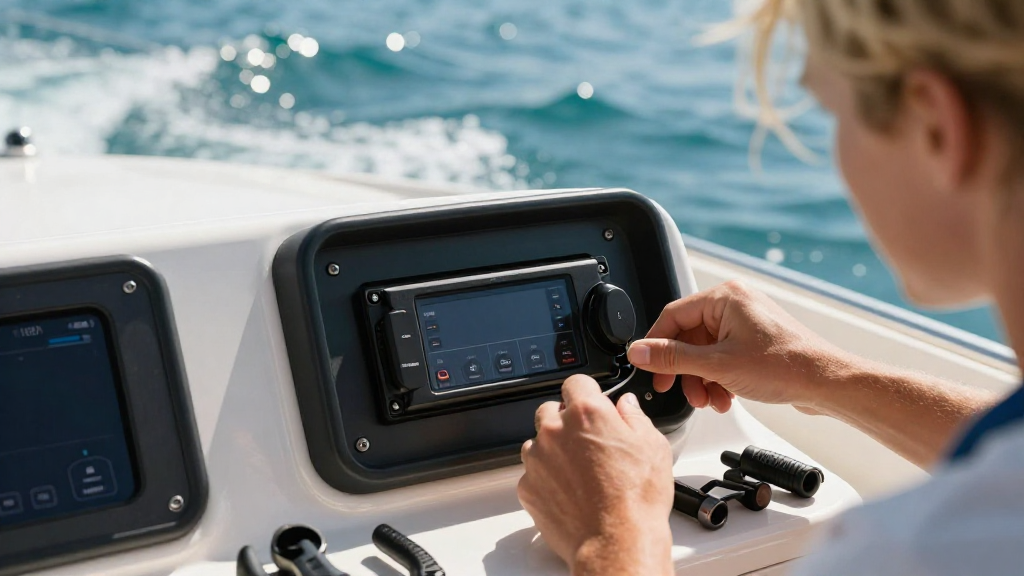
If you’re looking to enhance communication on your boat, knowing how to install a boat radio is essential. A reliable marine radio system ensures safety, coordination, and connectivity whether you’re navigating the high seas or enjoying a peaceful day on the water.
What is a Marine Radio System?
A marine radio system includes various components, such as:
- VHF Radios: These are the most common and crucial for communication.
- HF Radios: Used for long-range communication beyond VHF limits.
- Sailor Radios: Designed for specific nautical communication needs.
- Antennas: Essential for signal reception and emission.
- Power Supplies: To ensure the radio functions properly.
A robust marine radio system is not only a safety tool but also a means of staying connected with other vessels and shoreside services.
What Do You Need to Install a Boat Radio?
To effectively learn how to install a boat radio, it’s important to gather all necessary tools and materials before starting. Here’s a comprehensive list to help you prepare:
- Marine VHF Radio: Select a unit suitable for your boating needs.
- Mounting Bracket: For secure installation.
- Cabling: Compatible power and antenna cables.
- Antennas: Make sure they are suitable for VHF or HF.
- Power Tools: Screwdriver, drill, or whatever is necessary for installation.
- Wiring Tools: Wire cutter/stripper, connectors, and heat-shrink tubing.
- Electrical Tape: For securing connections.
How Do You Choose the Right Location for Your Radio?
Choosing the right location for your marine radio is a critical step in how to install a boat radio.
- Accessibility: The radio should be easily reachable from your helm.
- Visibility: Ensure the display is visible in different lighting conditions.
- Protection: It’s best to install in an area shielded from water exposure.
- Antenna Clearance: Keep in mind antenna height and positioning for optimal performance.
How to Install a Boat Radio: Step-by-Step Guide
Now that you have the necessary tools and a suitable location, it’s time to dive into the installation process. Follow these steps carefully to successfully install a marine radio system on your boat:
Step 1: Disconnect Power
Before you begin any electrical work, ensure that the battery is disconnected to prevent any shocking accidents.
Step 2: Mount the Radio
- Position the mounting bracket according to your chosen location.
- Drill holes for the screws.
- Secure the bracket using screws and ensure it’s tightly fastened.
Step 3: Connect the Power Supply
- Strip the ends of the power cables to expose the wires.
- Connect the positive (+) wire from the radio to the positive terminal on the battery.
- Connect the negative (-) wire from the radio to the negative terminal on the battery.
- Use heat-shrink tubing and electrical tape to secure connections and prevent exposure.
Step 4: Install the Antenna
- Position the antenna on a suitable mount. This is crucial for effective communication.
- Make sure there’s sufficient height for signal clearance.
- Secure the antenna with the mount and tighten it properly.
- Connect the antenna cable to the radio.
Step 5: Test the Radio
- Reconnect the battery.
- Turn on the radio.
- Conduct a test call to ensure that both transmissions and receptions are functioning properly.
What Are the Best Practices for Maintaining Your Marine Radio?
Proper maintenance extends the lifespan of your marine radio system. Here are some best practices to consider:
- Regular Checks: Periodically test the radio for functionality.
- Clean Connections: Ensure that the wiring and connections remain free of corrosion and dirt.
- Check Antennas: Regularly inspect antenna height and alignment.
- Update Firmware: If applicable, keep your radio’s software updated for optimal performance.
Safety Considerations When Installing a Marine Radio
When learning how to install a boat radio, it’s also crucial to be aware of safety considerations:
- Use Protective Gear: Wear gloves and safety goggles while working with tools.
- Work in a Dry Environment: Moisture can cause serious electrical hazards.
- Consult Your Manual: Refer to the user manual for specific installation guidance for your radio model.
Conclusion: Mastering How to Install a Boat Radio
Installing a marine radio system is not just a project—it’s an investment in your boating safety and enjoyment. With this complete guide on how to install a boat radio, you’ll be well-prepared to enhance your vessel’s communication capabilities.
By choosing the right equipment and following best practices, you will not only ensure the successful installation of your marine radio but also maintain its longevity and reliability.
Remember, whether you’re out on the waters for leisure or emergency situations, having a functional marine radio can make all the difference. Happy boating!