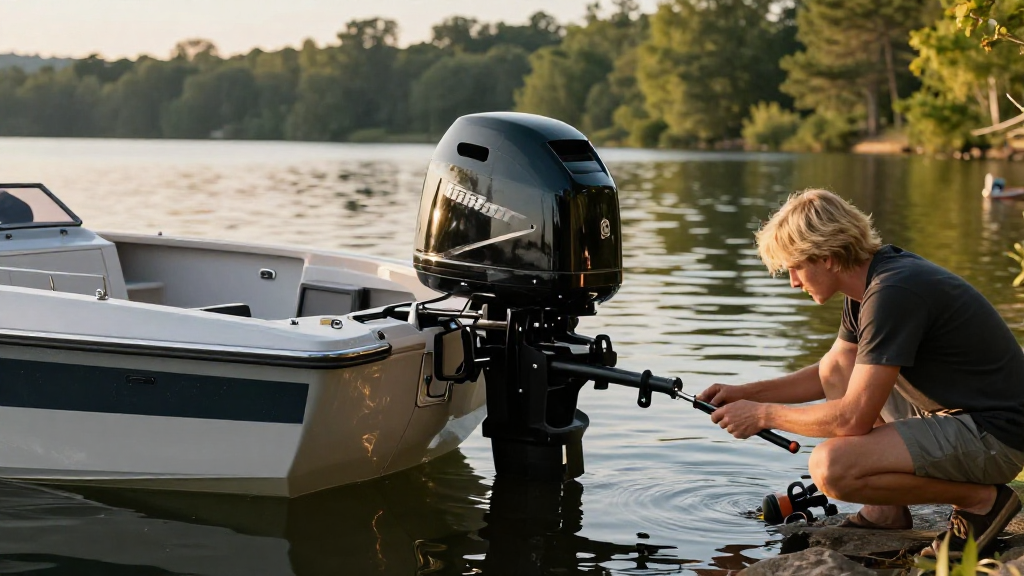
Installing a trolling motor on your boat can enhance your fishing experience and make navigating through the water more efficient.
In this article, we will guide you through how to install a trolling motor effectively, ensuring you have all the necessary tools and knowledge to tackle this project successfully.
What Are the Essential Tools for Installation?
Before we dive into the installation process, let’s gather the essential tools you’ll need.
Having the right tools can simplify the task and make it more enjoyable. Here’s a list of items you will require:
- Drill: For making holes in your boat.
- Drill Bits: Specific sizes appropriate for your mounting hardware.
- Screwdriver: To tighten all screws securely.
- Tape Measure: For precise measurements.
- Wrench: To adjust nuts and bolts.
- Level: Ensures that the motor is mounted evenly.
- Marine Sealant: To protect against water damage.
- Safety Glasses: Always a good idea for protection.
Once you have these tools, you’re ready to learn how to install a trolling motor on your boat.
Where Should You Position the Trolling Motor?
One of the critical steps in how to install a trolling motor involves selecting a proper location on your boat for the motor.
You want to ensure that the motor’s placement does not interfere with navigation or the boat’s balance.
Here are some key considerations:
-
Bow or Stern: Decide whether to mount at the front (bow) or rear (stern) based on your boating style.
-
Clearance: Ensure there’s enough space for the motor to tilt and retract.
-
Weight Distribution: Balance the boat to avoid any unwanted tilting.
-
Mounting Area: Choose a flat surface that can support the motor’s weight and vibrations.
-
Accessibility: Ensure it’s easy to access for adjustments and removal.
By following these guidelines, you’ll find the perfect spot to mount your trolling motor.
What Are the Steps to Install the Trolling Motor?
Now that you’ve chosen the location, let’s outline the necessary steps of how to install a trolling motor.
Here’s a detailed breakdown:
Step 1: Mark the Mounting Location
Using your tape measure,
carefully measure the position of the motor.
- Mark the drill points with a pencil or marker.
- Use the level to ensure everything is straight.
Step 2: Drill the Holes
Select the appropriate drill bit based on the size of your mounting hardware.
- Carefully drill holes at the marked locations.
- Avoid using excessive force to prevent damaging your boat.
Step 3: Apply Marine Sealant
To protect against water damage:
apply a small amount of marine sealant around each hole.
This will help in keeping the water out and minimizing potential leaks.
Step 4: Attach the Mounting Bracket
Secure the mounting bracket to the boat using screws and washers.
- Make sure the bracket is aligned properly.
- Tighten the screws until firm but avoid overtightening as this can strip the screws.
Step 5: Install the Trolling Motor
- Lift the trolling motor and align it with the bracket.
- Secure the motor with the provided hardware.
Make sure it’s locked into place and adjust as needed.
Step 6: Connect the Wiring
Follow the manufacturer’s instructions for wiring:
- Connect the power cables to the battery.
- If it’s a remote control motor, install the receiver as instructed.
- Ensure all connections are secure and protected from water.
Step 7: Test the Installation
Before heading out on the water, you should test the installation:
- Turn on the motor and listen for any unusual sounds.
- Check the responsiveness of controls and make sure the motor moves smoothly.
- Adjust the angle if necessary.
What Are the Safety Precautions to Consider?
When learning how to install a trolling motor, safety should always be your top priority. Here are some essential safety tips to keep in mind:
- Wear Safety Gear: Use gloves, goggles, and any other necessary protective gear.
- Follow Instructions: Always adhere to the manufacturer’s guidelines for installation.
- Secure Loose Wires: Avoid tripping hazards by keeping wiring tidy and secure.
- Test in a Safe Area: Initially test the motor in a small, controlled environment to familiarize yourself.
How Can You Maintain Your Trolling Motor?
After successfully installing your motor, it’s essential to maintain it for optimal performance.
Regular maintenance ensures longevity.
Here are some tips for maintenance:
-
Clean the Propeller: Remove any debris that can impede performance.
-
Check the Battery: Regularly inspect connections and charge as needed.
-
Inspect Wiring: Look for frays or damage to prevent electrical issues.
-
Lubricate Moving Parts: Apply appropriate lubricants to keep everything running smoothly.
-
Store Properly: When not in use, remove the motor and store it in a dry place.
By taking these steps, you can ensure your trolling motor remains in good condition and continues to enhance your boating experience.
Conclusion
Now that you know how to install a trolling motor, you’re fully equipped to tackle this project with confidence!
From gathering the right tools to understanding the installation steps,
you can optimize your boat for an enjoyable fishing adventure.
Always remember to prioritize safety and perform regular maintenance for a long-lasting motor.
With your new trolling motor in place, you’ll find navigating waterways easier and your fishing experience more rewarding. So get out there, hit the water, and enjoy the journey!