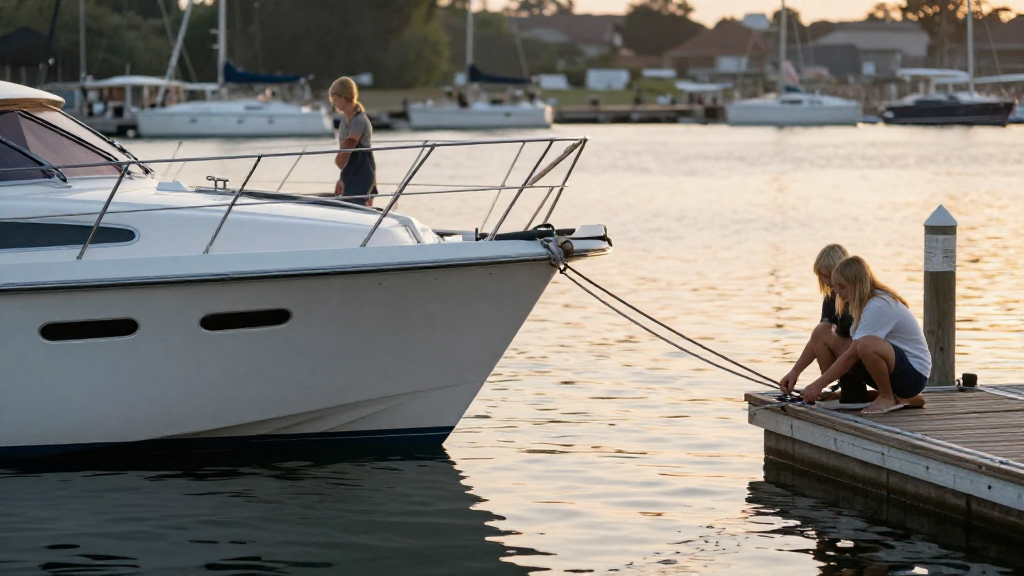
When it comes to boating, knowing how to tie a boat to a dock is an essential skill every boater should master. It not only ensures the safety of your vessel but also protects the dock and other boats in the vicinity. In this article, we will cover the best practices, techniques, and tips to securely tie your boat to a dock.
What Tools Do You Need to Tie a Boat to a Dock?
Before diving into the techniques, let’s take a look at the essential tools you will need for tying your boat:
- Dock Lines: These should be strong, durable, and the appropriate length based on your boat size.
- Cleats: Make sure the dock has cleats or posts to which you can secure your lines.
- Fenders: To help prevent damage between your boat’s hull and the dock.
- Knots: Familiarize yourself with essential knots like the cleat hitch, bowline, and figure-eight knot.
Having the right tools on hand makes the process of how to tie a boat to a dock much easier and safer.
What Are the Basic Techniques for Tying a Boat to a Dock?
-
Approach the Dock at a Safe Speed
When you’re getting close to the dock, ensure that your boat is approaching at a controlled speed. Aim for a gentle landing to minimize the risk of damage. -
Use Fenders
Place fenders on the side of the boat that will touch the dock. They provide cushioning to protect both your boat and the dock from impact. -
Secure the Bow Line First
As you come alongside the dock, secure the bow line to a dock cleat. This line is typically tied to the front of your boat and will stabilize your boat against the dock. -
Tie the Stern Line
Next, tie the stern line, which is attached at the back of the boat. This locks the boat in place and helps in ensuring it faces the right direction. -
Check for Adjustments
Once both lines are tied, check if the boat is secure in its position. The boat should not rock or drift away from the dock.
Which Knots Should You Use When Tying a Boat to a Dock?
Knowing the right knots is vital when learning how to tie a boat to a dock. Below are some popular knots used by seasoned boaters:
-
Cleat Hitch: This is the most common knot used to tie a boat to a dock. It’s quick, secure, and easy to untie.
-
Bowline Knot: This creates a fixed loop at the end of a rope, allowing you to secure your line to a ring or post.
-
Figure-Eight Knot: Primarily used to prevent slipping, this knot can be particularly useful for securing the end of a line.
Be sure to practice these knots on dry land before using them on the water!
What Is the Best Order for Tying a Boat to a Dock?
To ensure a smooth docking experience, follow this order of operations:
-
Approach the Dock: Reduce your speed and line up your boat parallel to the dock.
-
Throw the Bow Line: If possible, have a crew member grab the bow line and throw it to dock personnel or loop it over a cleat.
-
Secure the Stern: Once the bow is secured, move to the back of the boat and tie the stern line.
-
Add Spring Lines: If you have additional lines (spring lines), use them to prevent the boat from moving forward or backward.
-
Final Adjustments: Walk around your boat to make sure all lines are secure and adjust anything that’s loose.
How Do You Avoid Common Mistakes When Tying a Boat to a Dock?
Learning how to tie a boat to a dock is all about practice. However, there are some common mistakes you should avoid:
-
Tying Lines Too Loose: If the lines are too loose, your boat can sway more than necessary, risking damage.
-
Overcrowding Cleats: Make sure you don’t tie too many lines to one cleat. This can lead to mechanical failure of the cleat under strain.
-
Ignoring Weather Conditions: Always consider the wind and current. Adjust your lines to accommodate for weather changes.
-
Not Using Fenders: Fenders should be deployed any time you are docking to protect the boat from damaging impacts.
Why Is the Right Knot Important for Docking?
Using the right knot when learning how to tie a boat to a dock can make a substantial difference. Some of the reasons are:
-
Safety: A good knot keeps the boat secure, reducing the risk of it drifting away.
-
Ease of Use: Certain knots are easier to untie after being under strain, saving you valuable time.
-
Durability: High-quality knots withstand weather and waves, ensuring your boat remains secure.
Practicing these knots at home will improve your confidence.
When Is It Necessary to Use Additional Lines?
While the bow and stern lines are usually sufficient, there are cases where additional lines may be required. These situations include:
-
High Winds: If you expect strong winds, using spring lines will secure your boat against movement.
-
Tidal Areas: In places with significant tidal changes, additional lines will help accommodate the rise and fall of water levels.
-
Busy Docks: In crowded marina settings, extra lines can help ensure that your boat doesn’t bump into others.
What Should You Do After Tying Your Boat to a Dock?
After you are confident that you have mastered how to tie a boat to a dock, take a moment to inspect your lines and fenders again.
-
Double-check All Knots: Ensure that the knots are secure and tight.
-
Check Fenders: Verify that your fenders are placed correctly to protect your boat.
-
Perform a Final Assessment: Look at your lines and how they hold under stress.
By following these final steps, you ensure that your boating experience remains stress-free and safe.
Conclusion
Tying your boat to a dock may seem simple, but getting the technique right is crucial for safety and efficiency.
Understanding how to tie a boat to a dock involves using the right tools, mastering essential knots, and knowing the proper order of operations.
By practicing these techniques, you will not only ensure the safety of your boat but also provide peace of mind during your nautical adventures.
Whether you are a novice boater or a seasoned mariner, mastering the art of securing your vessel will enhance your maritime experience for years to come. Safe boating!