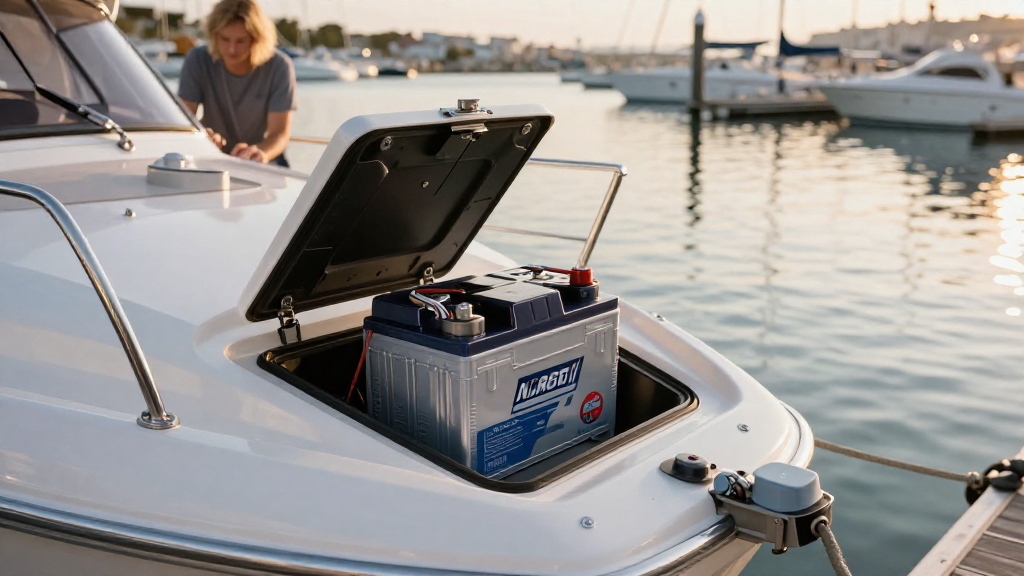
When it comes to how to choose a marine battery, making the right decision is crucial for your boat’s performance and longevity.
What Should I Consider When Choosing a Marine Battery?
Choosing the right marine battery is not just about selecting one that fits your boat. There are several factors to consider:
-
Type of Battery
Marine batteries typically fall into two categories:
– Starting Batteries: Designed to provide a quick burst of energy to start the engine.
– Deep-Cycle Batteries: Built to be discharged and recharged multiple times, ideal for running accessories. -
Battery Size and Group Size
Ensure the battery size fits your boat’s battery compartment. Refer to the group size that matches your existing setup. Common group sizes include 24, 27, and 31. -
Power Needs
Calculate the total power consumption of your boat’s electrical devices. This includes lights, radios, fish finders, and more.
Check the:
– Ampere-hour (Ah) rating: Indicates how long the battery can sustain a load.
-
Weight Considerations
Heavier batteries may provide more power but can affect your boat’s performance. Consider a balance between weight and power needs. -
Battery Lifespan
Look for batteries with a longer lifespan based on their recharge cycles and warranty. -
Maintenance Level
Batteries require different levels of maintenance. Choose between:
– Flooded Lead-Acid Batteries: Traditional, requiring regular maintenance.
– Absorbent Glass Mat (AGM) Batteries: Sealed and maintenance-free, ideal for busy boaters.
What Types of Marine Batteries Are Available?
Understanding the various types of marine batteries is vital when deciding how to choose a marine battery. Here are some options to consider:
-
Lead-Acid Batteries
– Flooded Lead-Acid: Economical and robust but needs regular maintenance.
– AGM: Higher upfront cost but longer lifespan and low maintenance. -
Lithium-Ion Batteries
– Lightweight and compact, they have a longer lifespan than lead-acid batteries.
– Usually more expensive but can provide significant savings on weight and longer runtimes. -
Gel Batteries
– Similar to AGM but with a different electrolyte, they are spill-proof and can be mounted in any position.
– Good for irregular usage patterns but may not handle extreme temperatures well. -
Hybrid Batteries
– Combining features of different batteries can optimize performance according to specific needs.
– Ideal if your boat has varying power requirements.
How Do I Determine the Right Battery Capacity?
When considering how to choose a marine battery, determining correct capacity is essential.
-
Identify Electrical Draw
Calculate how many hours you plan to use various devices in a day. Add the wattage and convert it to amp-hours. -
Use the Formula
[ \text{Battery Capacity (Ah)} = \text{Total amps draw per hour} \times \text{hours used} ] -
Factor in Safety Margin
Always consider a safety margin, typically adding 20% more capacity to ensure reliability.
Should I Consider the Brand?
Yes, brand reputation matters significantly when you learn how to choose a marine battery. Here are notable brands in the marine battery industry:
- Trojan: Renowned for reliability and durability in deep-cycle batteries.
- Optima: Known for high-performance starting and deep-cycle batteries, perfect for demanding applications.
- Exide: Offers a wide range of batteries with innovative technologies.
- Interstate: Provides robust, long-lasting batteries with excellent warranties.
Look for brands with strong customer feedback and warranties to ensure you’re making a wise investment.
Where Should I Purchase My Battery?
When deciding how to choose a marine battery, your purchasing options can include:
- Local Marine Supply Stores: Offer specialized knowledge and often have a good selection.
- Big Box Retailers: May provide cheaper options and warranties, but staff knowledge may vary.
- Online Retailers: Convenient and can offer competitive pricing and customer reviews to help you decide.
Before purchasing, check the battery’s date code to ensure it has not been sitting on the shelf for too long.
How Can I Maintain My Marine Battery?
Once you’ve chosen your perfect battery, proper maintenance is crucial for longevity. Here are some tips:
-
Regular Inspections
Check for corrosion on terminals and clean them as needed. -
Storage
Store batteries in a cool, dry place when not in use. Avoid exposing them to extreme temperatures. -
Keep Charged
Ensure the batteries remain charged, especially during off-seasons. Use a smart charger to monitor the charge status. -
Water Levels
For flooded batteries, check and top up with distilled water to ensure proper operation. -
Equalization Charges
Occasionally perform an equalization charge to balance the voltages of the battery cells. -
Monitor Usage
If using a deep-cycle battery, avoid discharging it more than 50% to extend its life.
Conclusion: What Next Steps Should I Take?
Now that you know how to choose a marine battery, follow these steps to make your purchase:
- Assess your boat’s electrical needs.
- Research different types of batteries and choose based on your usage and maintenance preferences.
- Compare brands and shop around for the best prices.
- Purchase and install the new battery, ensuring it’s well-maintained for longevity.
Equipped with this knowledge, you’re ready to confidently choose the right marine battery for your boat, ensuring a smooth and reliable boating experience. Happy sailing!