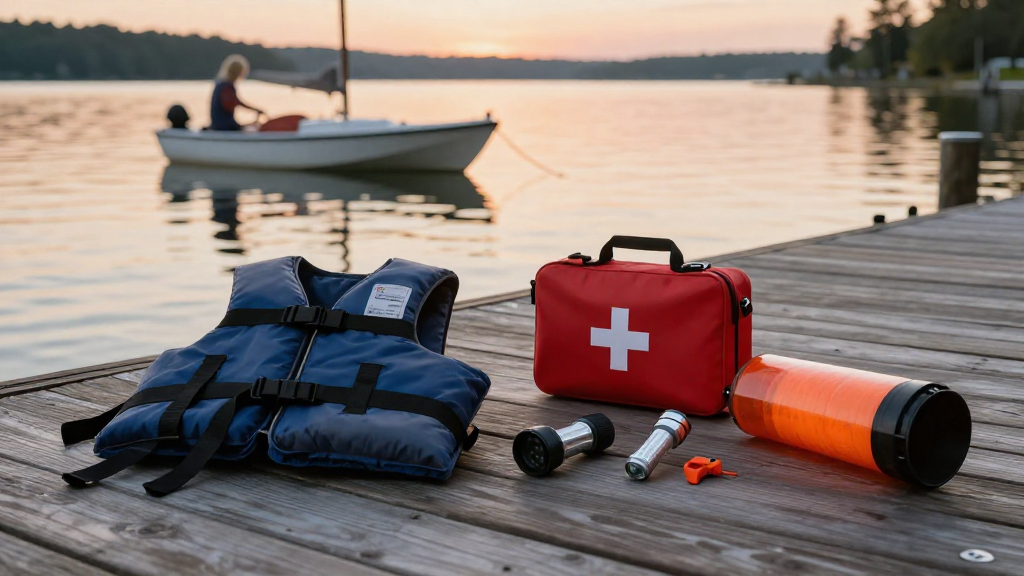
When it comes to enjoying time on the water, knowing how to prepare a boat safety kit is essential for a safe and enjoyable outing.
In this article, we’ll guide you through the necessary steps to create a comprehensive boat safety kit that caters to unexpected situations and ensures that you and your passengers remain safe.
Why Is a Boat Safety Kit Necessary?
A boat safety kit is not just a suggestion; it’s a necessity for any boater.
In emergencies, having essential supplies can mean the difference between a minor inconvenience and a life-threatening situation.
Whether you’re an experienced sailor or a novice weekend boater, understanding how to prepare a boat safety kit ensures that you’re ready for anything.
What Should Be Included in a Boat Safety Kit?
Creating an effective boat safety kit involves gathering a variety of items. Below are the essentials you should include:
1. Personal Flotation Devices (PFDs)
Every person on board should have access to a properly fitted PFD.
Make sure to:
- Choose Coast Guard-approved life jackets.
- Check for wear and tear before each boating trip.
- Ensure that PFDs are appropriate for the ages and sizes of everyone on board.
2. Fire Extinguisher
A fire can spread quickly on a boat.
Having a fire extinguisher readily available is crucial.
Be sure to:
- Check the expiration date.
- Familiarize yourself with how to operate the extinguisher.
3. First Aid Kit
Accidents can happen, and a complete first aid kit is vital.
Your kit should include:
- Adhesive bandages of various sizes
- Sterile gauze pads and tape
- Antiseptic wipes or spray
- Pain relievers like aspirin or ibuprofen
- Burn cream and ointments
4. Signal Devices
In case of an emergency, it’s important to have signaling devices that can alert others.
Include these items:
- Flares and signal mirrors
- Whistles
- A personal locator beacon (PLB)
5. Emergency Toolkit
Sometimes, minor mechanical issues arise.
Keeping a toolkit can help you address these problems on the water.
Essentials include:
- Screwdrivers
- Pliers
- Wrenches
- Duct tape and oil
6. Navigation and Communication Equipment
Being able to communicate and navigate is crucial for safety on water.
- VHF Radio: A marine VHF radio will allow you to communicate with other boats and emergency services.
- Compass and Maps: Always have a physical compass and updated nautical charts on board.
7. Water and Non-perishable Food
Dehydration and hunger can quickly impair your judgment and energy levels.
- Pack enough water for everyone on board — generally one gallon per person, per day.
- Non-perishable snacks, like trail mix, energy bars, or canned food is also essential.
8. Sun Protection
Long periods on the water expose you to harmful UV rays.
Your boat safety kit should have:
- Sunscreen (SPF 30 or higher)
- Sunglasses with UV protection
- Lip balm with SPF
9. Environmental Protection Gear
Keeping the environment safe is equally important.
Your kit should contain:
- Trash bags for litter collection
- A bucket for bilge water
How Often Should You Check Your Boat Safety Kit?
It’s vital to regularly check the contents of your boat safety kit.
Perform these checks:
- Monthly: Inspect items to ensure they are in usable condition.
- Before Every Trip: Make sure all essential items are on board and ready for use.
Where Should You Store Your Boat Safety Kit?
The location of your boat safety kit is just as important as the items included.
Best practices include:
- Accessibility: Store your kit in a dry, easily accessible compartment.
- Labeling: Clearly label the storage area to ensure quick access in emergencies.
How to Educate Your Crew about the Boat Safety Kit
Knowledge is power, especially when it comes to safety on the water.
1. Conduct Regular Safety Briefings
Before you head out on your boat, hold briefings to discuss the safety equipment.
- Explain the purpose and use of each item.
- Make sure everyone knows where the safety kit is located.
2. Drill Emergency Scenarios
Practicing can prepare your crew for real emergency situations.
- Conduct drills on how to use the fire extinguisher.
- Run through hypothetical scenarios where signaling devices are needed.
3. Encourage Questioning
Create an environment where crew members feel comfortable asking about the safety kit.
- Encourage questions during briefings.
- Make sure everyone feels confident about their roles in emergencies.
Conclusion: Safety First When Boating
Knowing how to prepare a boat safety kit is crucial for a trouble-free time on the water.
By equipping your boat with the right safety gear and educating your crew, you ensure a safer experience for everyone on board.
Prepare ahead of time, familiarize yourself with your safety items, and remember to check your boat safety kit regularly—because safety on the water should always come first!
Stay safe and enjoy your boating adventures!