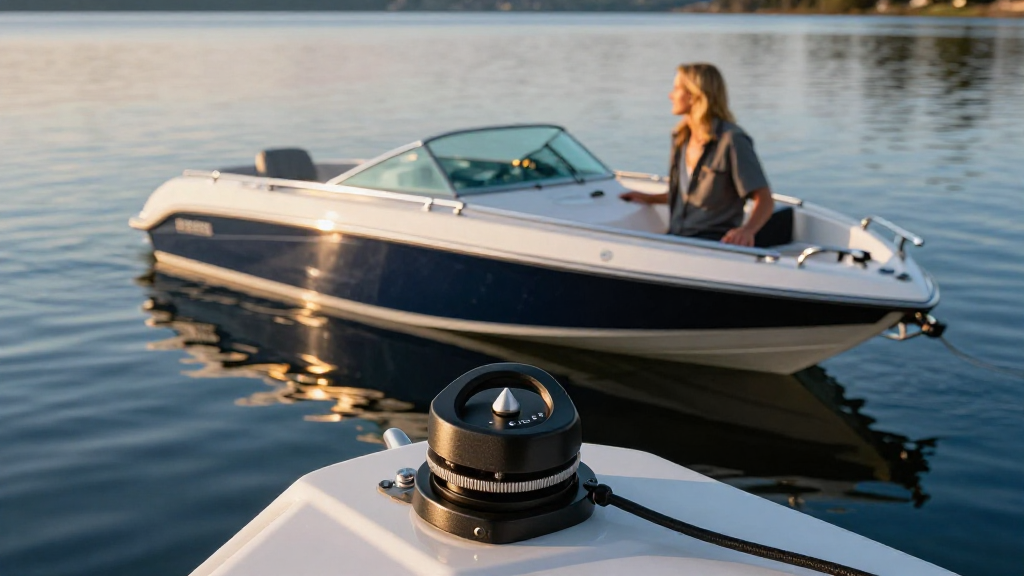
When you own a boat, safety should be your top priority.
One essential safety feature that every boater should understand is how to use a kill switch on a boat.
What Is a Kill Switch?
A kill switch, often referred to as an anchor alarm or safety lanyard, is a critical safety device that helps prevent accidents while operating a boat.
Here’s how it works:
– The kill switch is a tethered device that connects the boat operator to the engine’s ignition.
– When the operator is thrown from the boat or becomes incapacitated, the kill switch is disengaged, cutting power to the engine.
This mechanism can prevent the boat from becoming a runaway vessel, ensuring the safety of everyone on board and nearby.
How to Use a Kill Switch on a Boat?
Understanding how to use a kill switch on a boat properly can save lives.
Here are the steps to follow:
-
Locate the Kill Switch
– Typically found on the boat near the steering wheel or throttle controls.
– Familiarize yourself with its location before setting out. -
Attach the Lanyard
– The kill switch usually comes with a lanyard.
– Attach the lanyard to a secure location on your body, like a life jacket or your wrist.
– This ensures that if you fall overboard or become incapacitated, the lanyard disconnects automatically. -
Start the Engine
– With the lanyard securely attached, turn the key or push the start button to start the engine.
– Ensure the kill switch is engaged while the engine is running. -
Monitor While Operating
– Always keep the lanyard attached while the boat is in motion.
– If you leave the helm and are not in control, make sure to cut the engine using the kill switch.
Why Is a Kill Switch Important?
Using a kill switch may seem like an extra step, but its importance cannot be overstated. Here are several reasons why understanding how to use a kill switch on a boat is crucial:
-
Prevents Runaway Boats
– A kill switch can prevent your boat from becoming a runaway if the operator falls overboard or collapses. -
Protects Passengers and Crew
– Safety should never be compromised.
– A kill switch can help control the boat’s trajectory, minimizing the risk of injury to others. -
Maintains Control
– In emergencies, keeping control of the boat is key.
– The kill switch offers a straightforward method to quickly disable the engine. -
Legal Requirements
– In many jurisdictions, using a kill switch is not just a safety recommendation—it’s a legal requirement.
– Familiarize yourself with local boating laws to ensure compliance.
What Are the Different Types of Kill Switches?
There are several types of kill switches, and knowing the differences can help you choose the right one for your boat:
-
Lanyard Kill Switch:
The most common type, this device functions by connecting the operator to the engine. -
Remote Kill Switch:
Allows for disconnection from a distance, offering enhanced convenience and safety. -
Automatic Kill Switch:
Activates without the need for manual operation. Useful for larger vessels with multiple crew members.
Can You Use a Kill Switch on Any Boat?
While the majority of boats are compatible with kill switches, not all vessels require them.
To determine if a kill switch is essential for your boat:
-
Consult Manufacturer Guidelines:
Always check the owner’s manual or manufacturer’s recommendations on safety equipment. -
Evaluate Boat Size:
Larger vessels may have specific safety requirements that necessitate a kill switch. -
Consider Local Regulations:
If you’re unsure whether a kill switch is required for your boat type, check with your local boating authority.
What Common Mistakes Should Be Avoided?
Even experienced boaters can overlook important aspects of how to use a kill switch on a boat. Here are common mistakes to avoid:
-
Failing to Attach the Lanyard:
– Make it a habit to secure the lanyard every time you start the engine. -
Not Testing the Switch:
– Regularly check that the kill switch functions properly before heading out. -
Ignoring Local Laws:
– Always stay informed about the regulations in your area. -
Forget to Reattach After Stopping:
– If you leave the helm temporarily, be sure to reattach the lanyard before resuming operation.
Conclusion: How to Use a Kill Switch on a Boat
Understanding how to use a kill switch on a boat is an essential part of safe boating practices.
By taking the time to familiarize yourself with this safety device, you are taking proactive steps toward ensuring a safer boating experience for everyone on board.
The next time you set sail:
– Remember to check your kill switch.
– Secure your lanyard.
– And, most importantly, prioritize safety.
Being responsible on the water is a duty shared by all boaters.
Make the effort to educate yourself and those you share the boat with on the importance of using a kill switch.
Your actions can help prevent accidents, save lives, and make the waters safer for all.