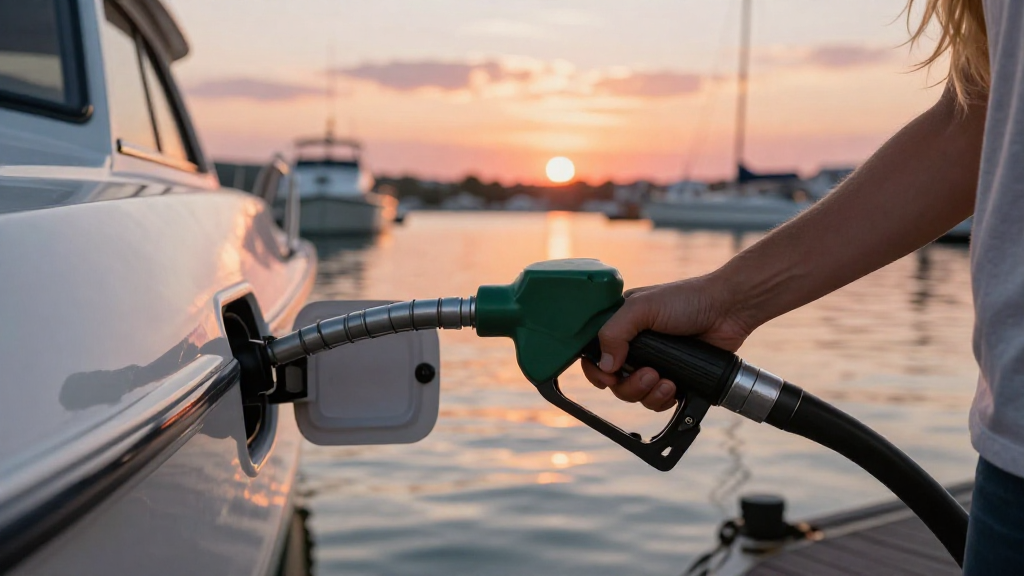
Fueling a boat is an essential part of boating, but it can also be a tricky task.
Knowing how to fuel a boat properly is crucial to ensure safety and to prevent spills that can be harmful to the environment.
This guide will walk you through the necessary steps and precautions to take when fueling your boat.
What Should You Know Before Fueling?
Before you even think about fueling up, there are some important things you should consider:
-
Location: Always fuel your boat at a designated fueling dock. Avoid doing this near sensitive habitats or large gatherings of boats.
-
Equipment Check:
– Ensure all equipment is functioning properly.
– Check for leaks in fuel lines or tanks. -
Weather Conditions:
– Avoid fueling in high winds or rough seas that can lead to spills.
– Fuel while the engine is off to minimize risks. -
Fuel Type: Know the type of fuel your boat requires—whether it be gasoline, diesel, or an alternative fuel.
How to Fuel a Boat Safely?
Now that you have the basics down, let’s dive into how to fuel a boat without making a mess:
What Are the Steps to Follow?
- Prepare Your Boat
Move your boat to the fueling dock and ensure that it is secured properly.
- Turn off the engine and all electronic devices.
- Open any hatches to allow air circulation.
- Gather Necessary Tools
Having the right tools will make the fueling process easier and safer.
- Fueling nozzle with an automatic shut-off feature.
- Fuel absorbent pads for quick spill cleanup.
- Safety goggles and gloves for personal protection.
- Attach the Fuel Nozzle Properly
Carefully insert the nozzle into your boat’s fuel tank.
- Tilt it slightly to prevent any air lock.
- Ensure that it fits snugly to avoid any chance of spillage.
- Refuel at Appropriate Speed
Begin fueling slowly to control the flow of fuel into your tank.
- Monitor the tank gauge closely.
- Stay alert and be ready to stop if you see any signs of overflow.
- Watch for Bubbles
Fueling too quickly can cause bubbles in the tank.
- If you see bubbles, reduce the speed of flow.
- Stop fueling when the fuel reaches the bottom of the fill neck.
- Remove the Nozzle Carefully
When finished, slowly withdraw the nozzle to minimize the risk of drips.
- Allow any residual fuel in the nozzle to drain back into your tank before removing it completely.
- Use a paper towel to clean the spout before putting it away.
How Can You Prevent Fuel Spills?
Preventing spills is critical not just for compliance with environmental regulations but for the safety of everyone on board.
Here are some practical tips:
-
Use Spill Containment Equipment: Always keep absorbent materials on hand, and consider fueling mats designed to capture spills.
-
Utilize Fuel Management Systems: New technology can alert you when the tank is almost full.
-
Educate Your Crew: Make sure everyone involved with the fueling understands the procedure and knows what to do in case of a spill.
-
Regular Maintenance Checks: Ensure hoses and connections are intact and replace any damaged equipment.
What Should You Do if a Spill Occurs?
Despite your best efforts, spills can happen. Here’s what to do:
-
Stop Fueling Immediately
Immediately cease the fueling operation to minimize the spill. -
Assess the Situation
Evaluate the size and type of the spill to determine the best course of action. -
Notify Authorities
In case of significant spills, contact local environmental authorities. -
Use Absorbent Materials
Quickly apply spill absorbent pads to contain the overflow. -
Document the Incident
Keep a record of the amount spilled and actions taken as this can be important for insurance and legal reasons.
What Are the Legal Considerations?
Understanding the laws related to fueling can save you from potential legal troubles.
-
Local Regulations
Familiarize yourself with local environmental protection laws. Many jurisdictions have strict regulations concerning fuel spills and cleanup. -
Permit Requirements
Some areas might require a permit for refueling near sensitive environments. -
Reporting Obligations
Know what spills need to be reported and who to contact.
How to Maintain Your Boat’s Fuel System?
Proper maintenance can prevent fuel spills caused by equipment failure. Here are key maintenance tips:
-
Inspect Fuel Lines Regularly
Look for cracks or wear that may indicate a leak. -
Check the Fuel Tank
Ensure it is in good condition and free from rust or corrosion. -
Clean Fuel Filters
Follow manufacturer guidelines for cleaning and replacing filters to keep the fuel system running smoothly. -
Conduct Routine Fuel Quality Tests
Test fuel for contaminants like water, which can lead to engine problems and fuel spills.
Conclusion
Knowing how to fuel a boat safely is essential for any boater.
Following the right precautions can mitigate risks, protect the environment, and help avoid costly spills and accidents.
For the safety of your boat, crew, and the waterway, always remember the steps outlined here when refueling your vessel.
Happy boating!