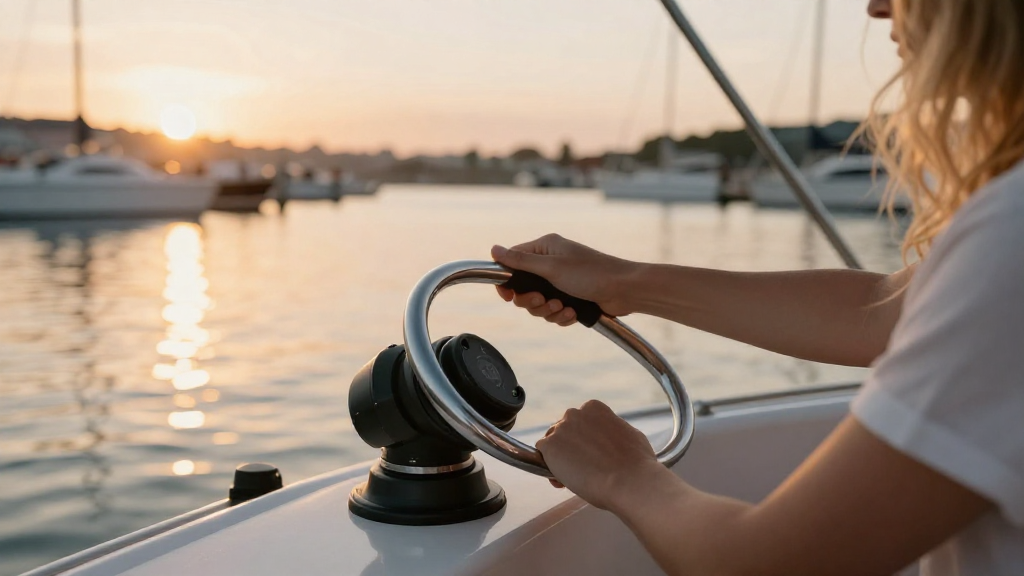
Understanding how to use a boat throttle is essential for both novice and experienced boaters.
Using the throttle properly enhances your boating experience while ensuring safety and control on the water. This comprehensive guide will cover everything you need to know about boat throttle operation, tips for safe maneuvering, and common mistakes to avoid.
What is a Boat Throttle?
A boat throttle is a control mechanism that regulates the engine’s power output by managing fuel and air intake.
By adjusting the throttle, you can control your boat’s speed and acceleration. The throttle can be located on the helm or as part of a remote control system, depending on the boat’s design.
Types of throttle systems:
- Mechanical Throttles: Directly connect to the engine’s components.
- Electronic Throttles: Utilize electronic signals to control the engine.
Understanding the type of system your boat uses is crucial when learning how to use a boat throttle effectively.
How Do You Use a Boat Throttle?
To operate the throttle correctly, follow these fundamental steps:
- Familiarize Yourself With the Controls:
Before starting your boat, get accustomed to the throttle and other controls on the helm.
- Know where the throttle handle is located.
- Understand the markings and indicators on the throttle control.
- Start the Engine:
Once you’re ready, start the engine using the appropriate steps according to the manufacturer’s instructions.
- Ensure the boat is in neutral before starting.
- Look for any engine warning lights or alerts.
- Engage the Throttle:
Slowly push the throttle forward to increase speed.
- Avoid sudden movements to prevent jerky motions.
- Gradually increase throttle to gain better control and ensure a smooth start.
- Steady the Speed:
Once you reach your desired speed, adjust the throttle to maintain that speed.
- Use minor adjustments rather than large ones for precise control.
- Keep an eye on the engine’s RPM to avoid over-revving.
- Stopping the Boat:
To decrease speed, slowly pull the throttle back.
- Allow the boat to coast to a stop if possible.
- Engage the reverse throttle if you need to back away from any obstacles.
By keeping these steps in mind, you will improve your understanding of how to use a boat throttle effectively.
What Are Common Mistakes to Avoid?
While many boaters may understand the basics, it’s essential to avoid common mistakes that can compromise your safety and your boat’s performance.
- Over-Throttling:
Sudden acceleration can lead to loss of control.
- Always increase throttle gradually.
- Be mindful of sudden waves or wake that could cause strain.
- Forgetting to Shift to Neutral:
Leaving the throttle in gear while starting the engine can be dangerous.
- Always ensure the engine is in neutral when starting.
- Engage the brakes if your boat has them.
- Ignoring RPM Limits:
Each engine has a recommended RPM limit.
- Consult your owner’s manual for guidance.
- Over-revving can damage the engine.
- Neglecting the Weather Conditions:
High winds and strong waves can affect how your boat handles.
- Adjust throttle based on environmental conditions.
- Practice throttle control in various conditions for better proficiency.
By avoiding these mistakes, you can ensure a smoother and safer experience on the water while learning how to use a boat throttle correctly.
Why is Throttle Control Important?
Throttle control is fundamental to safe boating operations.
Here’s why:
-
Maneuverability: Proper throttle use allows for better steering and navigation.
-
Safety: Efficient control can prevent accidents related to sudden acceleration or deceleration.
-
Fuel Efficiency: Understanding how to maintain steady speeds leads to better fuel management.
Developing a solid grasp on how to use a boat throttle effectively promotes not only your safety but also the well-being of your passengers and fellow boaters.
How Can You Enhance Your Throttle Skills?
To become proficient in using your boat’s throttle, consider the following tips:
-
Practice on Calm Waters:
Start practicing at a quiet lake or a calm bay to familiarize yourself with throttle control without external pressures. -
Take a Boating Course:
Many local areas offer boating safety courses that cover throttle operation in-depth.
- Look for courses that provide hands-on experience.
-
Get Feedback From Experienced Boaters:
Spend time with seasoned boaters who can give you valuable tips and insights on throttle handling and boat control. -
Conduct Regular Maintenance:
Regularly check your throttle system for signs of wear or malfunction.
- Ensure that the throttle responds smoothly and promptly.
- Maintenance can prevent unexpected behavior while out on the water.
What Equipment Works Well With a Boat Throttle?
Understanding how a throttle interacts with other equipment is vital for overall boat control.
-
Steering System: The throttle works hand-in-hand with the steering wheel to ensure proper direction.
-
Trim Tabs: Adjusting trim can affect how the boat rides through water; you may need to adjust throttle as you trim.
-
Instrumentation: Keep an eye on RPM gauges and other instruments that provide feedback on your throttle settings.
Having a good grasp of these complementary systems will further improve your understanding of how to use a boat throttle properly.
Conclusion
In summary, learning how to use a boat throttle correctly is an invaluable skill for any boater.
From understanding the throttle system to avoiding common pitfalls, these best practices and tips will prepare you for a safe and enjoyable boating experience.
Always prioritize safety and practice regularly to refine your skills.
Happy boating!