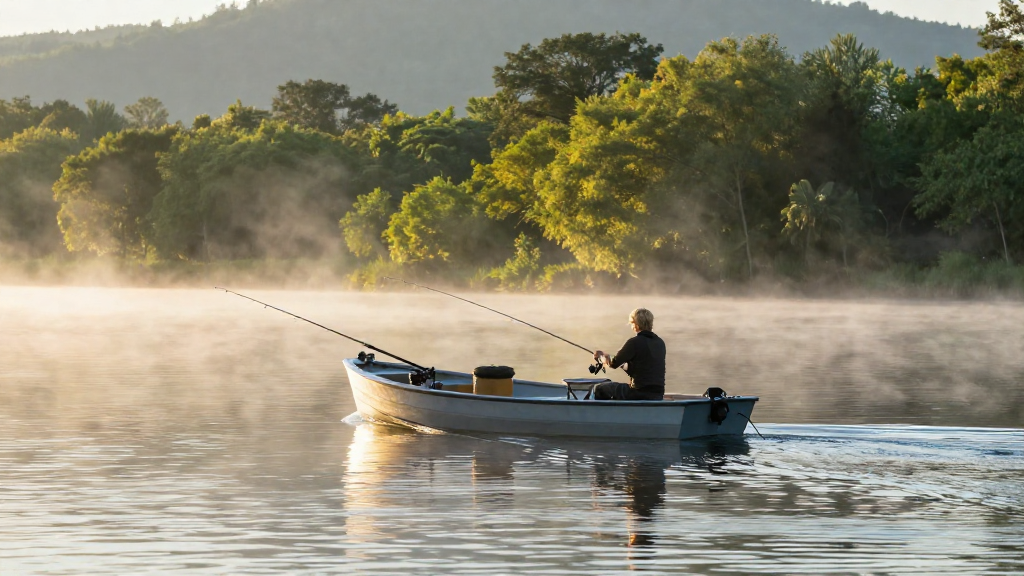
Drifting from a boat can be one of the most rewarding ways to fish in open water.
Learning how to drift fish from a boat effectively enhances your chances of catching a variety of fish species while enjoying the serenity of nature. This guide will provide you with insights, tips, and techniques to help you succeed in your drifting fishing adventures.
What is Drifting in Fishing?
Drifting is a fishing technique where a boat is allowed to drift with the wind or current while anglers cast their lines.
This method lets your bait and tackle move naturally through the water, mimicking the movement of prey and attracting fish more effectively.
Why Choose to Drift Fish?
Drifting offers numerous advantages for anglers of all skill levels:
- Natural Presentation: The slow, natural movement of your bait is more enticing to fish.
- Wide Coverage: You can cover larger areas of water, increasing your chance of finding fish.
- Adaptability: Works well in various water conditions, whether in freshwater lakes or saltwater oceans.
- Relaxation: The rhythm of drifting allows anglers to enjoy the scenery and the peaceful environment.
How to Drift Fish from a Boat: The Essential Gear
For effective drifting, you need the right gear. Here’s a list of essentials:
-
Fishing Rod and Reel: Choose a medium to medium-heavy rod equipped with a smooth spinning reel.
-
Line: Use 10-20 lb monofilament or braided line for versatility and strength.
-
Terminal Tackle:
- Hooks
- Weights
-
Swivels
-
Bait: Live bait (like minnows or worms) and artificial lures (like jigs or soft plastics) work well.
-
Fish Finder: Optional, but beneficial for locating underwater structures and schools of fish.
-
Anchor: While not required for drifting, having a lightweight, portable anchor can help you stabilize your position when desired.
How Do You Set Up to Drift Fish?
Setting up properly is crucial for successful fishing. Here’s how to get started:
-
Choose Your Location: Find a productive fishing spot. Look for areas with underwater structures, such as ledges, drop-offs, or current seams.
-
Check the Weather and Current: Assess wind and current strength and direction. These factors will determine how you position your boat.
-
Position Your Boat:
– Head Into the Wind: Aim the bow of the boat into the wind or current.
– Cruise into Position: As you drift back, switch off the engine and allow the current to take you. -
Prepare Your Rods:
– Use a slip bobber for live bait, allowing it to float at various depths.
– Attach weights based on water depth and current strength.
What Techniques Should You Use While Drifting?
Master a few techniques to maximize your success when learning how to drift fish from a boat:
1. Casting Ahead
Cast your line ahead of the boat’s drift.
This allows your bait to sink and drift naturally in front of where fish may be. Adjust the length of the line based on the depth you’re targeting.
2. Use a Drift Sock
A drift sock, or sea anchor, slows your boat’s drift.
This gives you more time to fish a certain area.
To use one:
- Attach it to the bow of the boat.
- Open the sock when you want to slow down.
3. Vary Your Depth
Fish often swim at different depths depending on factors like the time of day or water temperature.
If you’re not getting bites, try adjusting your bait depth.
4. Watch for Fish Activity
Observe whether fish are jumping or birds are diving into the water.
Both are indicators that you are in a productive zone.
Adjust your position accordingly.
5. Change Locations Regularly
If you’re not getting bites within 30-45 minutes, consider moving to a new spot.
Experimentation is a critical part of successful fishing.
How Do You Land Fish After Hooking Them?
Successfully landing a fish after hooking it requires a few key techniques:
-
Stay Calm: Do not panic if the fish pulls hard; maintain steady pressure on the line.
-
Use Your Rod: Keep your rod tip up to reduce tension on the line and prevent breakage.
-
Reel in Gradually: Reel in while lowering the rod down to maintain tension.
-
Try to Lead It In: Guide the fish toward the boat, but be ready for sudden runs.
-
Use a Net: When the fish is close to the boat, use a landing net to scoop it up.
What Safety Tips Should You Consider?
Fishing is fun, but safety should always come first:
- Wear a PFD (Personal Flotation Device): Ensure you and your companions wear life jackets.
- Check Weather Conditions: Always check the weather before heading out.
- Keep Emergency Supplies: Have a first-aid kit, extra food and water, and a communication device.
- Know Your Boat: Familiarize yourself with safety equipment, anchoring systems, and navigation rules.
Final Thoughts on How to Drift Fish from a Boat
Knowing how to drift fish from a boat can transform your fishing experience from simple to spectacular.
By equipping the right tools, utilizing effective techniques, and prioritizing safety, you’re setting yourself up for successful outings on the water.
So grab your gear, head out, and enjoy the thrill of drifting! Remember, every fishing trip is an opportunity to learn and improve.
Happy fishing!