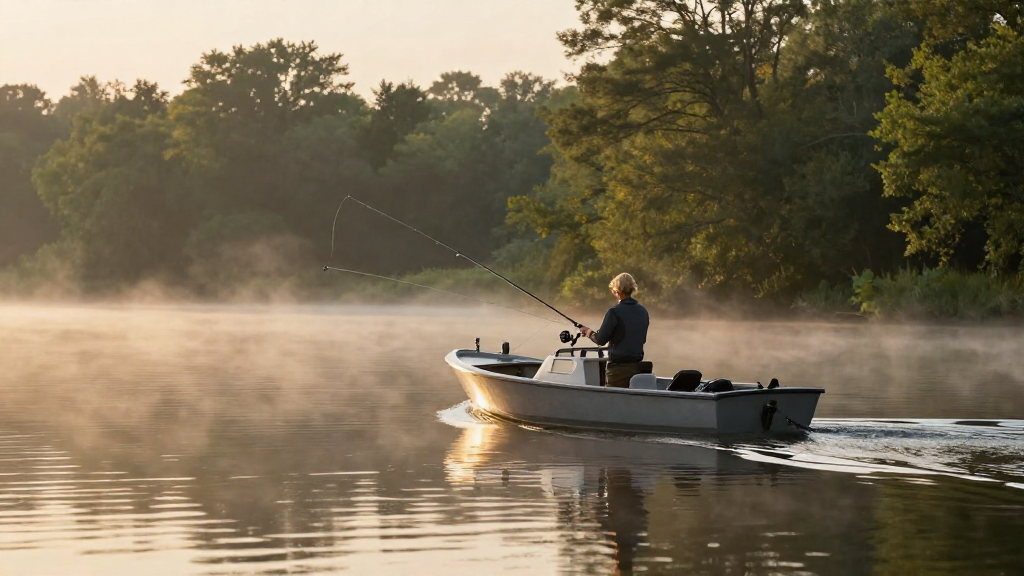
Trolling fish from a boat is an exhilarating way to enjoy fishing while increasing your chances of catching more fish.
Whether you’re a seasoned angler or a novice, this guide will help you understand how to troll fish from a boat effectively for better results.
What is Trolling?
Trolling is a method of fishing where one or more fishing lines, baited with lures or bait fish, are drawn through the water behind a moving boat.
This technique is effective for various species of fish, including:
- Bass
- Salmon
- Trout
- Mahi-Mahi
- Tuna
To successfully troll, the key is to maintain the right speed and depth as you navigate.
How to Choose the Right Boat for Trolling?
Choosing the right boat is crucial when you want to learn how to troll fish from a boat.
Here are some popular options:
- Center Console Boats: Offers ample space for gear and easy maneuvering.
- Fishing Kayaks: Ideal for lakes and rivers, providing a unique and intimate fishing experience.
- Deck Boats: Great for family outings, these boats can accommodate fishing gear and multiple anglers.
Consider the following factors:
- Size: Larger boats are more stable but less maneuverable in tight spots.
- Engine Power: Ensure you have enough power for the type of water you’ll be trolling in.
- Storage: Look for boats that offer sufficient storage for equipment.
What Equipment Do You Need?
To effectively troll fish from a boat, you’ll need specific equipment.
Here’s a list of essentials:
- Fishing Rods and Reels: Choose reels with a smooth drag system.
- Fishing Line: Opt for a high-strength monofilament or braided line for better performance.
- Lures/Baits: Select lures that mimic the natural prey of the fish you’re after.
- Downriggers: Helps to control the depth of your bait in the water.
- GPS and Sonar: Knowing where fish are located is half the battle.
Tip: Always pack extra gear, such as leaders and terminal tackle, to facilitate quick repairs or replacements.
How to Set Up Your Tackle for Trolling?
Setting up your tackle correctly can significantly impact your success.
Here’s a step-by-step guide:
-
Attach the Lure: Start by tying a suitable lure to the end of your fishing line.
-
Add a Leader Line: Use a leader line if targeting larger fish or in areas with heavy cover.
-
Set Up the Downrigger: If you’re using downriggers, set them to the desired depth to target specific species.
-
Ensure Drag Is Properly Set: This prevents the line from snapping if a fish bites hard.
-
Test Your Setup: Before heading out, test your setup in calm waters to ensure everything is working correctly.
What is the Best Speed for Trolling?
One of the most common questions is about the ideal speed for trolling.
The speed can vary based on the species you’re targeting:
- For Trout: 1.5 to 2.5 mph
- For Bass: 2.0 to 4.0 mph
- For Walleye: 1.0 to 2.5 mph
- For Mahi-Mahi: 5.0 to 10.0 mph
Tip: Experiment with different speeds to determine what works best on a given day. Slowing down or speeding up can often make a significant difference.
How to Find the Best Locations for Trolling?
Selecting a great location is vital when learning how to troll fish from a boat.
Here are some tips for finding the best spots:
- Research Local Hotspots: Look for online forums, local fishing reports, and maps to identify popular areas.
- Observe Other Boats: When on the water, see where other boats are fishing, as this may indicate a productive area.
- Use Technology: Utilize your sonar to spot underwater structures, bait schools, and depth changes.
What Time of Day is Best for Trolling?
Timing can make all the difference in your fishing success.
Generally, the best times to troll are:
- Early Morning: Fish are often more active near dawn.
- Late Afternoon and Dusk: Another peak feeding time.
- Overcast Days: Ideal for enticing fish that might be hiding on bright sunny days.
Remember that seasons also play a role; fish behavior can change as the water temperature fluctuates.
How to Stay Patient While Trolling?
Patience is key in fishing, especially when learning how to troll fish from a boat.
Here are some tips to help maintain your patience:
- Stay Focused: Keep your attention on the water and your lines.
- Monitor Your Equipment: Regularly check your gear and be prepared to adjust if needed.
- Switch Up Techniques: If you aren’t getting bites, consider changing your lure or speed.
How to Handle Fish Once Caught?
Once you’ve successfully caught a fish, proper handling is essential.
Here’s what to do:
-
Use a Landing Net: This helps you secure the fish without hurting it.
-
Keep It in Water: If you plan to release it, keep the fish in the water as much as possible until you’re ready.
-
Minimize Air Exposure: If you’re keeping the fish, quickly remove the hook and place it in a cooler.
-
Use Fish Grippers: These tools help you handle the fish without injuring it.
-
Handle with Care: If releasing, wet your hands before touching the fish to protect its slime coating.
How to Clean Up After Trolling?
After a successful day on the water, cleaning up is important.
Follow these steps:
- Wash Your Gear: Rinse rods, reels, and tackle boxes with fresh water.
- Stow Everything: Ensure all gear is securely stored to avoid damage during transport.
- Remove Trash: Dispose of any debris or waste properly.
- Organize for Next Time: Sort your tackle and replenish supplies as needed.
With these tips and strategies in hand, you’re now equipped with the knowledge on how to troll fish from a boat for better results.
Plan your next fishing adventure, get your gear ready, and have an enjoyable time out on the water!