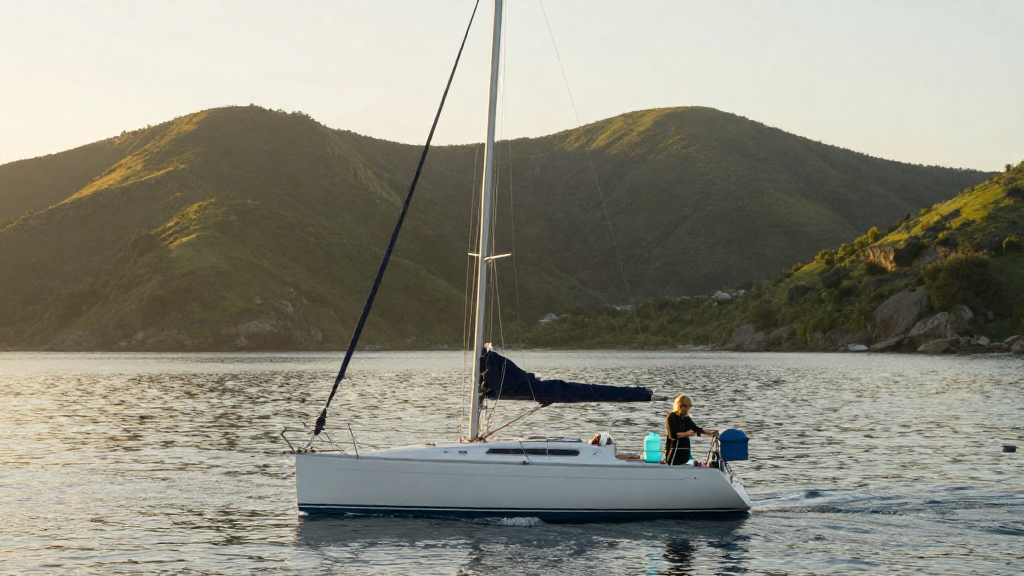
Are you wondering how to reduce plastic use on a boat?
In today’s world, environmental sustainability is a hot topic, and recreational boating is no exception.
Plastic pollution in oceans and waterways has reached alarming levels.
As boaters, we can take proactive steps to minimize our plastic footprint.
In this article, we will explore practical tips on how to significantly reduce plastic use while enjoying all that boating has to offer.
Why Is Reducing Plastic Important for Boaters?
Plastic waste can be detrimental to marine life.
Here are some staggering statistics to consider:
- Over 8 million tons of plastic enter oceans every year.
- Sea turtles often ingest plastic, mistaking it for food.
- Microplastics have been found in fish, which can enter the human food chain.
Understanding the impact of plastic on marine ecosystems is vital in motivating us to change our behaviors.
By reducing plastic use on your boat, you’re not just preserving the beauty of nature; you’re actively participating in a global movement towards sustainability.
What Are the Alternatives to Plastic on a Boat?
When considering how to reduce plastic use on a boat, it’s essential to explore viable alternatives.
Here are some options:
- Stainless Steel Water Bottles: Instead of single-use plastic bottles, opt for durable stainless steel bottles.
-
They keep drinks insulated, reducing the need for ice, and are long-lasting.
-
Biodegradable Plates and Utensils: For meals onboard, choose biodegradable or compostable options rather than standard plastic.
-
Look for products made from materials like bamboo or corn starch.
-
Reusable Storage Containers: Invest in high-quality reusable containers with airtight seals.
-
They can hold snacks, meals, and other items without the need for plastic wrap or bags.
-
Cloth Napkins and Towels: Replace paper towels with cloth alternatives.
-
They are washable and can be used repeatedly, reducing waste.
-
Natural Cleaning Products: Many traditional cleaning products come in plastic packaging and contain harmful chemicals.
- Look for eco-friendly brands that offer refillable options or come in glass containers.
By opting for eco-friendly alternatives, you can significantly cut down on plastic consumption onboard while still enjoying the conveniences of boating.
How Can You Implement Eco-Friendly Practices Onboard?
Making sustainable choices doesn’t have to be complicated.
Here are some simple practices to follow:
- Pack Smart:
- Before heading out, think about what you’ll need for the day.
- Create a list to avoid unnecessary packaging.
-
Focus on bulk purchases and refillable items.
-
Organize Your Gear:
- Arrange onboard supplies in bins or boxes to limit the need for single-use storage.
-
Label everything to minimize mishaps.
-
Utilize Composting Options:
- If your boat has space, set up a small composting system for organic waste.
-
This can greatly reduce the amount of trash generated while enhancing your connection with nature.
-
Educate Your Crew:
- Invite everyone onboard to participate in sustainable practices.
-
Share information about the impact of plastic waste and encourage biodegradable practices.
-
Dispose Responsibly:
- Always use designated waste disposal bins at marinas.
- Don’t toss any waste overboard.
By implementing these eco-friendly practices onboard, you not only reduce plastic waste, you foster a culture of sustainability amongst your boating community.
What Are Some Strategies for Reducing Plastic Use While Docked?
When your boat is docked, it’s the perfect time to evaluate your habits further.
Here are strategies for reducing plastic use during downtime:
- Shopping Locally:
- Support local businesses and markets.
-
Bring your own bags to limit the use of plastic carrier bags.
-
Plan Activities That Minimize Waste:
-
Consider organizing group activities such as potlucks, game nights, or nature walks instead of catered events that typically involve plastic.
-
Host a Clean-Up Day:
- Collaborate with fellow boaters to participate in community clean-up events.
-
This can include cleaning up the marina or surrounding areas to reinforce a commitment to environmental health.
-
Switch to Natural Fiber Clothing:
-
Opt for clothing made of natural fibers, which can degrade over time, rather than synthetic materials, which contribute to microplastic pollution.
-
Invest in Sustainable Accessories:
- Explore options for adding solar chargers, reusable straws, or other gadgets that encourage a lower plastic footprint during your boating trips.
By following these strategies while docked, you can create a culture of sustainability that continues well beyond the water.
How Can Technology Help You Reduce Plastic Use?
In our digital age, technology plays a crucial role in fostering eco-friendly practices.
Here’s how you can leverage it:
- Apps for Sustainable Living:
- Download apps that help you find eco-friendly alternatives or organizations focused on marine conservation.
-
These can provide information on local recycling centers and sustainable suppliers.
-
Eco-friendly Navigation Tools:
- Use satellite navigation systems and apps to plot eco-friendly routes.
-
This can minimize fuel use and contribute to reducing greenhouse gas emissions.
-
Weather Apps:
- Stay informed about the weather to avoid needing excessive supplies if you’re caught unprepared.
- Fewer trips mean less plastic waste.
Technology can enhance your efforts to limit plastic use, making it easier to maintain sustainable habits while boating.
Conclusion: How Will You Reduce Plastic Use on Your Boat?
Now that you understand how to reduce plastic use on a boat, you can take steps to implement these strategies in your boating routine.
Remember:
Taking simple actions can have a significant impact.
By embracing alternatives, educating your crew, and utilizing technology, you’ll contribute to a healthier marine environment.
Let’s make responsible choices for today and future generations.
The ocean deserves our help, and so do the creatures that inhabit it.
Next time you head out on the water, enjoy the serenity of nature while knowing you’re doing your part to protect it.
Together, we can make a difference!