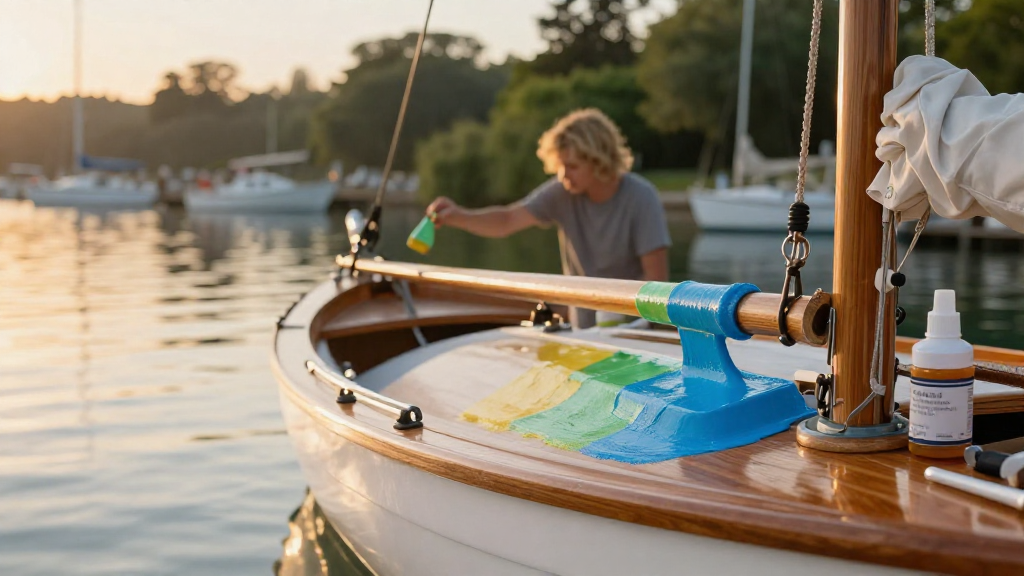
Switching to eco-friendly boat paint is an essential step for environmentally conscious boat owners.
In this article, we will explore the benefits of eco-friendly boat paint, how to transition to it, and tips to maintain a sustainable approach.
What Is Eco-Friendly Boat Paint?
Eco-friendly boat paint is designed to minimize its impact on the environment while providing adequate protection and aesthetic appeal.
Unlike traditional boat paints that may contain harmful chemicals, eco-friendly options are often:
- Water-based: Reducing VOC (Volatile Organic Compounds) emissions.
- Biodegradable: Breaking down more readily in the environment.
- Non-toxic: Safe for both users and marine life.
These paints use natural or sustainable ingredients to achieve good adhesion, durability, and finish.
Why Should You Switch to Eco-Friendly Boat Paint?
Switching to eco-friendly boat paint presents numerous advantages:
-
Environmental Protection: Reduces water pollution and protects marine ecosystems.
-
Health Benefits: Lower exposure to harmful solvents and toxins can improve your health.
-
Regulatory Compliance: Many regions have regulations against toxic paint; using eco-friendly options keeps you compliant.
-
Sustainable Practices: Aligns your boating practices with environmental sustainability, enhancing your boat’s value.
How to Switch to Eco-Friendly Boat Paint?
Making the transition is more straightforward than you might think.
Step 1: Assess Your Current Paint
Evaluate the type of paint currently on your boat.
Identify:
- The type of traditional paint used (e.g., oil-based, solvent-based).
- The condition of the paint (Cracked, peeling, or faded paint may need to be removed completely).
Step 2: Prepare for Removal
Before applying eco-friendly boat paint, the existing layers need removal.
Safe Removal Techniques:
-
Sandblasting: An effective method but should be done carefully to avoid damage to the hull.
-
Chemical Strippers: Opt for eco-friendly stripping agents when necessary.
-
Manual Scraping and Sanding: This option is less messy but will require more manual labor.
Step 3: Choose the Right Eco-Friendly Paint
When searching for the right eco-friendly boat paint, consider the following factors:
-
Purpose: Different areas of your boat may require specific formulations (hull, deck, bottom).
-
Durability: Look for paint that offers long-lasting protection against elements like UV rays, saltwater, and algae.
-
Color and Finish: Ensure you find a shade that fits your aesthetic preferences.
Some popular brands that specialize in eco-friendly boat paint include:
-
Interlux: Known for their environmentally responsible options.
-
Epifanes: Offers a line of sustainable varnishes and paints.
-
OxyChem: Provides water-based options that are less harmful to the environment.
Step 4: Preparations for Application
Proper preparation before applying eco-friendly boat paint will ensure the best results.
Essential Steps:
-
Clean the Surface: Remove dust, grease, and contaminants for optimal adhesion.
-
Dry the Hull: Ensure that the surface is completely dry to avoid blisters or peeling later.
-
Mask Off Areas: Use painter’s tape to protect parts that shouldn’t be painted.
Step 5: Application of Eco-Friendly Boat Paint
Once prepared, you can proceed with the application:
-
Read Instructions: Every brand has specific guidelines; follow the manufacturer’s recommendations for best results.
-
Use Proper Tools: Invest in good quality brushes or rollers designed for marine paint applications.
-
Choose Ideal Conditions: Work on a day with mild temperatures and low humidity for the best finish.
Step 6: Finishing Touches and Maintenance
After painting, ensure proper curing time and take steps to maintain your boat’s new finish:
-
Allow Proper Cure Time: Depending on the product, allow at least 24-48 hours for proper drying.
-
Routine Cleaning: Gently wash your boat with non-toxic soap to keep the surface clean and preserve the paint.
-
Monitor for Damage: Regularly inspect for scratches, chips, or wear.
What Are Common Misconceptions About Eco-Friendly Boat Paint?
Many boaters have reservations about eco-friendly boat paint. Here are some common misconceptions debunked:
-
“Eco-friendly Paint Doesn’t Last”: Today’s eco-friendly paints offer durability equal to traditional options.
-
“It’s Too Expensive”: Though initial costs may be higher, consider the long-term benefits for the environment and your health.
-
“Application Is Difficult”: With proper preparation and guidance, applying eco-friendly paint can be as easy as traditional paint.
How to Encourage Others to Make the Switch?
Becoming an advocate for eco-friendly boat paint in your community or marina can inspire others to follow suit. Here’s how:
-
Share Your Experience: Talk about your transition and its impacts.
-
Host Workshops: Offer to share knowledge on painting techniques and the benefits of eco-friendly alternatives.
-
Create Informative Material: Flyers, social media posts, or community boards can help spread awareness.
Conclusion: Why It’s Worth Making the Switch!
In summary, understanding how to switch to eco-friendly boat paint can transform not only your boating experience but also positively impact the environment.
By choosing eco-friendly options, you’re taking a step toward preserving marine ecosystems.
With many quality products available and knowledge readily accessible, there’s never been a better time to make the change.
Your boat, the ocean, and future generations will thank you!