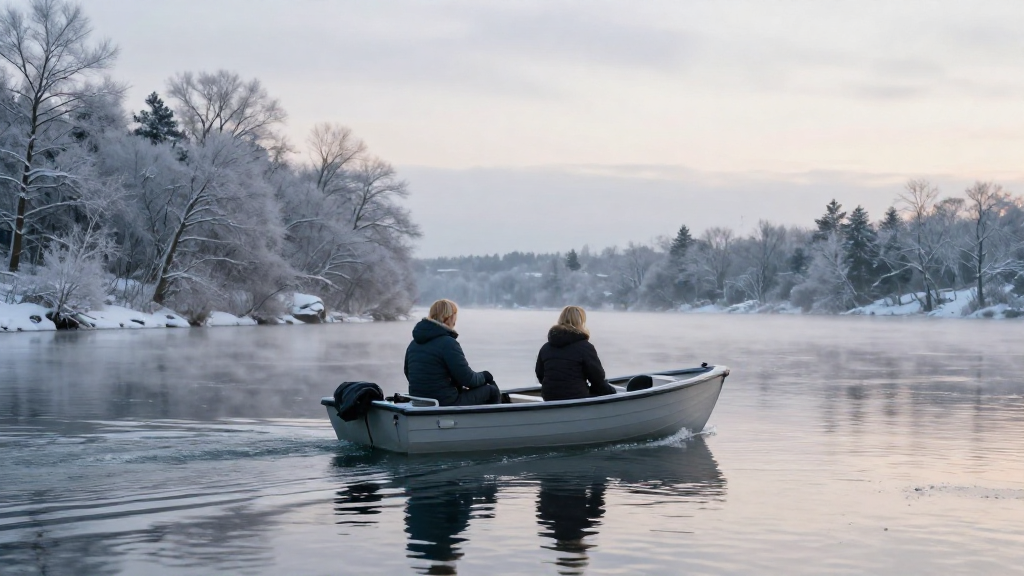
Boating can be an exhilarating experience, but knowing how to boat in cold weather is essential for ensuring your safety and enjoyment.
Why Is Cold Weather Boating Different?
Boating in cold weather presents unique challenges that require special preparation. The risks of hypothermia and sudden weather changes are significant in colder temperatures. Understanding the differences will help you plan effectively.
Here are some key factors to consider:
- Temperature Fluctuations: Cold temperatures can cause rapid changes in boating conditions.
- Hypothermia Risk: Cold water can lead to dangerously low body temperatures.
- Equipment Performance: Cold weather can affect the functionality of your boating gear.
What Should You Wear for Cold Weather Boating?
Staying warm and dry is critical when you learn how to boat in cold weather. Proper clothing can be a lifesaver.
Consider the following clothing items:
-
Layering:
– Base layers: Moisture-wicking fabrics.
– Insulating layers: Fleece or down for warmth.
– Outer layers: Waterproof and windproof jackets. -
Accessories:
– Waterproof gloves: Protect your hands from the cold.
– Thermal socks: Keep your feet warm and dry.
– Hats or beanies: A significant amount of heat escapes from your head. -
Footwear:
– Insulated, waterproof boots: Essential for keeping your feet warm.
– Non-slip soles for stability on wet surfaces.
How to Prepare Your Boat for Cold Weather?
Preparation is key when learning how to boat in cold weather.
Make sure your boat is ready for the elements:
Follow these steps:
- Inspect the Hull: Ensure there are no cracks or leaks. Cold temperatures can exacerbate existing issues.
- Check Electrical Systems: Cold weather can impact battery life, so ensure they are fully charged.
- Service the Engine: Cold engines can be more challenging to start. Have it checked before heading out.
- Equipment Storage: Store gear in a dry, insulated area to prevent freezing or damage.
- Safety Gear: Ensure life jackets, flares, and first-aid kits are onboard and easily accessible.
How Can You Ensure Safety While Boating?
Safety should always be your number one priority when figuring out how to boat in cold weather. Adopting precautionary measures can help navigate cold weather obstacles effectively.
Here are some safety guidelines to follow:
- Inform Someone: Always let someone know about your boating plans and expected return time.
- Float Plans: File a float plan with trip details including destination and expected return.
- Wear Life Jackets: Always wear a personal flotation device (PFD), even if you’re an experienced boater.
- Check Weather Conditions: Review forecasts and warnings before departure. Use mobile apps for real-time updates.
What Emergency Preparedness Measures Should You Take?
When boating in cold weather, preparedness for emergencies is vital. Even with precautions, incidents can occur. You must be ready for anything.
Consider the following steps:
- Emergency Kit:
- A waterproof bag containing essentials like food, water, and a flashlight.
-
Whistles for signaling and emergency blankets.
-
Communication Gear:
- Fully charged mobile devices and a marine radio.
-
A GPS device for accurate location tracking.
-
Training:
- Take a boating safety course focused on cold weather scenarios.
- Practice emergency drills with your crew before heading out.
What Precautions Should You Take on the Water?
While on the water, knowledge of how to boat in cold weather becomes practical experience. Always monitor conditions and behave prudently.
Here are some precautions to observe:
- Stay Vigilant: Watch for changes in weather conditions, including water movement and wind strength.
- Maintain a Slow Speed: Rapid boating can create excess splashes and make control difficult in icy conditions.
-
Avoid Alcohol: Alcohol impairs judgment and increases the effects of cold.
-
Buddy System: Always boat with a companion to ensure assistance if something goes wrong.
How Can You Stay Comfortable While Boating?
Maintaining comfort is essential for enjoying a cold-weather outing. Use these tactics to stay comfortable and reduce the risk of cold exposure:
Tips to remember:
- Stay Hydrated: Drink warm beverages to keep body heat up.
- Avoid Overexertion: Take regular breaks to perform stretches and relax.
-
Move Around: Keep your blood circulating by walking around the boat, particularly if it’s anchored.
-
Know Your Limits: If you start feeling too cold, it’s time to head back.
What Should You Do After Boating?
After a long day on the cold waters, you should have a plan for wrapping things up safely. Your post-boating routine can aid with post-trip muscle relaxing and equipment care.
Post-boating tasks include:
- Dry and Store Gear: Properly wash and dry your gear before storage to prevent mildew and damage.
- Inspect Your Boat: Assess for winter wear and tear as well as ice buildup.
- Report Your Return: Confirm your safe return with elected contacts of your float plan.
Conclusion
Understanding how to boat in cold weather is crucial for your safety and enjoyment on the water. Remember to prepare adequately, dress appropriately, and always focus on safety.
With the right precautions, you can enjoy the beauty and tranquility of cold-weather boating while staying safe. Happy boating!