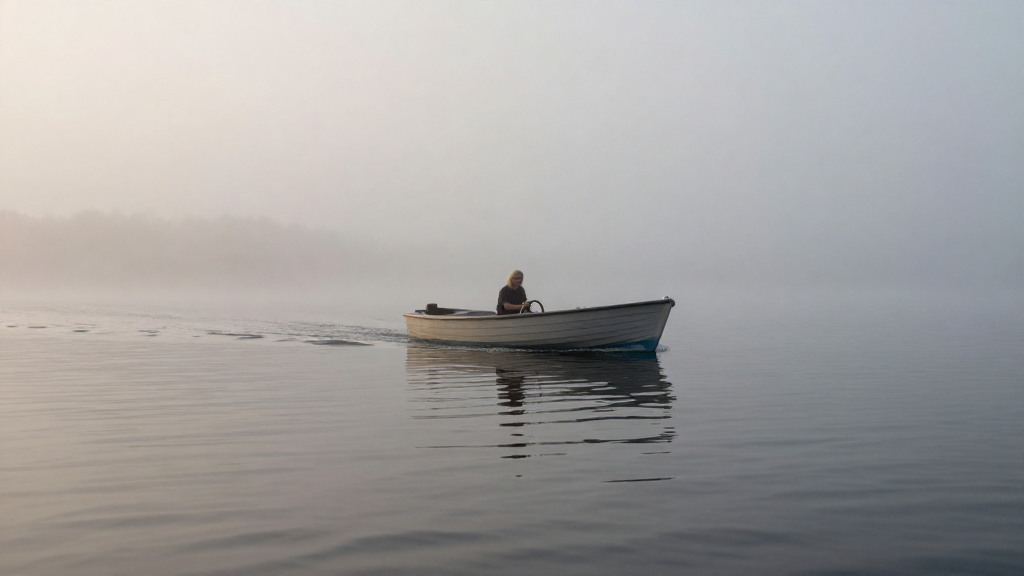
Navigating your boat in fog or low visibility can be a daunting task, but with the right techniques and tools, you can ensure a safe journey.
What Do You Need to Know About Navigating in Fog or Low Visibility?
When it comes to understanding how to boat in fog or low visibility, there are several factors to consider.
First, it’s essential to recognize that fog and low visibility conditions can drastically change the boating environment.
Key challenges include:
- Reduced sight distance: Objects may appear suddenly.
- Sound cues: You may rely more on sounds than visual indicators.
- Traffic density: Increased risk of encountering vessels unexpectedly.
Familiarizing yourself with these challenges will enhance your preparedness for poor visibility scenarios.
How Can You Prepare Your Vessel for Fog or Low Visibility?
Before heading out, ensuring your boat is appropriately equipped is imperative. Here’s how you can prepare:
-
Install Proper Navigation Lights:
– Ensure your navigation lights are functioning.
– Use running lights to increase visibility to other boaters. -
Equip with Radar and GPS:
– Radar can detect other vessels and landmasses even when you cannot see them.
– GPS allows you to maintain your position accurately. -
Have a Sound Signal:
– Use a horn or whistle to signal your presence to nearby boats. -
Emergency Gear:
– Pack flares, extra life jackets, and a first aid kit. -
Check Weather Conditions:
– Before setting off, review weather forecasts.
– Avoid unnecessary travel in dense fog if possible.
By thoroughly preparing your vessel, you increase your chances of safely navigating in conditions of reduced visibility.
How Should You Navigate in Fog or Low Visibility?
When you’re on the water, knowing how to boat in fog or low visibility is essential for your safety. Here are some critical navigation tips:
-
Slow Down:
– Reduce your speed to enable adequate reaction time.
– Maintain a safe distance from other vessels and hazards. -
Use Visual Aids:
– Look for navigational buoys, markers, and other landmarks as points of reference.
– Pay extra attention to the water’s sound and movement. -
Monitor Weather Updates:
– Continuously check for weather updates if you remain out longer than planned.
– Be prepared to change course or seek shelter if conditions worsen. -
Keep the Course Straight:
– Maintain a steady course whe you boat; it reduces confusion for both you and other boaters. -
Communicate:
– Use maritime communication channels to announce your position.
– Stay informed of other vessels in the area and their movements.
By employing these strategies, you can ensure a safer trip through challenging foggy conditions.
What Should You Do When Encountering Other Boats?
When navigating in low visibility, understanding how to properly interact with other vessels is crucial.
Here’s what you should do:
- Sound Signals:
- Use horn signals to communicate your intentions.
-
Familiarize yourself with the International Regulations for Preventing Collisions at Sea (COLREGS).
-
Maintain a Safe Distance:
- Observe the “give-way” and “stand-on” vessel rules.
-
Always give way to larger vessels and those restricted in their ability to maneuver.
-
Check Your Surroundings Frequently:
- Utilize radar and GPS to avoid collisions.
- Keep an eye (or ear) out for approaching boats.
Maintaining situational awareness is essential for safe navigation in foggy conditions.
What Are Your Options If You Get Lost in Fog or Low Visibility?
If you find yourself disoriented while learning how to boat in fog or low visibility, follow these steps for safety:
-
Stop and Take a Breath:
– Don’t panic; stopping can help stabilize your situation.
– Use this moment to assess your surroundings and plan your next steps. -
Verify Your Position:
– Use your electronic devices (GPS, radar) to pinpoint your current location.
– Check your charts and any known landmarks. -
Communicate Your Situation:
– Use radio communication to alert others.
– Provide your position and situation for assistance if needed. -
Anchor If Necessary:
– If you’re unsure of your location, consider anchoring until visibility improves.
– This prevents drifting and potential collisions with other vessels. -
Wait for Conditions to Improve:
– Stay patient; it’s often safer to wait than to navigate blindly.
Being prepared for the unexpected is vital for anyone navigating in fog or low visibility.
How Can You Stay Calm and Focused in Fog or Low Visibility?
Maintaining composure is critical when faced with reduced visibility. Here are some tips:
- Practice Mindfulness:
-
Stay present in the moment; focus on your surroundings and your boating skills.
-
Communicate with Your Crew:
- Ensure everyone knows their roles and responsibilities.
-
A calm crew contributes to overall safety.
-
Develop a Safety Plan:
- Outline procedures for foggy conditions before hitting the water.
- Create a checklist for everyone to follow.
An effective safety plan will enhance your confidence and preparedness.
Conclusion: How to Boat in Fog or Low Visibility
Learning how to boat in fog or low visibility requires preparation, awareness, and sound judgment.
By following the guidelines outlined in this article, you can navigate through even the thickest fog with greater assurance.
Remember, safety always comes first—when in doubt, don’t hesitate to wait it out.
Final Thoughts
Understanding how to boat in fog or low visibility can mean the difference between a safe journey and a hazardous situation.
Arming yourself with the right strategies and tools will keep you safe on the water, even when the visibility is less than ideal.
Safe boating!