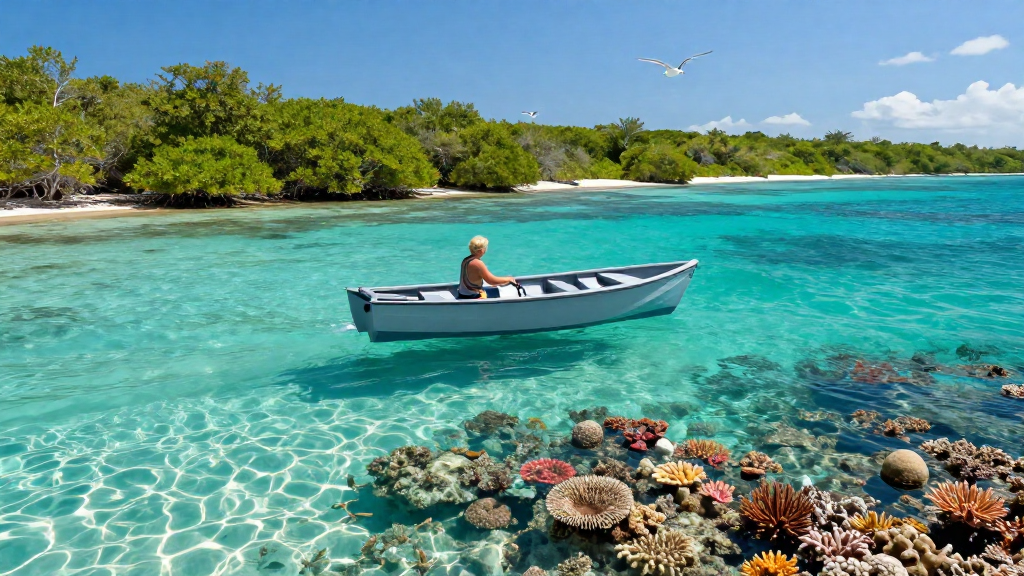
Boating is a popular recreational activity that brings people closer to nature. However, understanding how to boat in marine protected areas is essential to preserving these unique ecosystems.
What Are Marine Protected Areas?
Marine Protected Areas (MPAs) are sections of the ocean where human activity is restricted to protect the natural environment and its biodiversity.
These designated areas can include:
- Coral reefs: Vital for marine life and coastal protection.
- Mangroves: Crucial for nursery habitats for many species.
- Seagrass beds: Serve as feeding grounds for various marine creatures.
Contributing to the health of these habitats is one of the primary reasons boaters should learn how to boat in marine protected areas responsibly.
Why Is Responsible Boating Important?
Responsible boating is crucial for several reasons:
-
Protecting Marine Life: Disturbing wildlife can disrupt feeding, breeding, and migratory patterns.
-
Maintaining Ecosystem Health: Damage to sensitive habitats can lead to long-term ecological consequences.
-
Ensuring Sustainable Use: Preserving these areas ensures that future generations can enjoy the same recreational opportunities as we do today.
By understanding how to boat in marine protected areas, you can enjoy your time on the water while minimizing negative impacts.
What Are the Rules for Boating in MPAs?
To boat responsibly in marine protected areas, it’s essential to recognize and follow both general and specific guidelines. Here are some common rules you may encounter:
- No anchoring on sensitive habitats: Use designated mooring buoys whenever possible.
- Observe speed limits: Reduced speeds help minimize wake and protect wildlife.
- Avoid unauthorized fishing or collecting: Most MPAs prohibit fishing and collecting marine species to protect biodiversity.
- Keep a safe distance from wildlife: Maintain a respectful distance from marine mammals and nesting birds.
When you know the specific rules of the area you’re visiting, you can better understand how to boat in marine protected areas effectively.
How Can Boaters Minimize Pollution?
Pollution is a significant concern in marine protected areas. Here are some steps you can take:
- Proper waste disposal: Always use onshore facilities for human waste.
- Fuel responsibly: Use designated fueling stations to prevent spills.
- Keep trash on board: Dispose of all waste responsibly once you return to shore.
- Use eco-friendly products: Choose biodegradable soaps and avoid harmful chemicals.
By following these practices, you can effectively reduce your environmental footprint and learn how to boat in marine protected areas in a sustainable way.
What Equipment Should I Use?
Using the right equipment can help you reduce your impact while enjoying your time in the water. Consider the following:
- Eco-friendly boat designs: Consider using boats that are designed to minimize emissions and water pollution.
- Low-impact anchors: Select anchors that are less likely to damage the seafloor.
- Quiet motors: Use electric or quieter motors where possible to minimize noise pollution.
When selecting equipment for your boating adventures, prioritize options that support your goal of how to boat in marine protected areas responsibly.
How Can You Educate Yourself and Others?
Education is vital for preserving marine environments. Here are some effective ways to enhance your knowledge and share it with others:
- Join local organizations: Become a member of conservation groups working in your area.
- Attend workshops and seminars: Stay informed about best practices for responsible boating.
- Volunteer: Participate in beach clean-ups or wildlife monitoring.
By becoming educated and sharing your knowledge, you contribute to a community that values and understands how to boat in marine protected areas.
What Are Some Best Practices for Wildlife Encounters?
Encountering wildlife can be one of the highlights of boating trips. However, it’s vital to approach these encounters responsibly. Here are some best practices to follow:
- Use binoculars or cameras: Observe marine life from a safe distance, avoiding close approaches.
- Stay calm: If you spot wildlife, remain quiet to avoid startling them.
- Avoid feeding wildlife: It’s crucial for their natural diet and behavior not to feed animals.
These practices help protect sensitive species and their habitats while enriching your experience on the water, exemplifying how to boat in marine protected areas.
How Can You Participate in Conservation Efforts?
Participating in conservation initiatives strengthens your connection to marine protected areas and helps ensure their preservation. Ways to get involved include:
- Reporting pollution or disturbances: Notify authorities about issues you encounter during your boating trips.
- Engaging in citizen science: Contribute to conservation efforts by observing and reporting data on marine species.
Joining hands with the community to protect these areas demonstrates your commitment to understanding how to boat in marine protected areas responsibly.
Conclusion
Understanding how to boat in marine protected areas is not just about knowing the rules; it’s about embracing a mindset of stewardship.
By taking responsible actions while boating, you contribute to the health of marine ecosystems, ensuring they thrive for generations to come.
Get involved, educate yourself, and respect the natural world to enjoy your adventures while safeguarding our oceans’ future.
Key Takeaways:
- Know the rules: Always research the specific regulations of MPAs before boating.
- Minimize pollution: Dispose of waste properly and use eco-friendly products.
- Educate yourself and others: Stay informed and share your knowledge about marine conservation.
- Respect wildlife: Observe from a distance and avoid disturbances.
By following these guidelines, you can enjoy the beauty of the ocean while playing a role in its preservation.