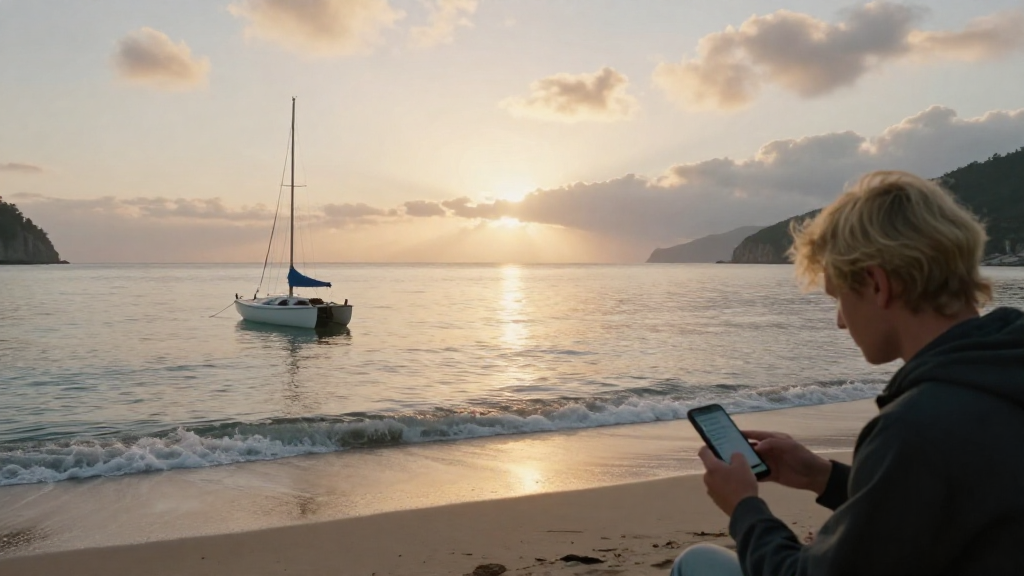
Before you set sail on your boating adventure, understanding how to check tides before boating is crucial.
Tides can significantly impact your safety and comfort while on the water. In this article, we’ll explore various methods and tools to ensure you’re well-prepared before you launch your boat.
Why is Knowing Tides Important for Boating?
When boating, knowledge of tides is vital for several reasons:
-
Safety: Low tides can lead to shallow waters where your boat could run aground.
-
Navigation: Tides affect currents and water levels, which can influence your route.
-
Timing: Understanding the tidal schedule allows you to optimize your trip to enjoy the best conditions.
How Do Tides Work?
To effectively learn how to check tides before boating, it’s essential to understand the basics of tides.
What Causes Tides?
Tides are caused primarily by the gravitational pull of the moon and the sun on Earth’s oceans.
-
Spring Tides: Occur when the sun and moon are aligned, resulting in higher high tides and lower low tides.
-
Neap Tides: Happen when the sun and moon are at right angles, causing lower high tides and higher low tides.
How Can I Predict Tides?
Fortunately, you don’t need to be a scientist to predict tides. There are several tools and resources available:
-
Tide Charts: These are published in various formats, including print and online. They provide the expected high and low water levels for each day.
-
Mobile Apps: Several applications like “Tide Charts Near Me” and “My Tide Times” can offer real-time tidal information based on your location.
-
Websites: Many local and national government agencies maintain websites with up-to-date tide information, such as NOAA (National Oceanic and Atmospheric Administration).
How to Check Tides Before Boating
Now that you understand why tides matter and their basic mechanics, let’s dive into how to check tides before boating in a few simple steps.
What Tools Do I Need?
To effectively check tides before your boating trip, you will need:
-
A reliable source of tidal information (tide charts, apps, or websites)
-
A smartphone or a device with internet access
-
Local knowledge: If you’re unfamiliar with a particular area, consult local boaters or marinas for insights.
What Should I Look For?
When examining tides, focus on the following details:
-
High and Low Tide Times: Ensure you know when these will occur on your selected boating date.
-
Tidal Range: Understand the difference between high and low tide levels, which determines water depth.
-
Sunrise and Sunset Times: This is crucial for planning your outing and ensuring you have adequate daylight.
How Do I Interpret Tide Information?
Understanding your tide source is key to how to check tides before boating effectively.
What Do Tide Charts Look Like?
-
Graphs: Most tide charts are laid out as graphs.
-
Axes: The horizontal axis typically represents time while the vertical axis indicates water level.
-
Color Coding: Some charts use different colors to differentiate between high and low tides.
How to Read a Tide Chart?
-
Identify the date of your planned boating trip.
-
Look for the corresponding high and low tide times.
-
Note the tidal heights to gauge water depth.
How to Use Tidal Information for Trip Planning
Having learned how to check tides before boating, here’s how to incorporate this information into your trip planning:
When Should I Leave?
-
Two Hours Before High Tide: Starting your journey shortly before high tide can help with deeper waters in unfamiliar areas.
-
Avoid Low Tides: Plan to be off the water during low tide to ensure safety and avoid hazards.
How Can I Maximize My Boating Experience?
-
Timing is Everything: Schedule activities such as fishing or swimming during high tide when the water is deeper.
-
Consider Weather Conditions: Always check the weather forecast alongside tidal information for the safest boating conditions.
What If I’m New to Boating?
If you’re a beginner looking to learn how to check tides before boating, consider these tips:
Seek Advice from Experienced Boaters
-
Join Local Boating Clubs: Engaging with experienced members can provide insights into local tides and safe boating practices.
-
Ask Questions: Don’t hesitate to ask seasoned boaters how they determine tidal conditions.
Attend Boating Courses
-
Online Courses: Many organizations offer online courses focusing on tidal navigation and boating safety.
-
In-Person Training: Local marine schools may provide hands-on training that includes tidal awareness.
What Are the Common Mistakes to Avoid?
When learning how to check tides before boating, be mindful of these common mistakes:
-
Ignoring Local Conditions: Always consider local conditions and not just the general tide apps or charts.
-
Not Double-Checking Information: Rely on multiple sources for confirmation as tidal conditions may vary.
-
Timing Errors: Failing to plan trips around high tide can lead to dangerous situations.
Conclusion: Mastering the Tides
Understanding how to check tides before boating is essential for ensuring a safe and enjoyable experience on the water.
By utilizing reliable tools, comprehending tide charts, and seeking guidance from experienced boaters, you’ll empower yourself to navigate safely and make informed decisions while boating.
So before you head out, make sure to take the time to check those tides properly.
Your adventure awaits, and being prepared means enjoying your time out on the water to the fullest!
Happy boating!