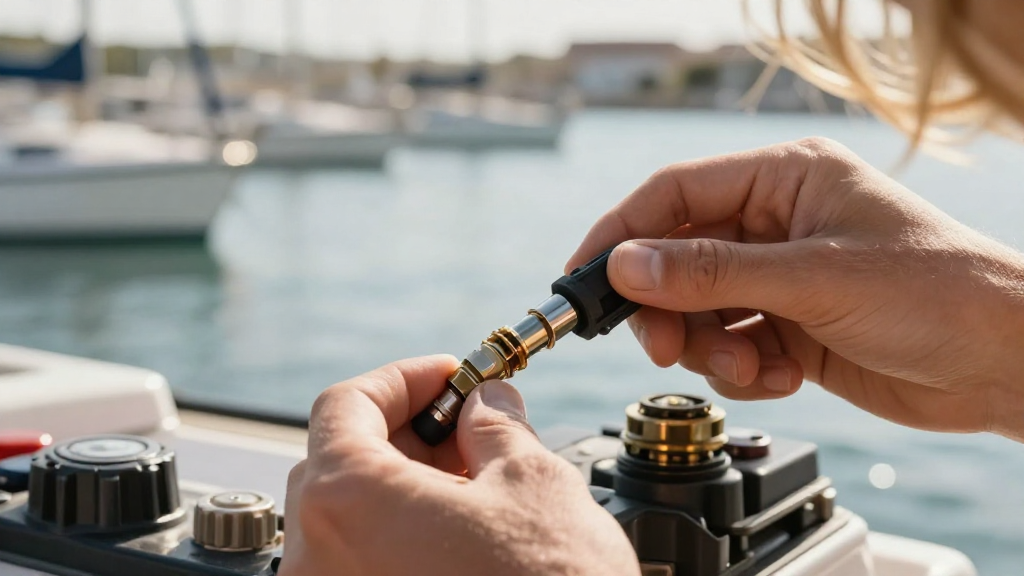
Keeping your boat’s electrical contacts clean is crucial for proper functioning and safety.
In this guide, we’ll explore how to clean boat electrical contacts effectively and efficiently, ensuring your vessel operates smoothly.
Why is Cleaning Boat Electrical Contacts Important?
What Are Electrical Contacts?
Electrical contacts are points in your boat’s electrical system where current flows between wires, switches, and other components.
How Do Dirty Contacts Affect Performance?
- Increased Resistance: Dirt, corrosion, and moisture can create resistance, leading to poor connectivity.
- Overheating: Increased resistance can cause overheating of wires and components, risking damage and potential fire hazards.
- Intermittent Connections: Dirty contacts can lead to erratic behavior of electrical devices, causing system failures.
Cleaning these contacts regularly enhances performance and extends the lifespan of your electrical systems.
When Should You Clean Boat Electrical Contacts?
How Often Should You Clean Electrical Contacts?
- Seasonal Check-ups: Before you launch your boat for the season, take the time to clean and inspect the electrical contacts.
- After Inclement Weather: Heavy rains or storms can introduce moisture, making it essential to clean contacts afterward.
- Issue Troubleshooting: If you notice flickering lights or failed electrical devices, check and clean the contacts.
What Do You Need to Clean Boat Electrical Contacts?
Essential Tools and Supplies
Before you begin, gather the following items:
- Safety Gear: Gloves and safety goggles to protect yourself from chemicals and corrosion.
- Cleaning Supplies:
- Electrical Cleaner: A non-residue cleaner designed for electrical contacts.
- Cotton Swabs: Ideal for accessing tight spaces.
- Soft Brushes: Use a toothbrush or a similar brush for scrubbing away deposits.
- Lint-Free Cloths: For drying and wiping down the area.
- Tools:
- Screwdrivers: To access the contacts.
- Wire Brush: For heavy-duty cleaning of corrosion.
How to Clean Boat Electrical Contacts Step-by-Step?
What Are the Steps to Clean Electrical Contacts?
-
Power Off the Electrical System:
Always turn off the power to your boat’s electrical system before starting any cleaning task. -
Access the Electrical Contacts:
– Use a screwdriver to remove any panels or covers to expose the electrical contacts. -
Inspect the Contacts:
– Look for any visible signs of dirt, corrosion, or damage. Take note of which contacts may need more attention. -
Apply Electrical Cleaner:
– Spray a liberal amount of electrical cleaner onto the contact areas.
– Allow it to penetrate for a few moments. -
Scrub the Contacts:
– Use a soft brush to gently scrub the contacts.
– For tight spaces, utilize cotton swabs to get into hard-to-reach areas. -
Wipe Down the Area:
– After scrubbing, wipe the area clean with a lint-free cloth to remove any remaining residue. -
Dry and Reassemble:
– Ensure everything is dry before reassembling any covers or panels.
– Replace any screws or fasteners you removed. -
Test the System:
– Turn the power back on and test the electrical systems to ensure everything is functioning correctly.
Are There Any Tips for Maintaining Clean Electrical Contacts?
How Can You Prevent the Need for Frequent Cleaning?
- Use Dielectric Grease: Applying light dielectric grease can help prevent moisture and corrosion from forming.
- Regular Inspections: Schedule routine checks, especially after trips or harsh weather.
- Seal Connections Properly: Ensure that all connections are sealed to limit exposure to moisture.
- Store Properly: If possible, store your boat in a dry, covered environment to reduce moisture exposure.
What are the Risks of Neglecting Electrical Contacts?
What Can Happen If You Don’t Clean Your Boat’s Electrical Contacts?
- Complete Power Failure: Dirty contacts may lead to a total breakdown of your electrical systems.
- Increased Maintenance Costs: Ongoing electrical issues can result in costly repairs if not caught early.
- Safety Hazards: Overheating wires or components can pose fire risks and endanger you and your passengers.
Conclusion: The Importance of Regular Maintenance
Regular maintenance is essential for the longevity and safety of your boat.
By knowing how to clean boat electrical contacts, you can ensure a reliable electrical system.
Make it a routine to inspect and clean your contacts, thus avoiding unnecessary issues and enhancing your boating experience.
Follow these guidelines, and you will keep your boat running smoothly and safely for many seasons to come.