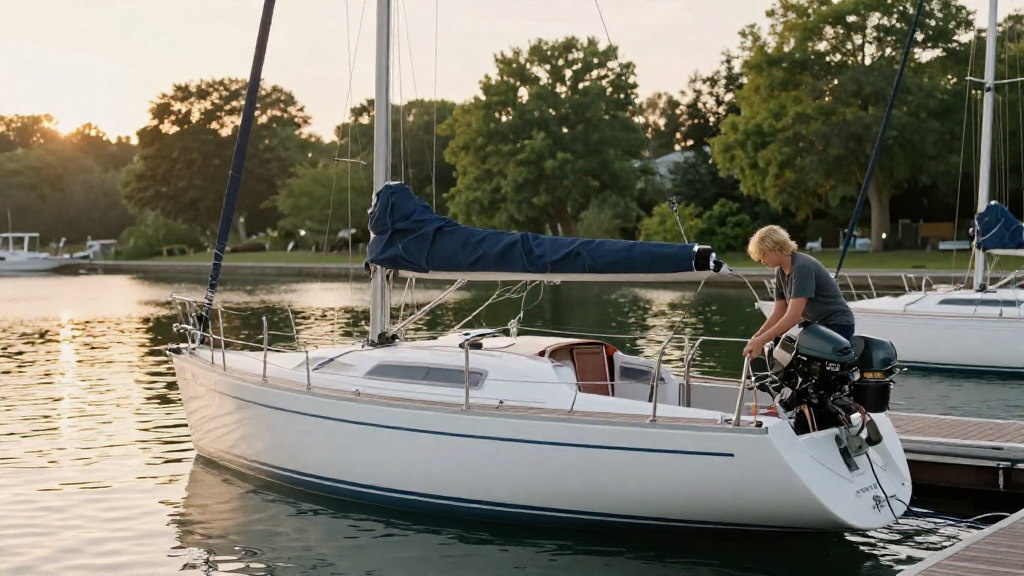
Spring has arrived, and for many boat owners, it’s time to learn how to de-winterize a boat and prepare for a fantastic boating season ahead.
What Does De-Winterizing a Boat Involve?
De-winterizing a boat is an essential process that ensures your vessel is safe and ready for use after a long winter of storage.
This routine helps to:
- Protect your investment.
- Ensure safety on the water.
- Enhance boat performance.
Understanding how to de-winterize a boat can help you avoid potential issues and make the most of your time on the water.
Why Is It Important to De-Winterize?
De-winterizing your boat is crucial for several reasons:
-
Prevent Damage: Winterizing protects against freezing temperatures and weather-related damage, but come spring, you want to ensure everything is working correctly.
-
Boat Performance: A well-maintained boat performs better, saving you time and creating a safer experience.
-
Cost-Effectiveness: Addressing any issues early can save you money on repairs later.
-
Safety: Ensuring all systems function properly minimizes the risk of accidents on the water.
How Do You Start the De-Winterization Process?
Before diving into the details of how to de-winterize a boat, gather some essential tools and materials:
- Basic hand tools
- Engine oil and filters
- Fuel stabilizer
- Freshwater
- Anti-freeze (for specific systems)
Execute your de-winterization process in an organized manner by following these steps:
1. Inspect the Exterior
Inspect the boat’s exterior thoroughly. Look for any signs of damage, wear, or loose fittings.
- Check the hull for cracks, scratches, or any hull blisters.
- Inspect the gel coat for swelling or fading.
- Ensure all fittings, such as hatches and railings, are secure.
2. Clean the Boat
A thorough cleaning is key to preparing your boat for the season.
- Use boat-safe cleaning products to wash the hull and decks.
- Don’t forget to clean inside the cabin and cockpit.
- Remove any leftover items from winter storage that may have gathered dust or debris.
3. Examine Safety Equipment
Before hitting the water, make sure your safety gear is up to date.
- Check life jackets for wear and expiration dates.
- Inspect fire extinguishers and flares.
- Ensure signal and communication devices are functional.
4. Check and Service the Engine
A smooth-running engine is critical for a successful boating season.
-
Oil Change: Replace the oil and oil filter if you didn’t do so last fall. Dirty oil can hinder engine performance.
-
Fuel System: Add fuel stabilizer if you’ve previously stored fuel. Top off the tank with fresh fuel.
-
Cooling System: Inspect the cooling system hoses for cracks or leaks.
-
Battery Check: Examine the battery for corrosion and ensure it’s charged and properly connected.
5. Inspect and Reconnect Systems
Both electrical and plumbing systems require checks.
-
Inspect all connections, including wiring and connections to the battery, to ensure they are secure.
-
Look for corrosion on terminals and clean as necessary, ensuring a good connection.
-
Plumbing Systems: Check for leaks in hoses, faucets, and toilets.
-
Flush the freshwater system with a non-toxic anti-freeze solution and rinse thoroughly.
6. Verify Safety Gear and Equipment
Make sure to have all the necessary safety gear onboard and in good condition.
- Life jackets (one for each passenger)
- Working fire extinguisher
- Flares (in good condition)
- First aid kit
7. Assess the Trailer (If Applicable)
If your boat is on a trailer, it’s equally important to check it.
- Inspect the tires for wear and ensure they are inflated to the correct pressure.
- Check the lights, brakes, and other trailer components.
A properly maintained trailer ensures safe transport to and from the water.
What Should You Check in the Bilge?
The bilge area should be one of your major focal points when learning how to de-winterize a boat.
- Cleanliness: Ensure it’s clean and free of any debris or previous year’s buildup.
- Pump Functionality: Test the bilge pump to ensure it’s operating correctly.
- Leaks: Look for any signs of leaks that could lead to issues later.
8. Final Steps Before Launching
Now that you’ve gone through the entire de-winterization process, here are additional final checks:
- Go through a checklist of all systems, ensuring nothing was missed.
- Arrange a test run in a controlled environment before launching into open water.
- Make sure your boat registration and insurance documents are current.
How Often Should You De-Winterize?
While the main de-winterization occurs every spring, regular checks throughout the boating season are essential, including:
- After long trips or salty water outings.
- Before and after major trips.
- Whenever you notice any changes in performance.
Conclusion: Ready for Boating Season!
Learning how to de-winterize a boat is essential for every boat owner eager to make the most of the spring and summer boating seasons.
By following these steps, you can ensure that your boat is in prime condition, fully functional, and ready for enjoyment.
Remember, routine maintenance and regular checks throughout the boating season keep your vessel in top shape.
Now grab your gear, hit the water, and enjoy the thrill of boating!
For more resources on boating and maintenance tips, feel free to explore other articles we provide. Safe boating!