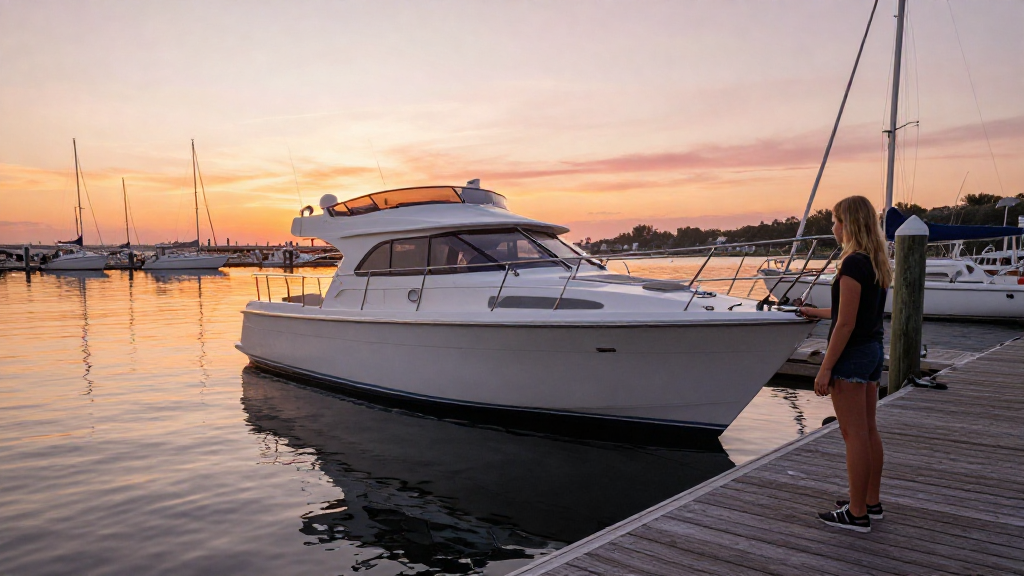
Docking a boat can be one of the most challenging aspects of boating for beginners.
Knowing how to dock a boat for beginners can help you avoid common mistakes and prevent unwanted scratches on your boat.
What Are the Basics of Docking a Boat?
Before you learn the specifics of docking, it’s essential to understand a few fundamental concepts:
-
Wind and Current: Always be aware of the current conditions.
– Wind can push your boat off course.
– The current can pull your boat away from the dock. -
Boat Size and Type: Different boats handle differently.
– Larger boats often take longer to stop.
– Smaller boats are more maneuverable. -
Docking Equipment: Familiarize yourself with the docking area.
– Look for pilings, cleats, and bumpers.
– Ensure that the area is clear of obstacles.
How Do You Prepare for Docking?
Proper preparation is vital when learning how to dock a boat for beginners. Here are steps to follow:
-
Check Your Equipment:
– Ensure that your fenders and lines are ready to use.
– Check your engine and ensure that it is functioning well. -
Communicate with Your Crew:
– If you have passengers, inform them of their roles.
– Designate someone to handle lines and fenders. -
Approach with Caution:
– Slow down when you are near the dock.
– Use your throttle wisely to maintain control.
How Should You Approach the Dock?
One of the critical questions to delve into regarding how to dock a boat for beginners is how to approach the dock effectively.
-
Positioning:
– Approach the dock at a 15-30 degree angle rather than head-on.
– This angle makes it easier to maneuver. -
Use of Throttle:
– Control your speed.
– Too fast can cause accidents; too slow can lose momentum. -
Steering:
– Use small adjustments to steer.
– Remember, turning the wheel moves the back of the boat, not the front.
What Techniques Will Help You Dock Smoothly?
Using the right techniques is crucial for a smooth docking experience. Here are a few techniques to master:
-
Reverse Gear:
– Use reverse to slow down your approach.
– It allows you to back away if you’re too close. -
Docking at Idle Speed:
– Never exceed idle speed as you approach the dock.
– Slow speeds allow for better control. -
Use of Fenders:
– Ensure fenders are in place to protect your boat from damage.
– Adjust them according to the height of the dock. -
Bow and Stern Control:
– Use a bow thruster if available or shift weight on the boat to help maneuver.
– Understanding how to control the bow and stern will greatly aid you.
What Should You Do Once You’re Docked?
Congratulations! You’re successfully docked.
Here’s what to do next:
-
Secure the Boat:
– Tie up your boat using at least two lines for stability.
– Use bow lines and stern lines for best results. -
Turn Off Equipment:
– Ensure all electronics and engines are turned off.
– Secure any gear on board. -
Double-Check Your Position:
– Walk around the boat to check how well it’s secured.
– Adjust lines if necessary.
How Can You Avoid Scratches While Docking?
One of the primary goals of learning how to dock a boat for beginners is to prevent scratches on your boat. Here are some tips to achieve that:
-
Look Before You Dock:
– Always inspect the docking area for hazards.
– Watch for other boats or people nearby. -
Use Bumpers:
– Position bumpers at the contact points of your boat.
– This extra layer of protection minimizes scratches. -
Keep Your Distance:
– Don’t rush your approach; maintain a safe distance from the dock.
– Gradually bring your boat in for precise control. -
Mind the Wind and Current:
– Keep steering into the wind or current to maintain your course.
– This will help you avoid accidentally hitting the dock. -
Practice Makes Perfect:
– The best way to avoid scratches is through regular practice.
– Make docking a routine part of your boating experience.
What Are Some Common Mistakes to Avoid?
Nothing enhances your learning experience like understanding what to avoid.
Here are common mistakes made by beginners when learning how to dock a boat for beginners:
-
Going Too Fast:
– A common mistake is coming into the dock too quickly.
– This can lead to crashes and scratches. -
Ignoring Conditions:
– Failing to account for wind and water conditions can ruin your docking experience.
– Always assess the environment first. -
Poor Communication:
– Inadequate communication with crew members can lead to confusion.
– Always give clear instructions. -
Disorganized Work:
– Not preparing lines or fenders beforehand can slow your approach.
– Always have everything ready to go.
Conclusion
Learning how to dock a boat for beginners doesn’t have to be a daunting task.
By following these strategies, you’ll build confidence and significantly reduce the chances of scratches or accidents.
Remember, practice and patience are key.
Make the most of your boating season by mastering the art of docking!
Key Takeaways:
- Always assess wind and current.
- Use slow, controlled movements.
- Secure your boat with adequate lines and fenders.
- Communicate clearly with your crew.
With these tips, you’re on your way to docking like a pro in no time!