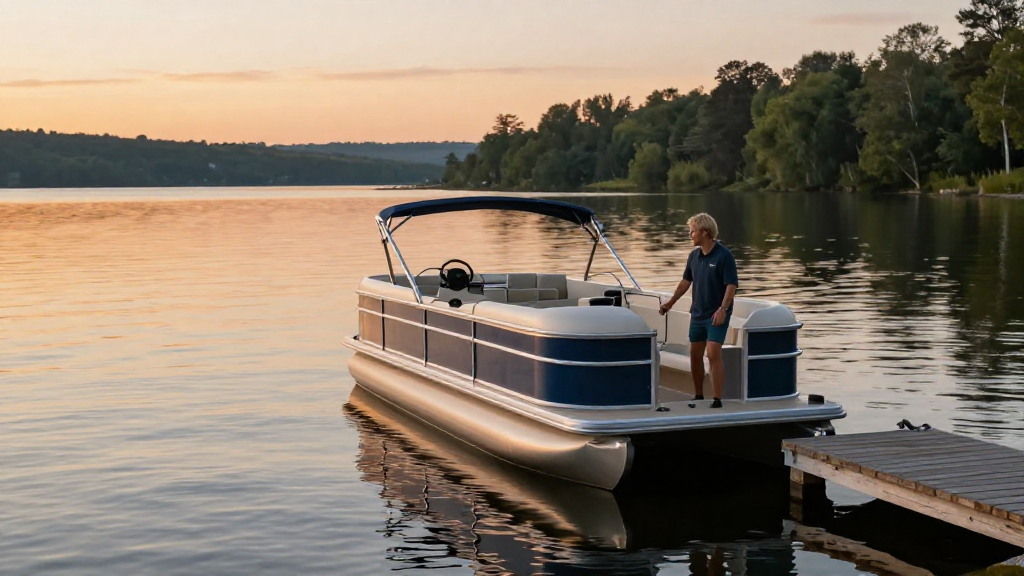
Learning how to dock a pontoon boat can be a challenge, but it’s essential for every boat owner looking to protect their investment from scratches and damage. Proper docking techniques can save your boat from costly repairs and ensure a smooth experience every time you hit the water. Let’s explore the best methods to dock your pontoon boat safely and efficiently.
Why is Proper Docking Important?
When you learn how to dock a pontoon boat correctly, you:
- Prevent Damage: Avoid scratches and dents that can occur during docking.
- Enhance Safety: Minimize the chances of accidents on the water.
- Extend Lifespan: Maintain the boat’s integrity and appearance, potentially increasing its resale value.
What Equipment Do You Need?
Before you start learning how to dock a pontoon boat, ensure you have the necessary equipment:
- Fenders: To cushion your boat when it comes into contact with the dock.
- Dock Lines: Strong and durable lines to tie your boat securely.
- Boat Hook: A helpful tool for grabbing lines or fenders from a distance.
- Bumpers: For added protection against collisions with other boats or the dock.
When is the Best Time to Dock?
Understanding the right conditions can significantly impact your docking experience.
Consider these factors:
- Weather Conditions: Calm days are perfect for practicing your docking skills.
- Visibility: Try to dock during daylight hours for better visibility.
- Traffic: Avoid busy times at the marina or dock to reduce stress.
How to Approach the Dock?
Approaching the dock is a crucial part of learning how to dock a pontoon boat without scratches. Here’s a step-by-step guide:
- Assess the Dock: Look for wind direction, currents, and obstacles around the dock.
- Slow Down: Reduce your speed when approaching the dock. A slow approach gives you more control.
- Angle Your Approach: Approach the dock at a 30-degree angle. This allows you to correct any misalignment easily.
- Use Wind to Your Advantage: If there’s a breeze, use it to gently guide your boat toward the dock.
How to Align Your Boat?
Alignment is key when you’re learning how to dock a pontoon boat effectively:
- Use Visual Cues: Focus on a fixed point on the dock to keep your alignment straight.
- Watch Your Bow: Make sure the front of your pontoon aligns properly with the dock.
- Steer Gently: Make small adjustments with your steering and throttling.
What to Do When You’re Near the Dock?
Once you’re close to the dock, it’s important to follow specific actions:
- Prepare Your Lines: Have your dock lines ready for quick deployment.
- Tie Down Fenders: Ensure your fenders are positioned for protection when you reach the dock.
- Communicate: If you’re with a crew, have clear signals or words to communicate during docking.
How to Secure Your Pontoon Boat?
Securing your boat properly requires attention to detail:
- Drop Anchor or Drift: If there’s a current, consider dropping anchor once you’re close to the dock.
- Use Proper Knots: Secure your boat to the dock using reliable knots, such as the cleat hitch.
- Double Check: Once tied down, ensure that everything is secure before stepping off the boat.
How to Practice Docking Safely?
Even if you’re a novice, practicing is vital when learning how to dock a pontoon boat without scratches.
Try these tips:
- Find an Empty Dock: Use a quiet time to practice docking your pontoon.
- Incorporate Different Angles: Practice approaching from various directions, adjusting for wind and currents.
- Have a Helper: Ask a friend to assist and provide feedback on your techniques.
What Are Common Mistakes to Avoid?
Understanding common errors can help you dock more efficiently and avoid scratches.
Here are a few pitfalls to watch out for:
- Excessive Speed: Approaching too fast can lead to collisions and damage.
- Failure to Check Surroundings: Always be aware of other boats and obstacles.
- Improper Use of Fenders: Not using fenders or improperly placed fenders can cause unnecessary scratches.
How to Maintain Your Pond Boat After Docking?
Once your pontoon boat is secured, consider these maintenance tips:
- Inspect for Damage: Check for any scratches or dents from docking.
- Clean the Hull: Rinse off saltwater or debris that could cause damage over time.
- Store Items Securely: Ensure that all items are put away to prevent shifting while docked.
Conclusion
Now that you have a better understanding of how to dock a pontoon boat without scratches, you can confidently approach your next docking experience. With proper techniques, the right equipment, and plenty of practice, you can enjoy smooth, scratch-free docking sessions every time you hit the water.
Remember, practice is key, and keeping safety in mind will only enhance your boating adventures. Happy boating!