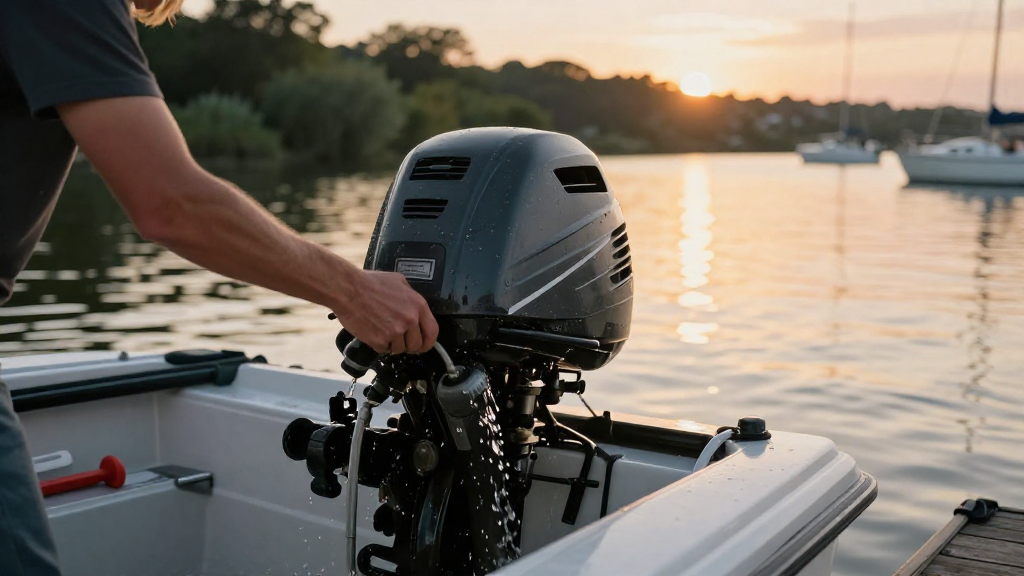
As boating enthusiasts prepare for off-season storage, understanding how to drain a boat engine before storage is crucial to ensuring that your vessel remains in optimal condition. Proper maintenance and storage techniques can extend the lifespan of your boat engine and prevent costly damages.
Why Is Draining the Engine Important?
Draining the engine is essential for several reasons:
- Prevent Freezing: Water left in the engine can freeze, leading to cracks and damage.
- Avoid Corrosion: Any remaining moisture can promote rust and corrosion over time.
- Eliminate Contaminants: Old fuel and oil can become a breeding ground for bacteria and sediment.
- Promote Longevity: Taking these steps helps preserve the engine’s integrity, ensuring smooth operation when you’re ready to hit the water again.
What Tools Do You Need to Drain the Boat Engine?
Before diving into the process of how to drain a boat engine before storage, gather the following tools:
- Wrenches: For removing hoses and drain plugs.
- Screwdrivers: For any clamps or fittings.
- Buckets: To catch any fluids that may drain.
- Shop Towels: For clean-up and ensuring no spills occur.
- Funnel: To help with draining any fluids into storage containers.
- Marine Anti-Freeze: If applicable, to protect the engine in colder climates.
How to Drain a Boat Engine Before Storage?
Now, let’s explore the step-by-step process of how to drain a boat engine before storage.
Step 1: Preparation
Start by prepping your boat for storage:
-
Choose a Safe Location: Make sure you’re working in a well-ventilated, dry area.
-
Gather Your Supplies: Ensure that you have all the necessary tools and materials within reach.
Step 2: Turn Off the Engine
Ensure that the boat engine is completely off and cool to touch.
- Disconnect the Battery: For safety, disconnect the battery to avoid any accidental starts while working.
Step 3: Remove the Drain Plug
Locate and remove the drain plug from the boat’s hull:
- Tilt the Boat: If you’re working on a trailer, tilt the boat to one side to facilitate draining.
- Catch the Water: Position a bucket under the drain hole to collect the water.
Step 4: Drain the Engine Block
Next, focus on the engine block itself:
- Locate the Engine Drain Plugs: These are typically at the lowest points of the engine.
- Remove the Plugs: Using the appropriate wrench, carefully remove the plugs and allow the engine to drain completely.
Step 5: Clear the Cooling System
Many boats have a cooling system that needs to be flushed:
- Open the Throttle: This will help open the waterways.
- Flush with Fresh Water: If applicable, connect a hose to the flush port and run fresh water through the system until it runs clear.
- Drain Again: After flushing, ensure that you drain the cooling system thoroughly.
Step 6: Add Marine Anti-Freeze
For boats in colder climates:
- Connect the Flush Kit: Attach a flush kit to the engine (if you have one).
- Introduce Marine Anti-Freeze: Follow the manufacturer’s instructions, adding the anti-freeze to provide protection against freezing.
Step 7: Inspect and Clean
Now that the draining process is complete, it’s important to inspect and clean:
- Check for Residual Water: Inspect the engine and surrounding area for any leftover water.
- Clean Filters and Belts: Replace or clean filters, and check all belts for wear and tension.
Step 8: Reassemble and Store
After everything is drained and inspected:
- Reinsert Drain Plugs: Make sure to put the drain plugs back in securely.
- Reconnect the Battery: If you disconnected it, now is the time to reconnect.
How Often Should You Drain Your Boat Engine?
- After Each Use: It’s a good habit to check for any drainage needs after every outing.
- Seasonally: Regular checks during the off-season can prevent issues from arising.
What If You Forget to Drain the Engine?
Forgetting to drain can have significant consequences:
- Cracked Engine Block: Frozen water can crack the engine block, leading to costly repairs.
- Corroded Parts: Moisture can result in rust and corrosion, damaging key components.
If you suspect you’ve forgotten to drain, it’s advisable to consult a professional marine technician to assess any potential damage pre-storage.
Final Thoughts
Understanding how to drain a boat engine before storage is not only a matter of routine maintenance but an investment in the longevity and performance of your boat. By following these steps diligently, you’re setting the stage for a hassle-free sailing experience when next season rolls around.
Taking the time to properly drain your boat engine can save you significant headaches and expenses down the line. Always be proactive about your boat’s care, and enjoy the peace of mind knowing your marine investment is properly safeguarded for the off-season.
Related Maintenance Tips
For best practices in boat care, remember to also:
- Regularly Check Your Fuel: Stale fuel can cause complications when trying to start your boat.
- Inspect the Hull: Before storage, make sure the hull is clean and free of barnacles or damage.
- Service the Battery: Check battery levels and clean the terminals to ensure optimal performance.
By integrating these strategies, you’ll enhance your understanding of how to drain a boat engine before storage, keep your boat safe from winter harm, and ensure it will be ready to set sail come spring.