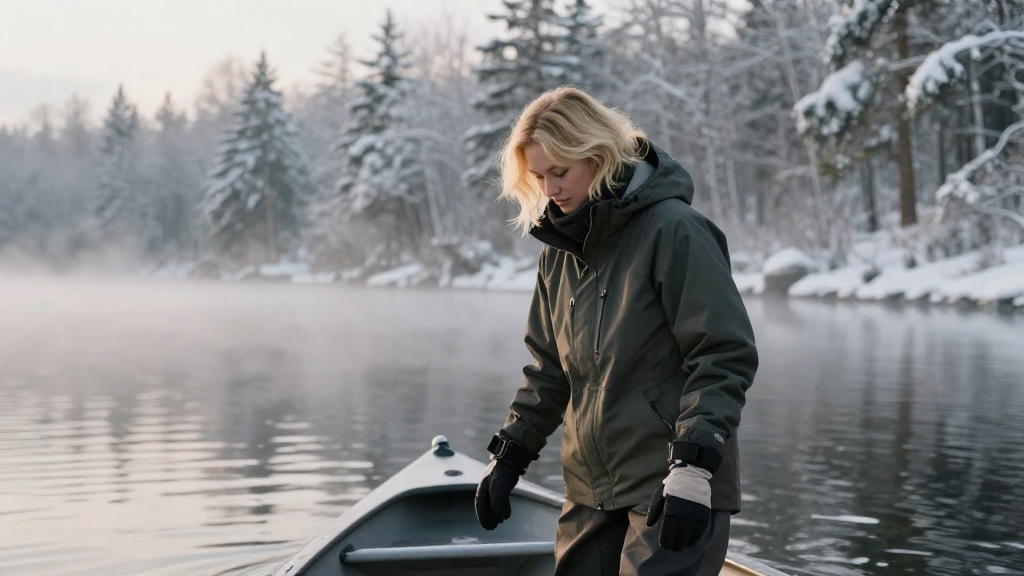
If you’re wondering how to dress for winter boating, you’re not alone.
Boating in colder conditions can be an exhilarating experience, but it also requires careful attention to how you dress.
Dressing appropriately not only keeps you comfortable but also ensures your safety on the water.
What Should You Wear for Cold Weather Boating?
To tackle the question of how to dress for winter boating, let’s break down the essential clothing items you need.
Here are the key components for a successful cold weather boating outfit:
-
Base Layer
– Choose moisture-wicking fabrics that keep sweat away from your skin.
– Materials like merino wool or synthetic blends work well.
– Opt for a snug fit to trap body heat while remaining breathable. -
Insulating Layer
– Add an insulating layer such as fleece or down to provide warmth.
– Look for jackets with good insulation properties to combat the cold winds.
– Ensure it allows for easy movement so you can handle the boat without restriction. -
Outer Layer
– Your outer layer should be waterproof and windproof.
– A durable, breathable sail jacket or a heavy-duty marine jacket is ideal.
– Look for features like adjustable cuffs and hoods to block out the elements. -
Pants
– A pair of waterproof pants is crucial for cold weather boating.
– You’d want to avoid jeans as they can become heavy when wet.
– Fleece-lined pants or thermal leggings can provide extra warmth. -
Footwear
– Insulated and waterproof boots are a must.
– Look for slip-resistant soles for safety on slippery surfaces.
– Wool socks can add an extra layer of warmth and comfort. -
Accessories
– Don’t forget essential accessories such as:- Gloves: Waterproof or insulated gloves are crucial for dexterity.
- Hat: A warm beanie or hat designed to keep your head warm in windy conditions.
- Scarves: A neck gaiter or scarf can protect your neck and face.
How Important is Layering for Winter Boating?
When discussing how to dress for winter boating, layering becomes essential.
Layering not only helps regulate your body temperature but also allows for flexibility.
Here’s why layering is so beneficial:
- Thermal Regulation: You can easily adjust your clothing based on the temperature.
- Moisture Management: Each layer plays a role in keeping sweat off your skin and helps keep you dry.
- Versatility: Layers can be added or removed based on changing weather conditions throughout the day.
Should You Consider a Life Jacket?
Absolutely!
When you’re thinking about how to dress for winter boating, incorporating a life jacket should not be overlooked.
In colder weather, hypothermia can set in rapidly if you fall into the water.
Here are some tips for choosing the right life jacket:
- Type: Look for a *Type III PFD* designed for comfort and mobility.
- Insulation: Some PFDs come with built-in insulation for added warmth.
- Fit: Ensure it fits snugly without restricting movement.
Is Headgear Necessary for Cold Weather Boating?
Yes, headgear plays a significant role when considering how to dress for winter boating.
The majority of heat loss occurs through the head, making it vital to keep it covered.
Here are some headgear options you can consider:
- Beanies: A wool or fleece beanie can trap heat effectively.
- Hoods: Some jackets come with hoods that offer extra protection against wind and water.
What About Sunglasses and Sunscreen?
Surprisingly, the sun can still be quite harsh in winter!
When addressing how to dress for winter boating, don’t forget about eye and skin protection.
Here’s what to include:
- Sunglasses: Polarized glasses help reduce glare from the water, crucial for visibility.
- Sunscreen: Apply sunscreen even in cold weather, as UV rays can penetrate clouds and reflect off the water.
How to Prepare for Changing Weather Conditions?
Weather can be unpredictable, especially during winter.
When you think about how to dress for winter boating, it’s crucial to be prepared for sudden weather changes.
Here are some additional preparation tips:
- Check Weather Forecasts: Stay updated on local weather reports before heading out.
- Pack Extra Layers: Bring additional clothing to adapt to changing weather.
- Keep an Emergency Kit: Include items like blankets, flares, non-perishable snacks, and a first-aid kit onboard.
Conclusion: Why Dressing Properly is Crucial
Understanding how to dress for winter boating can make your on-water experience enjoyable and safe.
By layering your clothing, using appropriate materials, and considering safety gear, you can prepare yourself for a cold weather adventure.
As a recap, prioritize:
– Base, insulating, and outer layers.
– Footwear that is both insulated and slip-resistant.
– Essential accessories like gloves, hats, and scarves.
– A life jacket that fits well and offers insulation.
Whether you’re fishing, sailing, or just enjoying the scenery, the right clothing allows you to fully appreciate everything cold weather boating has to offer.
Enjoy your winter boating experience, and stay safe on the water!