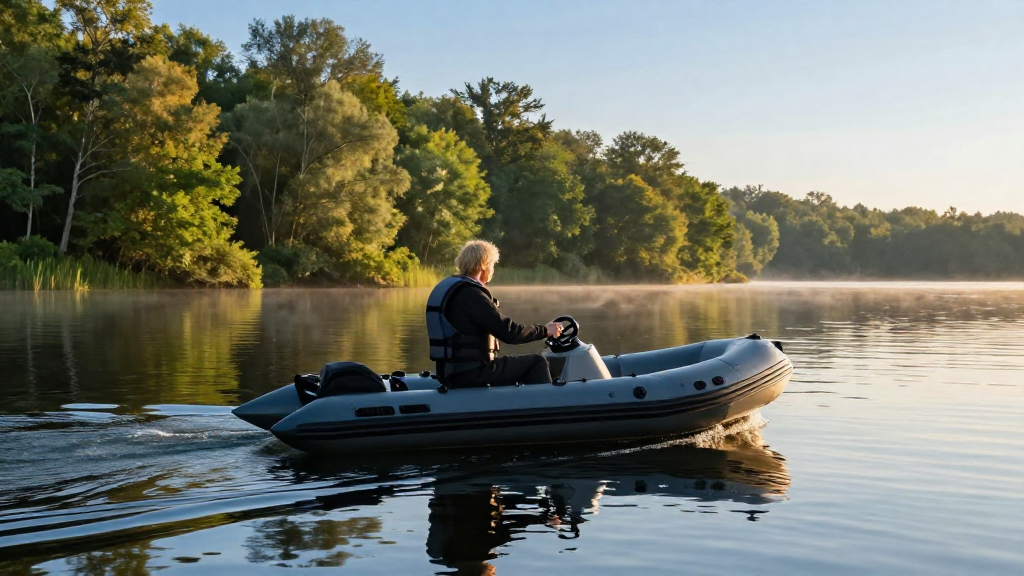
Learning how to drive an inflatable boat can open up a world of adventure on the water.
With the right knowledge and skills, you can explore lakes, rivers, and coastal areas safely and efficiently.
In this article, we will delve into practical tips and guidelines to help you navigate your inflatable boat with confidence.
What Do You Need to Know Before Driving an Inflatable Boat?
Before heading out onto the water, it’s essential to familiarize yourself with the fundamentals of inflatable boat operation.
1. Understand Your Boat’s Specifications
- Maximum Capacity: Ensure you know how many people and how much gear your boat can safely hold.
- Weight Limits: Being aware of the weight limit prevents capsizing and enhances stability.
- Type of Inflatable Boat: Different types offer various capabilities. Research the specific model you own.
2. Safety Gear
Be equipped with the necessary safety gear to ensure a safe experience.
– Life Jackets: Ensure every passenger wears a properly fitted life jacket.
– Whistle or Horn: A signaling device is crucial for emergencies.
– First Aid Kit: Be prepared for any injuries that might occur during your outing.
– Fire Extinguisher: If your boat has a motor, it’s wise to keep a fire extinguisher on board.
3. Know the Local Regulations
Different areas have specific regulations regarding boating.
Familiarize yourself with:
– Local Boating Laws: Check for licensing requirements and any local boating ordinances.
– Navigation Rules: Understand the right of way, speed limits, and no-wake zones.
How Do You Prepare Your Inflatable Boat?
Preparation is key to how to drive an inflatable boat safely.
1. Inspect Your Equipment
Before setting out, conduct a thorough inspection of your boat.
– Check for Leaks: Inflate the boat fully and listen for air leaks.
– Hardware Inspection: Ensure that all valves, oars, and ropes are in good condition.
– Floatation Components: Make sure all paddles or motors are functioning properly.
2. Inflating the Boat
- Use a Quality Pump: Ensure you’re using a pump suitable for the specific type of inflatable boat.
- Achieve Proper Pressure: Follow manufacturer guidelines for optimal inflation.
- Secure All Valves: Ensure the valves are secured to prevent air leaks while on water.
What Are the Best Practices for Driving an Inflatable Boat?
Now that you’re prepared, let’s dive into the best practices for effectively learning how to drive an inflatable boat.
1. Learn Basic Maneuvers
- Turning: Shift your weight towards the direction you want to turn.
- Acceleration and Braking: Gradually increase and decrease throttle to maintain stability.
- Know Your Trim: Adjust the trim of your motor to facilitate optimal performance based on water conditions.
2. Navigate Safely
- Stay Aware of Your Surroundings: Regularly check for other boats, swimmers, and obstacles.
- Watch for Weather Changes: Sudden weather changes can pose risks. Keep an eye on the clouds and wind conditions.
- Respect the Water: Be aware of currents, tides, and shallows.
How Can You Ensure Passenger Safety?
Safety isn’t just about the driver — it’s about everyone onboard.
Here’s how to ensure everyone is safe while you learn how to drive an inflatable boat.
1. Conduct a Safety Briefing
Before setting sail, conduct a safety briefing with your passengers.
– Emphasize the importance of wearing life jackets.
– Explain emergency procedures and how to use safety equipment.
2. Maintain a Safe Speed
- Always operate your boat at a safe speed appropriate for your surroundings.
- Follow speed limits and lower your speed in crowded areas or when proximity to shore.
3. Secure Loose Items
- Ensure that all gear is securely stowed to prevent it from becoming a projectile.
- Straps or storage compartments can help keep things in place.
What Should You Do in an Emergency?
Even with proper preparation, emergencies can occur while you’re learning how to drive an inflatable boat.
Here’s what you should do:
1. Stay Calm
- In any emergency, maintaining composure is key.
- Panic only complicates the situation.
2. Assess the Situation
- Quickly determine the nature of the emergency — is it a mechanical failure? A medical issue?
- Identify any immediate dangers.
3. Communicate and Signal for Help
- Use your whistle, horn, or a phone to alert local authorities if needed.
- Always have a flotation device ready to throw if someone falls overboard.
When Is the Best Time to Drive an Inflatable Boat?
Choosing the right time to go out can affect your safety and enjoyment on the water.
1. Weather Considerations
- Ideal conditions are clear skies, light winds, and moderate temperatures.
- Avoid storms or extremely windy days that can cause dangerous waves.
2. Time of Day
- Early morning or late afternoon often provide calmer waters and less traffic.
- Sunset can also bring stunning views, but be aware of fading light.
Conclusion: Ready to Drive Your Inflatable Boat Safely?
Now that you have guidelines on how to drive an inflatable boat safely, you are equipped for adventure.
Remember to prioritize safety, follow local regulations, and keep a steady hand on the throttle.
With these tips, you’ll be prepared for a fun and safe outing on the water.
Explore and enjoy the freedom of navigating lakes and rivers like never before!
Happy boating!