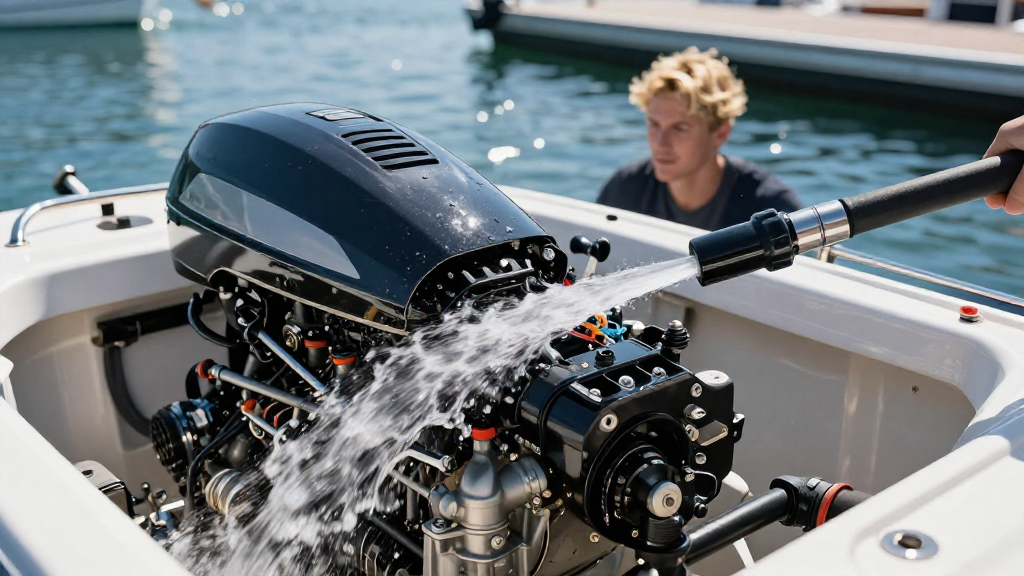
If you’re a boat owner, understanding how to flush a boat engine is essential for maintaining your vessel’s performance and longevity.
Saltwater is corrosive, and without proper care, it can lead to significant damage over time. In this article, we’ll explore the step-by-step process of flushing your boat engine and provide some additional tips to ensure your engine remains in optimal condition.
What Are the Key Reasons to Flush a Boat Engine?
Flushing your boat engine is crucial for several reasons:
-
Prevent Corrosion: Saltwater can lead to rust and corrosion in your engine components. Regular flushing helps eliminate salt deposits.
-
Increase Lifespan: Routine maintenance, including flushing, can significantly extend the life of your engine by keeping it clean and properly functioning.
-
Improve Performance: A clean engine operates more efficiently, leading to better fuel economy and overall performance.
-
Avoid Costly Repairs: Preventing salt build-up can save you from expensive engine repairs down the line.
When Should You Flush a Boat Engine?
It’s important to know when to flush your engine. Generally, it’s advisable to flush your boat engine after every trip in saltwater.
However, if you’ve been cruising in freshwater, the need for flushing is less critical.
If you’re uncertain, it’s always a good idea to inspect your engine regularly.
How to Flush a Boat Engine: Step-by-Step Guide
Now, let’s delve into the specifics of how to flush a boat engine. The process can vary slightly depending on the type of engine you have—outboard, inboard, or sterndrive.
Step 1: Gather Your Supplies
Before you start, ensure you have the following items ready:
- Freshwater hose or flushing kit
- Flushing ears (for outboard engines)
- Bucket (if needed for certain models)
- Water source
Step 2: Prepare Your Boat
-
Dock your boat in a safe area where you can easily access the engine.
-
Turn off the engine and let it cool down. This is essential for safety and to prevent burns.
-
Remove any covers or access panels to reach your engine easily.
Step 3: Connect Water Source
For Outboard Engines:
-
Attach flushing ears. These are specially designed adapters that connect to your outboard’s water intake.
-
Connect your freshwater hose to the flushing ears. Ensure it’s securely attached and there are no leaks.
For Inboard Engines:
- Locate the engine’s intake and attach the freshwater hose directly to it, or use a bucket method.
Step 4: Start the Engine
-
Start your engine while the water supply is running.
-
Let it run for about 5 to 10 minutes. This allows fresh water to circulate through the cooling system and flush out any salt or debris.
Step 5: Turn Off the Engine
-
Shut off the engine after the flushing period.
-
Disconnect the hose and any flushing ears you might have used.
Step 6: Drain the Engine
-
Tilt the engine to ensure any remaining water can fully drain out.
-
Allow it to drain for a few minutes to remove all moisture.
Step 7: Regular Maintenance
Make flushing a part of your regular maintenance routine.
Consider scheduling it with every other oil change or as recommended by your engine manufacturer.
What Should You Do After Flushing?
After you learn how to flush a boat engine, there are a few additional maintenance tips to keep in mind:
-
Inspect the Engine: After every flush, take a moment to inspect hoses, belts, and other components for wear and tear.
-
Change the Oil: Doing so after extensive operations in saltwater is a good idea.
-
Store Boat Properly: If you’re storing your boat long-term, ensure to follow proper winterization procedures.
Can You Use Salt Away Products?
Many boaters wonder if adding specific products can help during the flushing process. Salt Away is a popular cleaning product that helps neutralize and remove salt build-up.
If you choose to use it:
-
Follow the manufacturer’s instructions for proper mixing and application.
-
Use it during your flushing routine for enhanced results.
Conclusion
Knowing how to flush a boat engine is vital for any boat owner who uses their vessel in saltwater.
Taking the time to flush your engine correctly can greatly contribute to its performance and longevity.
By adhering to these simple steps and maintaining a regular schedule, you’ll help ensure your engine remains free of salt build-up and works efficiently for years to come.
Remember, prevention is always better than cure. Happy boating!