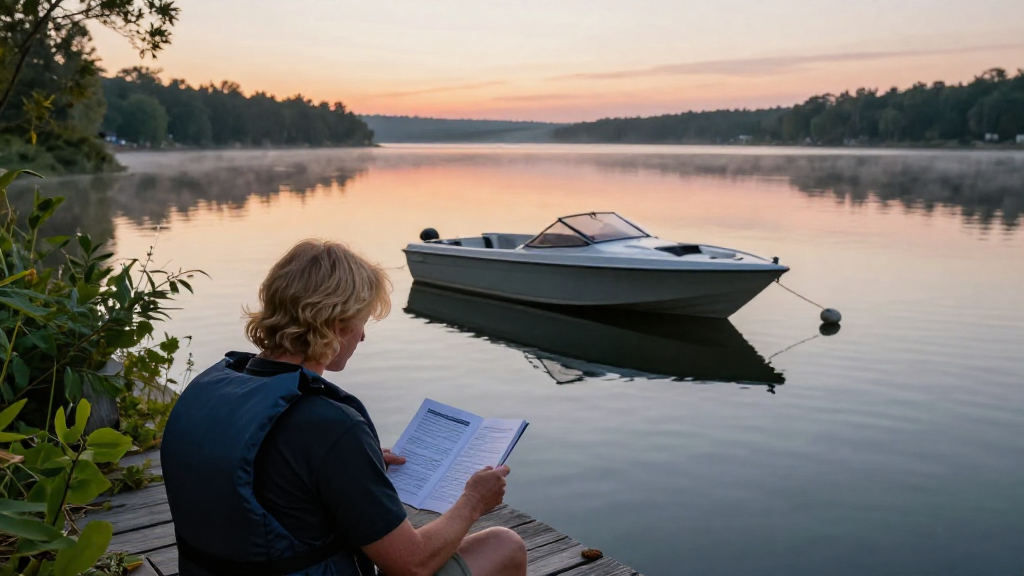
If you’re wondering how to get a boating license, you’re not alone. Many people are eager to hop onto their boats and experience the joys of watercraft activities, but first, they need to navigate through the licensing process.
What is a Boating License?
A boating license is a document that proves you have completed the necessary training and passed the required exams to operate a boat legally. The specifics of obtaining a boating license vary by state and country, but the fundamental goal is the same: ensuring that you understand safety protocols and regulations to enjoy a safe boating experience.
Why Do You Need a Boating License?
To operate most motorized boats, you are required to have a boating license or its equivalent. Here are key reasons why getting a boating license is crucial:
- Safety: Licensing ensures you know basic and advanced safety practices.
- Legal Requirement: Many states enforce laws requiring a boating license.
- Insurance Discounts: Some insurance providers offer lower rates for licensed boat operators.
- Skill Development: A boating course improves your skills and confidence on the water.
How to Get a Boating License: What Are the Steps?
So you might be asking, how to get a boating license quickly? Here is a step-by-step guide to expedite the process:
Step 1: Check Your State’s Requirements
Every state has its own regulations regarding boating licenses.
Visit the National Association of State Boating Law Administrators (NASBLA) website to find the specific requirements in your area.
Here are a few key terms to be aware of:
- Boating Education Courses: Many states require completion of a certified course.
- Age Restrictions: Different age limits may apply for operating certain types of vessels.
- Types of Licenses: Understand if you need a basic license or a more advanced one based on boat size.
Step 2: Choose a Boating Course
To learn how to get a boating license, you will likely need to complete a boating safety course. Here are popular options:
- In-Person Classes: Offered by local organizations or community colleges.
- Online Courses: Many accredited websites offer flexible learning environments.
- Hands-On Training: Some courses include practical boat handling sessions on the water.
Choose a course that is recognized by your state to ensure its validity.
Step 3: Register for the Course
Once you’ve decided on a course, register as soon as possible.
- Online Registration: Most online courses allow for instant sign-ups.
- Class Schedule: For in-person classes, check the schedule to find a date that fits.
Make sure you have the necessary materials ready, such as identification and payment information.
Step 4: Complete the Course and Pass the Exam
After registering for a course, put your best foot forward:
- Attend Classes: Whether online or in-person, engage fully with the material.
- Take Notes: Important points will help you prepare for the final assessment.
- Prepare for the Exam: Some courses may offer practice quizzes or resources to help you study.
Once you pass the exam, you will typically receive a temporary certificate that confirms you’ve completed the course.
Step 5: Apply for Your Boating License
After completing the coursework, you can apply for your boating license. Here’s how:
- Gather Necessary Documents: This often includes proof of course completion, identification, and any other state-specific paperwork.
- Submit Your Application: Applications can usually be submitted online or in person at a local boating authority or DMV.
- Pay the Fee: Expect to pay a small fee for processing your license application.
Step 6: Receive Your Boating License
Upon approval, you will receive your boating license, allowing you to operate a boat legally.
Tips to Expedite the Process of Getting Your Boating License
If you’re keen on how to get a boating license fast, consider these time-saving tips:
- Start Early: Begin the process well in advance, especially during peak boating season when classes fill up quickly.
- Choose Online Courses: Opting for an online course can save time, allowing you to complete requirements at your pace.
- Stay Organized: Keep all documents and communications in one place to streamline the application process.
What Are Common Mistakes to Avoid?
While learning how to get a boating license, you might encounter some pitfalls. Here are mistakes to avoid:
- Skipping the Course: Some may think they can bypass training, but it’s essential for safety.
- Neglecting Paperwork: Make sure all necessary documents are completed and submitted with your application.
- Not Checking Validity: Double-check that the course you select is accredited in your state.
Can You Operate a Boat Without a License?
In many places, operating a boat without a license is illegal, and you could face fines or penalties. The rules around this can vary widely, so it’s crucial to check local laws.
Some states do not require a license for small boats or sailboats, but understanding the local requirements is vital for any boat operator.
Final Thoughts: Why You Should Get Licensed
Obtaining a boating license is an important step for anyone looking to enjoy the open water.
From safety regulations to legal requirements, the benefits of being a licensed operator cannot be overstated.
As you ponder how to get a boating license, remember to keep safety, legal duty, and the joy of boating in mind.
Start your journey today, and soon enough, you’ll be navigating the waters with confidence and skill.
By following this guide, you can effectively speed up the process while ensuring that you acquire the knowledge necessary for a safe and enjoyable boating experience. Happy boating!