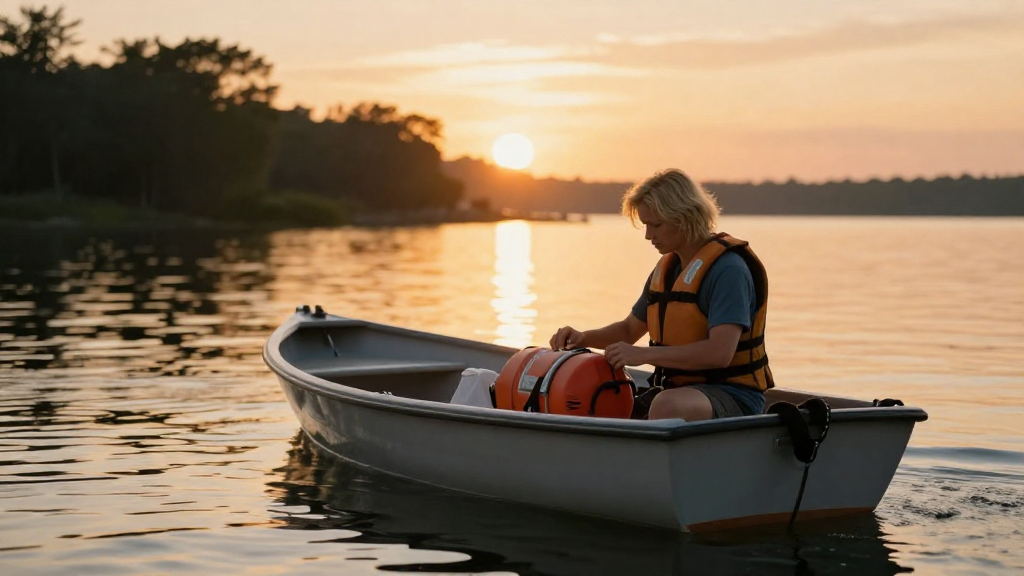
When it comes to enjoying the serenity of the open water, being prepared is key. Knowing how to handle a boating emergency can make all the difference between a minor incident and a life-threatening situation.
What Should You Do First in a Boating Emergency?
In the event of a boating emergency, staying calm is your first and most important step. Panic can cloud judgment and lead to poor decisions.
-
Assess the Situation
– Look around to determine what the nature of the emergency is.
– Identify if there are injuries and who is affected.
– Check the boat’s condition and any immediate threats (such as water taking on or the presence of fuel). -
Keep Your Crew Safe
– Ensure all passengers are wearing life jackets.
– Prevent anyone from taking unnecessary risks, such as jumping into the water. -
Communicate
– Use a marine VHF radio or your phone to call for help.
– Be clear and direct with your message.
– Provide your location, the nature of the emergency, and the number of people on board.
How Can You Stay Calm During a Crisis?
Staying composed in a crisis situation is essential when learning how to handle a boating emergency effectively. Here are some tips to help you maintain your composure:
- Breathe Deeply: Take slow, deep breaths to help reduce anxiety.
- Focus on Solutions: Concentrate on what you can control rather than the things you can’t.
- Think Clearly: When you need to make quick decisions, clarity matters.
What Essential Safety Equipment Should You Have on Board?
Preparation is key in preventing emergencies, and this involves having the right safety equipment. Here’s a checklist of essential items you should have on board:
- Life Jackets: Enough for everyone on board. They should be USCG-approved.
- Fire Extinguisher: Ensure it is easily accessible and in working condition.
- First Aid Kit: Should be stocked with basics like bandages, antiseptics, and pain relief.
- Emergency Flares: These can signal for help in case of a maritime emergency.
- Whistle: A whistle can be heard further than voice can carry and is a great way to get attention.
- Signal Mirror: Can be used to reflect sunlight to attract help.
- Waterproof Flashlight: Ensure you have spare batteries too.
How to Handle Specific Boating Emergencies?
Each type of emergency requires a different approach. Here are some common emergencies and guidelines on how to handle them:
What If You Have an Engine Failure?
- Stay Calm: An engine failure is a common issue, so remain calm.
- Check Your Fuel: Sometimes, the problem can be as simple as running out of gas.
- Try Restarting the Engine: If conditions are safe, attempt to start the engine again.
- Deploy the Anchor: If you’re drifting toward hazards, anchor the boat to prevent collisions.
What If Someone Falls Overboard?
- Shout for Help: Alert everyone onboard immediately.
- Stop the Boat: Bring the boat to a complete stop as soon as it is safe to do so.
- Throw a Lifesaver: If available, toss a flotation device to the person in the water.
- Never Jump In: Unless absolutely necessary, do not jump in after them. You may become another victim.
What Should You Do If You Experience Bad Weather?
- Monitor Weather Reports: Stay updated on weather conditions before heading out.
- Head to Shelter: If you see darkening skies or feel a drop in temperature, make your way to shore.
- Reduce Speed: Slow down to maintain control of the boat.
- Secure Loose Items: Ensure everything onboard is tied down to prevent injuries.
How Important Is Communication in a Boating Emergency?
Communication can be a lifesaver in emergencies. Establishing clear lines of communication will help keep everyone informed and ensure that your message is broadcasted effectively. Here’s how to do it:
- Use the Right Channels: Make sure you know which marine radio channel to communicate on.
- Designate an Assistant: Have someone else help relay information if needed.
- Practice Emergency Scenarios: Regular practice sessions can reduce panic and confusion when real emergencies occur.
Why Is Preparation Key to Handling Emergencies?
Preparation goes hand-in-hand with knowing how to handle a boating emergency. The more prepared you are, the calmer and more confident you will be in a crisis. Here’s how to prepare:
- Take a Boating Safety Course: Familiarize yourself with basic protocols and emergency guidelines.
- Conduct Regular Drills: Practice emergency scenarios with your crew to ensure everyone knows their roles.
- Inspect Your Vessel Regularly: Maintain your boat and inspect safety equipment on a scheduled basis.
- Stay Informed: Make sure you’re aware of local laws and regulations regarding boating safety.
How Do You Continue to Learn and Improve?
Learning to handle a boating emergency is an ongoing process. Here are ways you can keep improving your knowledge and skills:
- Read Guides and Manuals: Familiarize yourself with local boating regulations and best practices.
- Engage in Online Courses: Websites like the U.S. Coast Guard Auxiliary provide valuable resources.
- Join Local Boater Associations: Network with other boaters to share experiences and tips.
- Attend Workshops: Look for community workshops that focus on boating safety and emergency preparedness.
In Conclusion
Knowing how to handle a boating emergency is critical for ensuring the safety of yourself and your crew.
By preparing in advance and remaining calm during a crisis, you will be better equipped to manage whatever challenges the open water throws at you.
Always remember the importance of regular training, the right equipment, and clear communication to handle a boating emergency effectively.
Stay safe, respect the sea, and enjoy your time on the water knowing you’re well-prepared.