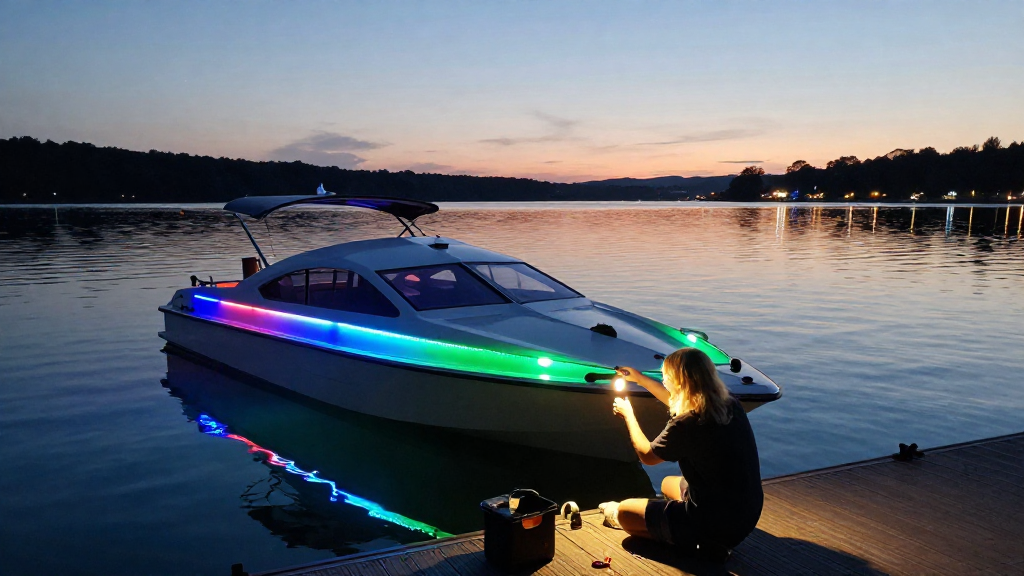
Installing LED lights on a boat can significantly enhance your nighttime adventures on the water.
Not only do these lights offer better visibility, but they also add an aesthetic appeal to your vessel.
In this article, we will cover how to install LED lights on a boat, ensuring you have all the information you need for a successful installation.
What Types of LED Lights Can You Install?
When it comes to LED lights for boats, there are several options to consider:
- Interior Lights: Ideal for cabin spaces, they provide a warm ambiance.
- Exterior Lights: Perfect for illuminating the deck, they enhance safety.
- Underwater Lights: These create stunning visual effects beneath the water’s surface.
- Navigation Lights: Essential for compliance with maritime regulations, they ensure you are visible to other vessels.
- Flood Lights: Suitable for illuminating larger areas, these are great for fishing or dock work.
Each type serves different purposes, so choose based on your needs for functionality and aesthetics.
How Do You Prepare for the Installation?
Preparation is critical for ensuring a smooth LED light installation on your boat. Here’s a step-by-step guide to get you started:
-
Select the Right LED Lights:
– Ensure they are marine-grade to withstand harsh conditions.
– Choose waterproof options for areas exposed to water. -
Gather Your Tools:
– Screwdrivers
– Wire strippers
– Heat shrink tubing
– Marine-grade adhesive
– Electrical tape
– Voltage meter -
Read the Instructions:
– Familiarize yourself with the specific instructions provided by the manufacturer of your LED lights. -
Choose the Ideal Locations:
– Determine where you want to install the lights for optimal visibility and aesthetics.
How to Install LED Lights on a Boat Step-by-Step?
Now that you’re prepared, let’s dive into how to install LED lights on a boat with this detailed step-by-step process.
Step 1: Turn Off Power
Before you begin, make sure to disconnect the battery power to avoid any electric shock while working.
Step 2: Mark Placement for LED Lights
Use a pencil or masking tape to mark where you want to install the LED lights. It’s important to ensure your lights are installed in areas where they won’t be obstructed or cause hazards.
Step 3: Drill Holes (if necessary)
If required, drill holes for the LED lights according to the size of the fixtures you are installing.
Tip: Make sure to use a suitable drill bit and take precautions to avoid damaging your boat.
Step 4: Run the Wires
Route the wires from the lights to your power source.
This may involve making a wiring harness to keep everything organized.
Here are some tips on running your wires:
- Use a wire loom to protect the wires and ensure a neat appearance.
- Avoid running wires near hot engine parts or places that can cause wear and tear.
Step 5: Connect the Wires
Once the wires are routed, connect them to your power source.
- Use a voltage meter to ensure the wiring is correct.
- Follow the diagrams provided with your LED lights.
- Typically, you will connect the positive wire of the LED to the positive power source and the negative wire to a ground.
Important: If you are uncertain about the connections, consult a marine electrician to avoid any mistakes.
Step 6: Seal Connections
After making all the necessary connections, use heat shrink tubing or marine-grade adhesive to seal and protect the areas where you made connections.
This can help prevent corrosion, which is particularly important in a marine environment.
Step 7: Test the Installation
Reconnect your boat’s battery and test the LED lights to ensure everything functions as intended.
- If they do not work, double-check your connections and wiring.
Step 8: Secure and Finalize
Once everything is confirmed to be in working order, secure any loose wires with electrical tape and ensure they are tucked away safely.
You can now secure the LED fixtures in their placements if applicable, using the included screws or adhesive.
What Maintenance Do LED Lights Require?
While LED lights are known for their durability, some maintenance will ensure their longevity on your boat.
Routine Checks
- Inspect the lights regularly for any signs of corrosion.
- Make sure connections remain secure.
- Clean the fixtures if there is buildup or residue from salt water.
Replacing Lights
- Be prepared for occasional replacements. Although LED lights last significantly longer than traditional bulbs, they are still subject to burning out.
Why Should You Choose LED Lights?
When deciding on LED lights for your boat, consider the following advantages:
- Energy-Efficient: They consume less power than traditional lighting options, resulting in extended battery life.
- Long Lifespan: LED lights can last for thousands of hours, reducing replacement costs.
- Bright and Clear Light: They provide superior brightness and visibility compared to incandescent bulbs.
- Durable: Resilient against shock and vibrations, making them ideal for marine environments.
Conclusion
Understanding how to install LED lights on a boat significantly enhances your boating experience.
With the right preparation and tools, you can successfully install these lights, improving both visibility and aesthetics.
Remember to choose quality, marine-grade products and follow safety precautions during installation.
By taking these steps, you’ll ensure your boating adventures are safe and enjoyable, illuminating your journey throughout the night.
Happy boating!