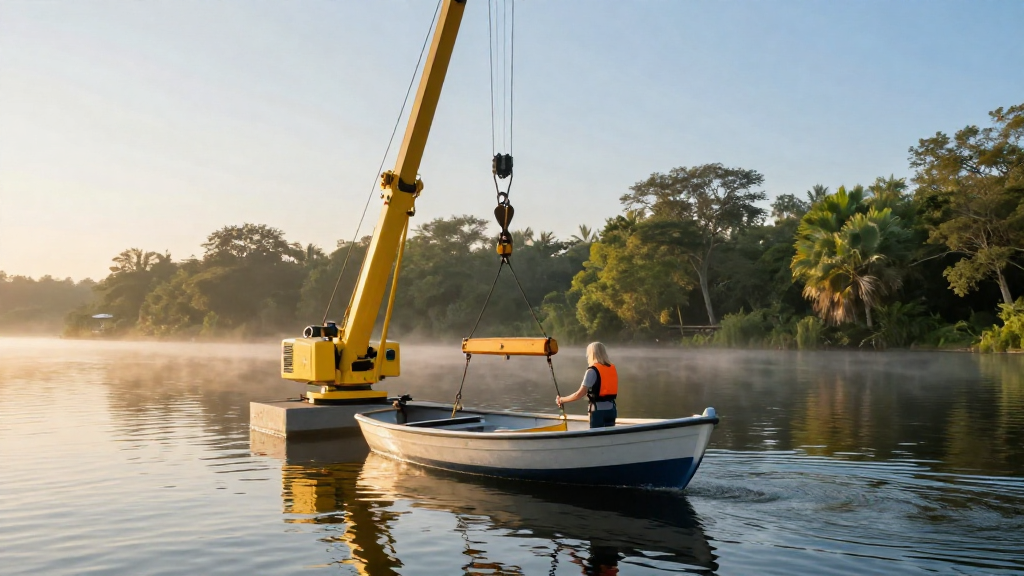
Lifting a boat out of the water is an essential skill for boat owners, maintenance workers, and enthusiasts alike.
Understanding how to lift a boat out of water safely ensures the vessel remains undamaged and that you avoid injuries during the process.
In this article, we provide a comprehensive guide on safely lifting your boat out of the water, covering key techniques, tools, and safety measures.
Why is it Important to Lift a Boat Safely?
Lifting a boat out of the water comes with its own set of challenges.
When done incorrectly, it can lead to:
– Damage to the hull: Improper lifting may cause stress fractures.
– Injuries: Incorrect techniques can lead to accidents or injuries.
– Environmental concerns: Spillage of oils or fuels during lifting can harm aquatic ecosystems.
Thus, learning how to lift a boat out of water safely is crucial for both you and the environment.
What Equipment Do I Need?
Before you start lifting your boat, ensure you have the proper equipment to make the process smooth and safe.
Here are the essential tools you will require:
-
Boat Hoist or Crane
– This is one of the safest ways to lift a boat out of the water.
– Ensure that the hoist or crane has an adequate load capacity for your boat’s weight. -
Slings or Straps
– Use wide, padded slings or straps that will not damage the hull.
– Ensure they’re rated for the weight of your boat. -
Block and Tackle
– This is useful for smaller boats and can provide mechanical advantage while lifting. -
Winch
– A winch is particularly helpful for hauling boats out of the water on a trailer. -
Safety Gear
– Wear gloves to protect your hands.
– A hard hat can also be beneficial, especially in rugged environments.
Having the right equipment in place is the first step in learning how to lift a boat out of water safely.
How Do I Prepare the Boat for Lifting?
Preparation is vital to ensure a smooth lifting process.
Follow these steps:
-
Clear the Deck
– Remove any loose items from the boat’s deck, including gear and personal belongings. -
Drain the Water
– Ensure any water in the bilge is pumped out to reduce the weight. -
Inspect for Damage
– Check the hull for any cracks or weaknesses before lifting. -
Calculate Weight
– Know the weight of your boat to choose the right method and equipment for lifting.
Taking these precautions will help ensure you know how to lift a boat out of water without complications.
What is the Best Method for Lifting a Boat?
There are various methods to lift a boat out of the water, each with its benefits.
-
Using a Forklift
– Ideal for smaller boats, a forklift can efficiently lift the vessel from a driveway or launch area.
– Ensure the forklift is rated for the boat’s weight. -
The Cradle Method
– This involves placing slings around the hull, supporting it while lifting.
– It’s suitable for larger vessels and ensures even weight distribution. -
Trailer Retrieval
– If your boat is on a trailer, use a winch to pull it out of the water at a gradual angle.
– Always secure the trailer fully before beginning the lift. -
Boat Lift Systems
– These are excellent options if your boat stays in the water for extended periods.
– Boat lifts allow for easy raising and lowering without causing harm to the vessel.
Each of these methods has a unique approach, but they all help answer the question of how to lift a boat out of water safely and effectively.
What Safety Precautions Should I Take?
Safety is paramount when learning how to lift a boat out of water.
Follow these precautions:
- Use Proper Slings: Always use slings rated for the weight of your boat to avoid accidents.
- Have a Spotter: If possible, enlist someone to help guide during the lifting process.
- Check Equipment Regularly: Ensure hoists, straps, and other gear are in good working condition.
- Work in Clear Weather: Avoid lifting in adverse weather conditions such as high winds or rain.
- Stay Aware: Always be mindful of your surroundings and communicate effectively with your team.
By adhering to these safety measures, you can minimize risks and confidently learn how to lift a boat out of water.
When Should I Lift My Boat Out of the Water?
Choosing the right time for lifting your boat can impact both its condition and the lifting process.
Here are some scenarios when lifting is advisable:
-
After a Season of Use
– It’s crucial to lift your boat after heavy usage to inspect and maintain it thoroughly. -
For Maintenance Tasks
– Repairs such as bottom painting, cleaning, or inspections are better performed when the boat is out of the water. -
During Bad Weather
– If severe weather is predicted, it’s wise to lift your boat out of the water to protect it from damage. -
Winter Storage
– For many, lifting the boat at the start of winter ensures it’s stored safely away from freezing temperatures.
Being aware of when to lift your boat will enhance your understanding of how to lift a boat out of water safely.
What is the Final Process After Lifting?
Once you’ve successfully lifted your boat out of the water, the work isn’t done yet.
Complete the following steps:
-
Check for Damage
– Look for any signs of stress or damage that can be fixed while the boat is out of the water. -
Inspect the Bottom
– Check for growth, barnacles, or damage to the hull. Cleaning and making repairs at this time is beneficial. -
Perform Maintenance
– Clean and maintain the engine, electrical systems, and other components while it’s out of the water. -
Store Outdoors or Indoors
– Depending on your storage options, choose a place that protects your boat from elements. -
Document the Process
– Keep a record of your maintenance checks and repairs for future reference.
These final steps are essential to ensure that your knowledge of how to lift a boat out of water translates into successful upkeep and longevity of your vessel.
Conclusion
Learning how to lift a boat out of water is an invaluable skill for every boat owner.
By following the guidelines outlined in this article, you can ensure a safe and effective lifting process, maintaining the integrity of your vessel while ensuring that you and those around you remain safe.
Always prioritize safety, use the right tools, and don’t hesitate to seek assistance when necessary.
By doing so, you can confidently navigate the world of boat maintenance while enjoying the waters for years to come.