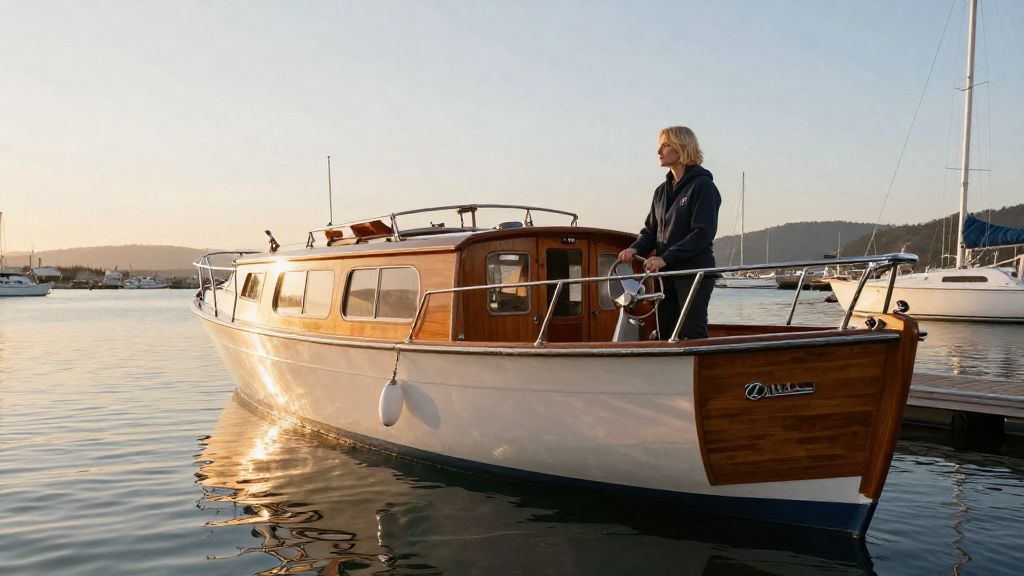
Navigating a cabin cruiser requires skill and knowledge.
In this article, we will delve into expert tips and practical advice on how to navigate a cabin cruiser like a pro, making your boating experience not only enjoyable but safe.
What Are the Basics of Cabin Cruiser Navigation?
Before diving into the intricacies of how to navigate a cabin cruiser, it’s essential to understand the fundamental aspects of boat navigation:
-
Know Your Vessel:
– Familiarize yourself with the layout, controls, and instrumentation of your cabin cruiser.
– Understand how the engine, navigation systems, and safety equipment work. -
Read Nautical Charts:
– Charts provide essential information about water depths, hazards, and navigation aids.
– Learning how to interpret these charts will significantly enhance your navigation skills. -
Use Navigation Tools:
– Equip yourself with tools such as a compass, GPS, and depth sounder.
– These instruments will assist in determining your position and guiding your route.
How Do You Prepare for a Cruising Trip?
Preparation is key when learning how to navigate a cabin cruiser effectively. Here’s what you should do before you set sail:
-
Check Weather Conditions:
– Always review weather forecasts to avoid dangerous conditions.
– Consider wind speeds, wave heights, and potential storms. -
Plan Your Route:
– Plot your course on a nautical chart.
– Identify waypoints and consider alternative routes in case of unexpected obstacles. -
Inspect Equipment:
– Perform a thorough check of your cabin cruiser.
– Ensure that navigation systems, safety gear, communication devices, and engine are in working order.
What Navigation Techniques Should You Use?
Once you’ve prepared, it’s time to apply navigation techniques. Knowing how to navigate a cabin cruiser involves the following methods:
1. Visual Navigation
Visual navigation relies on your ability to see landmarks, buoys, and other vessels.
- Know Your Landmarks: Identify key physical features that can guide your way.
- Watch for Navigational Aids: Utilize buoys and beacons; they indicate safe passage areas and potential hazards.
2. Dead Reckoning
Dead reckoning is a process to estimate your current position based on a previously known location, direction, and speed.
- Keep Track of Speed and Direction: Maintain a log of your course and speed.
- Adjust for Tides and Currents: Factor in water conditions that may affect your calculations.
3. GPS Navigation
Modern cabin cruisers often come equipped with GPS technology.
- Utilize Your GPS System: Input waypoints and monitor your position in real-time.
- Double-Check with Charts: Even with GPS, it’s wise to cross-reference with nautical charts.
How Do You Use Technology for Navigation?
In our increasingly technological world, knowing how to navigate a cabin cruiser with technology is crucial. Here are some tools you can use:
-
Marine Navigation Apps:
– Download applications that offer charts, weather updates, and navigational assistance directly to your smartphone or tablet. -
Radar Systems:
– Use radar to detect other vessels and obstacles, particularly in low visibility conditions.
– It’s a valuable tool for safe navigation, especially at night or during fog. -
Automatic Identification System (AIS):
– AIS helps in identifying other vessels nearby and can provide useful information on their speed and direction.
What Safety Protocols Should You Follow?
Safety should always be a priority when learning how to navigate a cabin cruiser. Here are essential safety protocols to follow:
-
Wear Life Jackets:
– Ensure all passengers wear appropriate life jackets at all times. -
Keep Communication Devices Ready:
– Always have a VHF radio or another reliable communication device available.
– Establish a communication plan with someone on land. -
Conduct Safety Drills:
– Familiarize everyone on board with safety procedures.
– Practice man-overboard drills and emergency protocols.
What Should You Do in Case of Emergencies?
Knowing how to handle emergencies is vital for safe navigation. Here’s what you should be prepared for:
-
Engine Failure:
– Remain calm and assess the situation.
– Try to restart the engine, and if unsuccessful, raise an anchor and call for assistance via your communication device. -
Bad Weather:
– Keep an eye on sudden weather changes and be ready to seek shelter.
– Slowly navigate away from hazardous areas and find a safe port. -
Accidents with Other Vessels:
– Prioritize safety and check for injuries on both vessels.
– Exchange information with the other parties and file an accident report if necessary.
How Do You Enhance Your Cabin Cruiser Skills?
To become truly adept at how to navigate a cabin cruiser, consider expanding your knowledge and skills through the following methods:
-
Take Navigation Courses:
– Enroll in boating safety and navigation courses offered by recognized organizations.
– Knowledge gained from these classes will deepen your understanding of navigation principles. -
Practice Regularly:
– Spend time on your cabin cruiser practicing different navigation scenarios.
– Familiarize yourself with various environments, such as lakes, coastal areas, or rivers. -
Join a Boating Community:
– Connect with fellow boating enthusiasts.
– They can provide valuable tips, share experiences, and offer guidance.
Conclusion
Navigating a cabin cruiser like a pro is an art that combines knowledge, skills, and preparation.
By understanding the basics of navigation, utilizing technology, following safety protocols, and continuously enhancing your skills, you will be well-equipped to tackle any water adventure.
Practicing how to navigate a cabin cruiser regularly ensures that you not only enjoy your time on the water but also stay safe and confident in your abilities.
So gear up, plan your route, and set sail with the confidence of a seasoned navigator!