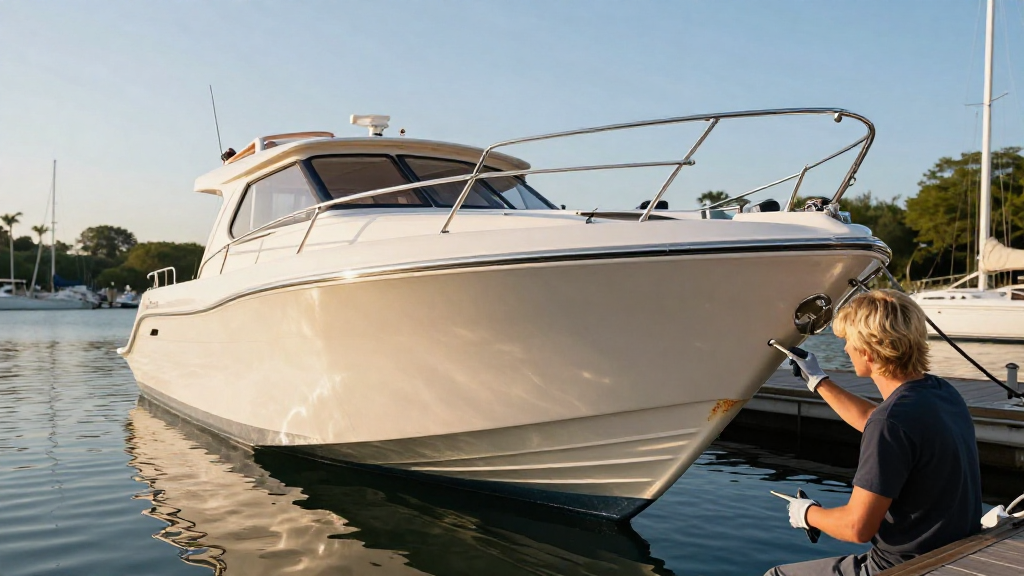
When it comes to maintaining the longevity of your vessel, understanding how to prevent boat corrosion is essential.
Corrosion can wreak havoc on your boat’s structure, mechanics, and aesthetics. In this article, we will explore effective strategies and practices to protect your investment from the damaging effects of saltwater and humidity.
What Causes Boat Corrosion?
First, it’s important to understand what contributes to boat corrosion.
Corrosion occurs as a chemical reaction between metals and moisture, especially in marine environments. The following factors accelerate this process:
- Saltwater Exposure: Salt acts as an electrolyte, speeding up the corrosion rate.
- Electrolysis: It occurs when dissimilar metals are in contact within a conductive environment, like water.
- Humidity: Higher humidity levels can increase the chances of rust.
By knowing the causes of corrosion, you can better implement strategies to combat it.
How to Prevent Boat Corrosion: Effective Maintenance Strategies
Now that you understand the causes, let’s dive into how to prevent boat corrosion with some straightforward maintenance practices.
1. Can Regular Cleaning Help?
Yes, regular cleaning is crucial.
- Wash Your Boat: After every outing, especially in saltwater, it’s essential to rinse your boat with freshwater.
- Use Marine Cleaners: Invest in quality marine cleaners that are specifically designed to remove salt and grime.
- Dry Thoroughly: Ensure your boat is completely dried before storing it to avoid moisture accumulation.
2. Should You Use Anti-Corrosion Products?
Absolutely, using anti-corrosion products can significantly enhance your boat’s defenses.
- Apply Anti-Fouling Paint: This special paint prevents barnacles and other marine growth, which can hold moisture against your boat’s surface.
- Use Zinc Anodes: These sacrificial anodes protect your metal parts by corroding first.
- Consider Protective Coatings: Implement advanced coatings, such as ceramic finishes, that can offer additional durability and protection.
3. How Important is Regular Inspections?
Regular inspections are key to catching corrosion early.
- Check for Signs: Keep an eye out for discoloration, flaking paint, and rust spots.
- Inspect Fasteners and Hardware: Ensure that all screws and fittings are tight and in good condition.
- Look Under the Hull: Don’t neglect to inspect the hull and underbelly for signs of corrosion or barnacle growth.
4. What About the Electrical Systems?
Electrical systems can be a hidden source of corrosion.
- Check Connections: Ensure that all electrical connections are secure and free of moisture.
- Use Marine-Grade Wiring: Invest in marine-grade electrical components that are better suited to resist corrosion.
- Install Grounding Systems: These help to prevent electrolysis by ensuring a stable electrical current.
5. Should You Store Your Boat Properly?
Yes, proper storage is essential for preventing corrosion.
- Use a High-Quality Cover: Protect the boat from environmental elements when not in use.
- Choose Dry, Well-Ventilated Storage: Humidity can be a significant contributor to corrosion, so select a location that stays dry.
- Elevate Your Boat: Whenever possible, store your boat out of the water to minimize exposure.
Are There Seasonal Maintenance Tips?
Yes, different seasons require various levels of attention.
Spring Maintenance
- Inspect and Clean the Hull: Ensure no barnacles or algae have made their home on your boat.
- Check the Engine and Electrical Systems: Ensure everything is functioning correctly after winter storage.
Summer Maintenance
- Routine Cleaning After Use: As you’re likely using your boat frequently, daily cleaning can make a significant difference.
- Check for Electrolysis: Monitor your boat in the water frequently to catch any electrical issues early.
Fall Maintenance
- Decommission After Season: Clean, dry, and store your boat correctly before winter sets in.
- Apply a Fresh Layer of Anti-Fouling Paint: This will prepare your vessel for next season.
Winter Maintenance
- Indoor Storage: If possible, store your boat indoors during the winter months.
- Cover and Protect: If stored outside, use protective covers to guard against snow and ice build-up.
What Are Common Signs of Corrosion?
Being able to identify the signs of corrosion early can save you significant time and money.
- Blistering Paint: A clear indicator that moisture is trapped underneath.
- Rust Patches: Discoloration on metal components usually signifies corrosion.
- Deteriorating Gelcoat: If the surface finish of your boat begins to delaminate, it can point to underlying corrosion.
- Weakening Fasteners: If screws and bolts show signs of rust or deterioration, it’s a sign you need to act.
Conclusion: How to Prevent Boat Corrosion Effectively
Understanding how to prevent boat corrosion can save you from costly repairs and maintenance in the future.
By implementing simple yet effective strategies—like regular cleaning, using anti-corrosion products, and performing regular inspections—you can significantly extend the lifespan of your boat.
Remember, prevention is key.
By taking these proactive measures, you can enjoy your boat for years to come, maintaining its beauty and functionality.
So gear up, get your cleaning supplies ready, and apply these tips to keep corrosion at bay!