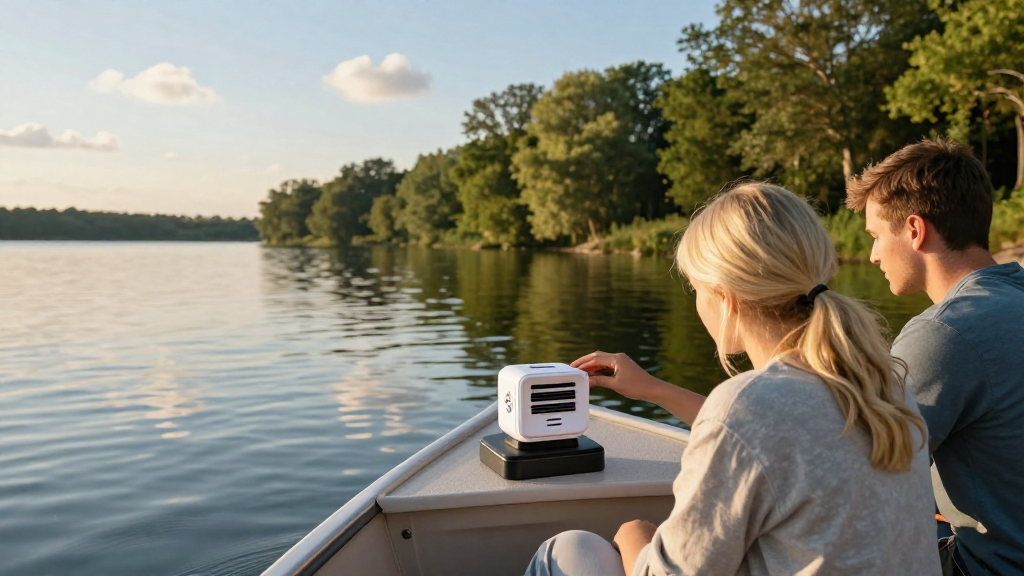
Carbon monoxide (CO) poisoning is a silent threat that can occur unexpectedly, particularly on boats.
Understanding how to prevent carbon monoxide poisoning on a boat is essential for ensuring the safety of everyone on board.
What is Carbon Monoxide and Why Is It Dangerous on a Boat?
Carbon monoxide is an odorless, colorless gas produced by burning fuels.
On a boat, sources of carbon monoxide can include:
– Engines
– Generators
– Grills
– Heating systems
The danger lies in its ability to accumulate in confined spaces, leading to harmful levels that can cause serious health issues or even death.
What Are the Symptoms of CO Poisoning?
Recognizing the symptoms of carbon monoxide poisoning is vital so that you can quickly respond in case of exposure.
Common symptoms include:
– Headaches
– Dizziness
– Nausea
– Confusion
– Shortness of breath
– Fatigue
If you or anyone on board starts experiencing these symptoms, it’s crucial to act immediately.
How to Prevent Carbon Monoxide Poisoning on a Boat: Important Steps
To ensure a safe boating experience, you must be proactive in understanding how to prevent carbon monoxide poisoning on a boat.
Here are essential steps to take:
1. Install CO Detectors
Having a carbon monoxide detector on your boat can be a lifesaver.
- Position it correctly: Install the detector in a location where it can effectively monitor the air, preferably near sleeping areas or engine compartments.
- Test and maintain: Regularly check that the CO detector is functioning properly and replace batteries as needed.
2. Ensure Proper Ventilation
Proper ventilation prevents the buildup of carbon monoxide on the boat.
- Open hatches and windows: Always ensure your hatches and windows are open, especially when running engines or generators.
- Avoid enclosed spaces: If anyone is using the grill or heating units, make sure they are in open areas where carbon monoxide can disperse.
3. Monitor Engine and Generator Operations
Be mindful of how long you run your engines and generators.
- Limit usage: Only run engines and generators while the boat is moving or if absolutely necessary while anchored.
- Check exhaust systems: Regular inspections for leaks in the exhaust system can catch any potential issues before they become critical.
4. Educate All Passengers
Education is a powerful tool in how to prevent carbon monoxide poisoning on a boat.
- Conduct safety briefings: Before setting sail, brief all passengers on the dangers of CO poisoning and what symptoms to look for.
- Assign roles: Designate someone to monitor for symptoms while another person operates equipment.
What are Safe Practices When Anchored or Moored?
When your boat is anchored or moored, you need to take extra precautions to prevent CO poisoning.
- Position away from exhaust sources: Always anchor your boat away from other vessels’ exhaust.
- Be mindful of wind direction: Monitor wind direction, as it can carry exhaust fumes toward your boat.
- Turn off engines and generators: Whenever possible, switch off engines or generators while you’re stationary.
Can You Use Appliances Safely?
Using appliances safely on board is crucial in how to prevent carbon monoxide poisoning on a boat.
- Use propane and alcohol safely: Ensure that these devices are properly ventilated and used according to the manufacturer’s instructions.
- Avoid using the stove or grill while in confined spaces: Only utilize these appliances in open environments.
What are the best practices for outboard engines?
If your boat is equipped with an outboard motor, you should be aware of unique safety practices.
- Inspect regularly: Ensure that outboard motors are well-maintained and free of any exhaust leaks.
- Keep an eye on idle time: Limit idling time to reduce carbon monoxide emissions.
How Can You React if Someone Shows Symptoms?
In the unfortunate event someone shows symptoms of CO poisoning, it’s essential to act quickly.
- Move them to fresh air immediately: Get the affected individual away from the source of carbon monoxide.
- Call for help: Contact emergency services and explain the situation.
- Monitor their condition: Keep a close watch on their symptoms until help arrives.
How Often Should You Conduct Safety Drills?
Conducting regular safety drills can enhance everyone’s knowledge about preventing carbon monoxide poisoning.
- Schedule drills: Make it a habit to conduct safety drills at the beginning of each boating season.
- Involve everyone: Ensure all passengers, particularly children and new boaters, are included in these drills.
Conclusion: The Importance of Prevention
Preventing carbon monoxide poisoning on your boat requires vigilance and education.
By following the steps outlined above on how to prevent carbon monoxide poisoning on a boat, you can create a safe environment for you and your guests.
Remember to regularly check your safety equipment, educate your passengers, and stay aware of your surroundings.
Awareness and preparation are key to enjoying safe and enjoyable boating experiences!