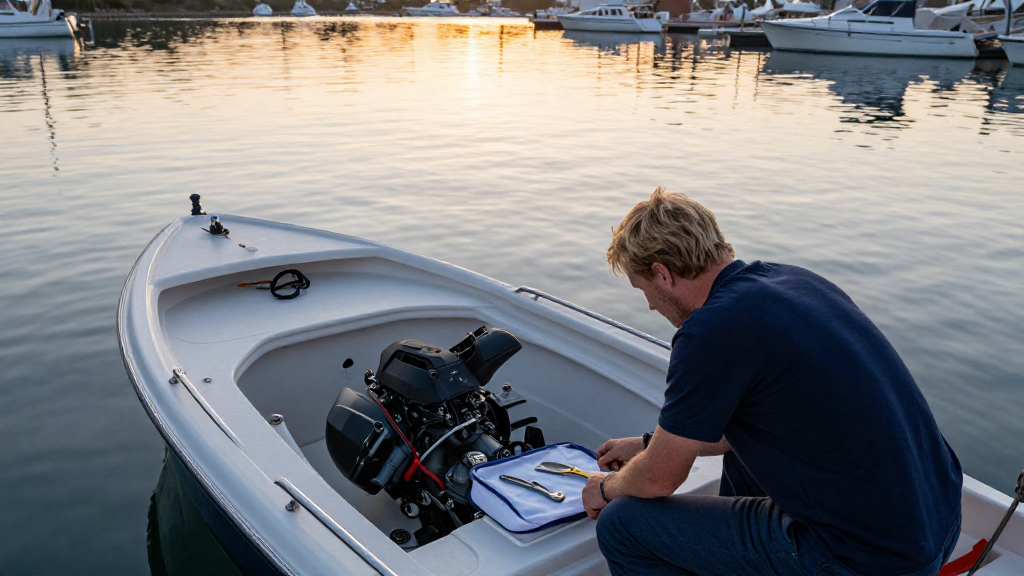
Maintaining a boat properly is crucial for its longevity and performance. It’s equally important to consider the environmental impact of boat maintenance. This article explores how to prevent oil spills on a boat, ensuring you are responsible and eco-friendly while keeping your vessel in top shape.
Why Is It Important to Prevent Oil Spills on a Boat?
Preventing oil spills on a boat doesn’t just protect marine life; it also safeguards your vessel and your reputation as a responsible boat owner.
Having an oil spill can lead to serious environmental damage, harm aquatic ecosystems, and even result in significant fines. Additionally, the cleanup costs can be astronomical. Thus, understanding how to prevent oil spills on a boat is essential.
What Steps Can You Take During Boat Maintenance?
There are several critical measures you can adopt during boat maintenance to minimize the risk of oil spills. Here’s a concise checklist of practices to implement:
-
Choose the Right Location
– Always perform maintenance activities at designated areas equipped with spill containment measures.
– Consider using a drip pan or spill pads to catch any accidental drips. -
Inspect Equipment Regularly
– Regularly inspect hoses, connections, and fittings for wear and tear.
– Replace any damaged components immediately to prevent leaks. -
Use Oil Absorbent Materials
– Keep oil absorbent pads and booms on hand.
– These materials can quickly soak up any spills that do occur and will limit the spread. -
Handle Oil and Fuel Responsibly
– When transferring oil or fuel, use appropriate funnels.
– Do not overfill tanks to avoid spills; always leave room for expansion. -
Regular Maintenance Procedures
– Be diligent about changing your oil at recommended intervals.
– Dispose of used oil and filters in accordance with local disposal regulations. -
Educate Yourself and Your Crew
– Conduct training for yourself and your crew on how to handle potential spills.
– Familiarize everyone with the proper cleanup techniques.
What Should You Keep on Board?
Equipping your boat with essential spill prevention supplies is crucial. Here’s a handy list of items you should have on board:
- Oil absorbent pads
- Booms and socks for containment
- Spill kits with all necessary tools
- Protective gear such as gloves and goggles
- Buckets for collecting spills
Having these items readily accessible makes it easier to deal with spills quickly and efficiently should they occur.
How Can Regular Maintenance Help Prevent Oil Spills?
Regular maintenance is key to preventing oil spills on a boat. Inspections and timely repairs can catch potential leaks before they become a larger problem.
- Check oil levels and quality regularly.
- Flush old oil properly, ensuring it goes into specific containers that follow proper disposal methods.
- Maintain a strong schedule for checking all engine components relevant to oil handling.
By staying proactive with your maintenance routine, you significantly reduce the likelihood of spills.
What Is the Role of Proper Storage in Spill Prevention?
Where you store oil and maintenance materials matters significantly in preventing oil spills on a boat.
- Store in Leak-Proof Containers: Always keep oil in sealed, approved containers.
- Use Secondary Containment: Have a secondary container or tray for larger storage units, ensuring spills are contained.
Storing materials properly reduces the risk of accidental spills during routine maintenance.
How to Respond Quickly to a Spill Incident?
Even with the best precautions, spills can happen. Here’s how to react effectively:
-
Assess the Situation: Quickly determine the size and source of the spill.
-
Contain the Spill: Use booms or absorbent pads to encircle the spill and prevent it from spreading.
-
Notify Authorities: Depending on the size of the spill, you may need to report it to local environmental agencies.
-
Clean Up: Use your spill kit materials to clean up the area thoroughly.
-
Document the Incident: Keep a record of what happened, including how much oil was spilled and how it was managed. This can be useful for future reference.
What Are the Legal Obligations for Oil Spill Prevention?
Understanding your legal obligations related to oil spills is an integral part of being a responsible boat owner. Under various environmental regulations, you might be required to:
- Report spills, depending on their volume and impact.
- Implement spill response plans if your boat’s capacity exceeds certain thresholds.
Always keep yourself informed regarding local laws and regulations related to oil spill prevention.
Conclusion
Preventing oil spills during boat maintenance is a shared responsibility.
By taking steps such as selecting the right maintenance locale, using proper equipment, educating those involved in the process, and adhering to best practices, you can effectively mitigate the risk of oil spills on your boat.
Incorporating these tips into your routine not only helps protect valuable aquatic ecosystems but also ensures your boat maintenance is efficient and sustainable. As a conscientious boat owner, remember that every action counts when it comes to safeguarding our waterways.
Whether you’re an experienced sailor or new to the maritime world, learning how to prevent oil spills on a boat will make you a more responsible and environmentally-aware boat owner.