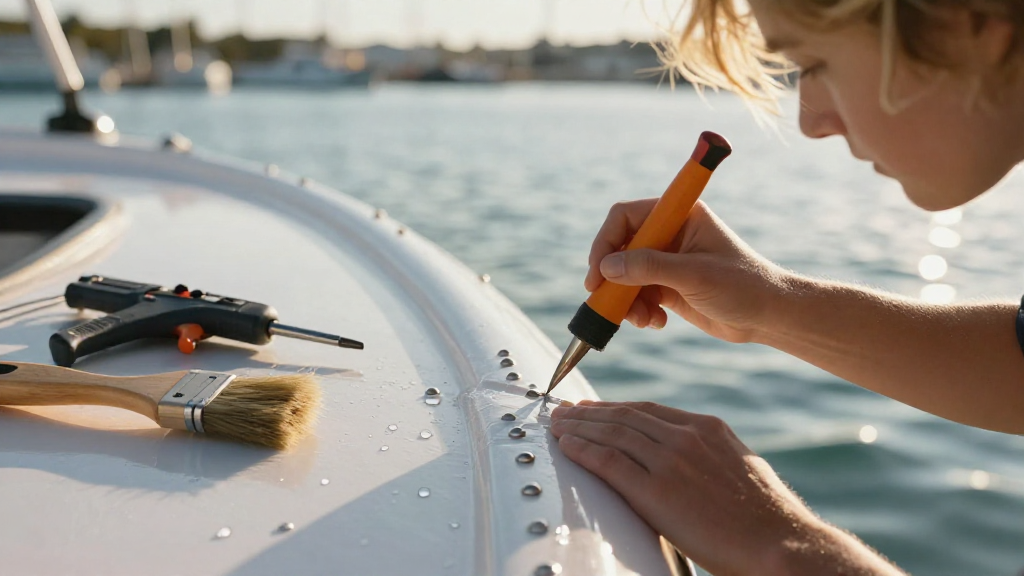
If you’re a boat owner, you may find yourself wondering how to seal boat rivets to prevent pesky leaks.
Understanding the importance of sealing rivets is essential for maintaining the integrity and safety of your vessel. In this comprehensive guide, we’ll walk you through the methods, materials, and tips you need to know about sealing boat rivets effectively.
What Are Boat Rivets and Why Do They Leak?
Boat rivets are mechanical fasteners used to join metal components together in boats.
They are typically found in aluminum or steel hulls. While rivets are sturdy and can withstand significant loads, they may become a source of leaks if not adequately maintained.
Potential reasons for leaks include:
- Corrosion: Over time, exposure to water and salts can lead to rust or corrosion around rivet areas.
- Wear and Tear: Frequent use and movement on the water can loosen rivets.
- Improper Installation: Rivets that weren’t installed correctly can have gaps that allow water to seep through.
How Can You Seal Boat Rivets?
Knowing how to seal boat rivets effectively involves several steps and choices of materials.
Here’s a structured approach to achieving a watertight seal:
1. Clean the Area Around Rivets
Before applying any sealing material, cleanliness is essential.
- Use a wire brush or sandpaper to remove dirt, old paint, and any corrosion around the rivet.
- Ensure the area is dry prior to applying any sealant.
2. Choose the Right Sealant
Different materials can be used to seal boat rivets, so it’s crucial to pick a suitable one for your situation.
Here are some popular options:
- Marine Silicone Sealant: Ideal for small gaps; it offers flexibility and waterproofing.
- Polyurethane Sealant: Strong, durable, and excellent for metal surfaces.
- Epoxy Putty: Suitable for larger gaps, it creates a hard, waterproof seal once cured.
3. Apply the Sealant
Now that you have the right sealant, it’s time to apply it effectively.
Follow these steps:
- Insert the Nozzle: If using a tube sealant like silicone or polyurethane, cut the nozzle at an angle for better control.
- Apply Generously: Squeeze a generous amount of sealant around each rivet. Ensure it fills all gaps around the rivet head.
- Smooth It Out: Use a finger or a tool to smooth the sealant to ensure a strong bond. This can help avoid unsightly lumps.
4. Allow to Cure
Once you’ve applied the sealant, it’s important to let it cure properly.
- Follow the manufacturer’s instructions for drying time.
- This can vary from a few hours to a full day depending on the product.
How Often Should You Seal Boat Rivets?
Sealing boat rivets isn’t just a one-time task.
Regular Maintenance Schedule:
- Annual Inspection: Check for signs of leaks, corrosion, or movement.
- Seasonal Repairs: After each boating season, inspect for damage or deterioration.
- Before Major Trips: Always inspect rivets before heading out for extended periods on the water.
What Signs Indicate Your Rivets Need Sealing?
Being proactive can save you from costly repairs down the line.
Watch for these red flags:
- Water Intrusion: Noticeable water inside the hull or compartments.
- Visible Rust or Corrosion: Signs of oxidation or flaking paint around rivets.
- Loosened Rivets: If rivets wiggle easily, they likely require immediate attention.
Can You DIY or Should You Consult a Professional?
If you’re handy and comfortable with maintenance tasks, sealing boat rivets can be a straightforward DIY project.
However, if you’re uncertain about your skills, consider these points before diving in:
When to Seek Professional Help:
- Extensive Damage: If you notice large areas of corrosion or multiple leaks.
- Structural Concerns: If rivets are critical for hull integrity, expert assessments are advisable.
- Lack of Time: Sometimes, hiring a professional can save you from mistakes and give you peace of mind.
What Else Can You Do to Prevent Rivet Leaks?
In addition to sealing rivets, several preventative measures can minimize the risk of leaks:
- Regular Boat Maintenance: Conduct frequent inspections and upkeep to catch any sign of wear early.
- Proper Storage: Keep your boat secured and covered to protect it from the elements when not in use.
- Use of Quality Materials: Invest in high-quality rivets and sealants to ensure long-lasting durability.
Conclusion
Finally, if you want your boat to stay leak-free, knowing how to seal boat rivets is critical.
From regular maintenance to selecting the proper sealants, being proactive will prolong the lifespan of your vessel and enhance your boating experience.
By following this guide, you’ll be better equipped to maintain your boat, keeping it safe and ready for any adventure on the water!
Don’t hesitate to reach out to professionals if in doubt, and enjoy your time boating with confidence!