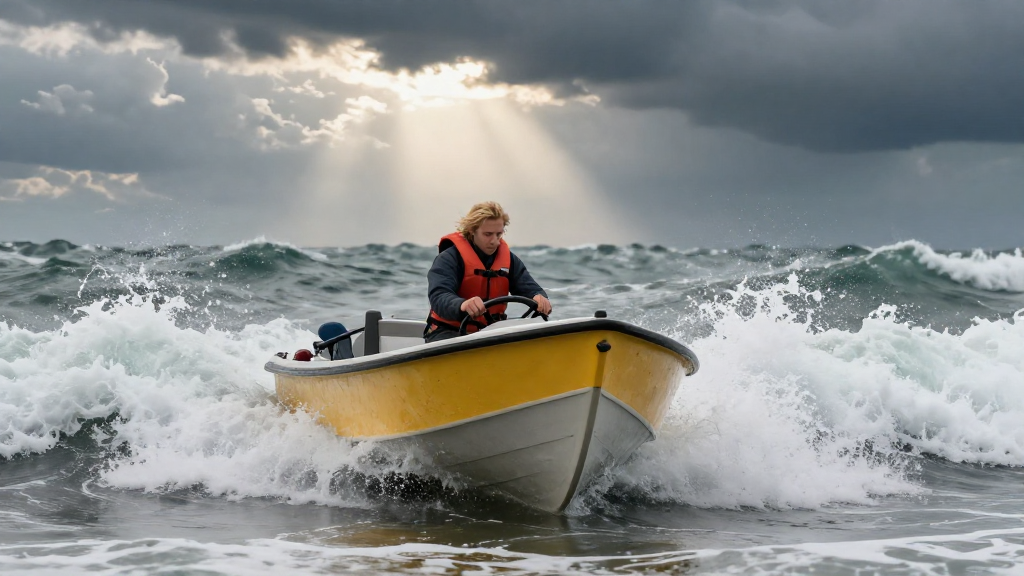
Boating can be an exhilarating experience, but when you’re navigating rough water, safety should be your top priority.
Understanding how to stay safe in rough water boating is crucial for both novice and experienced boaters. Here, we will cover essential safety measures, tips, and best practices to ensure you have a secure and enjoyable time on the water.
What Causes Rough Water?
When considering how to stay safe in rough water boating, it is important to first understand what can lead to challenging boating conditions.
Rough water can arise from several factors, including:
- Wind: Strong winds can create waves and choppy conditions.
- Current: Rivers and lakes with strong currents may make navigation difficult.
- Weather Changes: Sudden storms or shifts in weather can lead to unexpected rough conditions.
- Large Vessels: Passing ships can create wakes that make the water choppy.
By staying informed about these factors, you can prepare yourself and your vessel adequately.
How Can You Prepare Your Vessel?
Preparation is key when learning how to stay safe in rough water boating. Here are some steps to consider:
1. Check Your Equipment
- Ensure your boat is in good working condition.
- Check all safety gear like life jackets, flares, and fire extinguishers.
- Confirm that your communication devices, such as VHF radios and mobile phones, are functioning.
2. Choose the Right Boat for the Conditions
- Light, smaller boats may not be ideal for rough waters.
- Consider using boats specifically designed for adverse conditions, such as a sturdier fishing boat or a large catamaran.
3. Review Weather Conditions
- Always check the weather forecast before heading out.
- Be aware of any storm warnings or conditions that could turn rough unexpectedly.
What Safety Gear Should You Have Onboard?
When considering how to stay safe in rough water boating, having the right safety gear is essential. Here’s a list of items you should always have onboard:
- Life Jackets: Ensure every passenger has a life jacket that fits properly.
- First Aid Kit: Keep a well-stocked first aid kit for any emergencies.
- Navigation Tools: Have maps, GPS devices, and compasses available.
- Emergency Flares: Carry flares to signal others in case of trouble.
- Waterproof Storage: Keep important items dry and secure.
How Should You Operate Your Boat in Rough Water?
Operating your boat cautiously is crucial when you’re figuring out how to stay safe in rough water boating. Here are some tips to follow:
1. Slow Down
- Navigating too quickly can lead to loss of control in rough water.
- Reduce speed to maintain better control and comfort for everyone on board.
2. Head into the Waves
- If you encounter waves, aim to head directly into them at a slight angle.
- This reduces the impact and helps prevent the bow from crashing down.
3. Keep a Low Profile
- Keep passengers seated to maintain the boat’s stability.
- In extreme conditions, lie down or hold onto solid railings to prevent being thrown overboard.
What Should You Do in an Emergency?
In case you encounter an emergency while boating in rough water, being prepared is vital for understanding how to stay safe in rough water boating. Here are steps to follow:
1. Stay Calm
- Panic can lead to poor decision-making.
- Take a deep breath and focus on the safety of everyone onboard.
2. Communicate
- Use your radio to call for help if needed.
- Inform passengers of the situation and your plans.
3. Evaluate Your Options
- Assess whether you should head towards shore or attempt to stabilize the boat.
- Consider the safest route without jeopardizing your safety further.
4. Prepare for All Outcomes
- If the boat capsizes, prioritize getting everyone to safety.
- Ensure everyone is wearing life jackets and is clinging to anything that floats.
How Can You Improve Your Skills?
Building your boating skills can significantly enhance your safety. Here are ways to gain expertise on how to stay safe in rough water boating:
1. Enroll in Boating Courses
- Taking certified boating courses can teach you essential safety measures.
- Look for options that focus on rough water conditions specifically.
2. Gain Experience Gradually
- Start by boating in calm waters before gradually progressing to rougher conditions.
- Practice navigation and maneuvering in a controlled environment.
3. Join a Boating Community
- Connect with local boaters to share tips and experiences.
- Social groups can offer valuable insights into safely navigating rough water.
When Should You Avoid Boating?
Determining when to stay ashore is a crucial component of learning how to stay safe in rough water boating.
Avoid boating if:
- Weather Conditions are Severe: High winds, storms, or thunderstorms pose significant risks.
- You Lack Experience: If you haven’t handled rough water before, it’s best to wait.
- Your Vessel Is Unprepared: Never head out without the right equipment and safety measures in place.
Conclusion
Boating in rough water can be a thrilling adventure, but it also comes with risks. Understanding how to stay safe in rough water boating is essential for enjoying your time on the water.
By adequately preparing your vessel, knowing your safety gear, operating your boat correctly, and continuously improving your skills, you can significantly reduce risks.
Always stay informed and cautious while boating, and you’ll maximize safety for yourself and your passengers. Remember, the water will always be there for another day—safety should always come first!