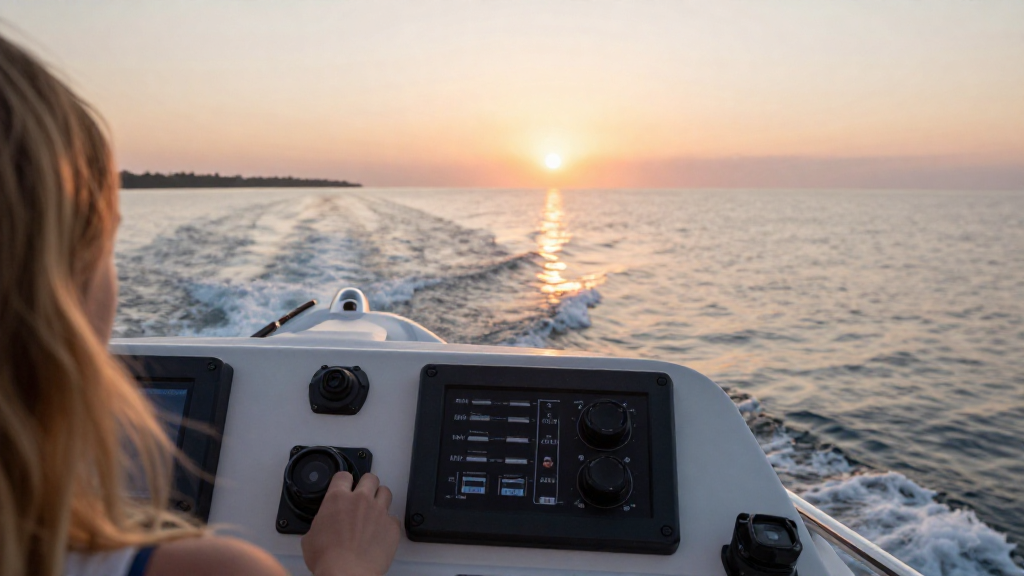
Navigating long trips at sea can be a daunting task, but understanding how to use a marine autopilot makes it significantly easier.
With the help of modern technology, a marine autopilot can minimize the strain of constant steering and allow you to focus on other important aspects of your journey.
What is a Marine Autopilot?
A marine autopilot is a sophisticated device that automatically controls the course of a vessel.
It functions through a series of sensors and commands, enabling the boat to maintain a steady heading without human intervention.
Key Components of Marine Autopilots:
- Compass: Provides heading information.
- Control Unit: Inputs commands from the captain.
- Drive Unit: Adjusts the steering mechanism based on commands.
- Sensors: Monitor the vessel’s movement and adjust course as needed.
Why Use a Marine Autopilot for Long Trips?
Using a marine autopilot is beneficial for various reasons, especially on long voyages:
-
Reduced Fatigue: Constantly steering can be exhausting. An autopilot allows you to relax and enjoy the journey.
-
Increased Precision: Autopilots utilize advanced algorithms to maintain your desired course accurately.
-
Enhanced Time: You can allocate time to perform other crucial tasks like navigation, fishing, or playing with your family while the boat is on autopilot.
-
Safety Features: Most modern systems include safety features such as a “hold” mode to keep the vessel on course, and an alarm system if any issues arise.
How to Use a Marine Autopilot: Step-by-Step Guide
Now, let’s dive into how to use a marine autopilot effectively during your long trips.
1. Understand Your Equipment
Start by familiarizing yourself with the specific autopilot model on your boat.
- Read the Manual: Each autopilot is different. Understanding the buttons and features is crucial.
- Know Your Controls: Learn how to adjust course, engage the autopilot, and switch between manual and automatic modes.
2. Prepare Before Departure
Preparation is key to ensuring a smooth experience.
- Check Your Equipment: Ensure that your autopilot is functioning correctly. Test it in calm waters if possible.
- Set Your Course: Use navigation tools like GPS to establish your route.
- Calibrate the Compass: A well-calibrated compass enhances autopilot performance.
3. Setting Up the Autopilot
Once you’re ready to set sail, it’s time to engage the autopilot.
- Manual Steering: Initially, steer the boat to the desired heading manually.
- Engage the Autopilot: Once you’re on course, activate the autopilot according to your model’s instructions.
- Check the Display: Ensure the heading displayed is your intended course.
4. Monitoring and Adjustments
Your job isn’t finished once the autopilot is engaged.
- Regular Checks: Periodically inspect the autopilot display and steering.
- Adjust Course as Necessary: If environmental conditions change or you’re navigating obstacles, you might need to adjust the course.
- Be Prepared to Take Control: Always be ready to revert to manual steering in case of emergencies.
What Are the Common Issues with Marine Autopilots?
Sometimes, you may encounter challenges while using a marine autopilot. Knowing these can save you time and stress.
Common Problems:
- Loss of Power: Ensure your unit is charged, especially on long trips.
- Mechanical Failures: Regular maintenance can prevent these issues.
- Incorrect Calibration: Verify your compass regularly to ensure accuracy.
- Environmental Factors: Waves and winds can affect autopilot precision.
Best Practices for Long Trips with a Marine Autopilot
Achieving successful long-distance navigation means adhering to several best practices.
Recommended Strategies:
- Use GPS and Charting: Always keep visual and electronic charts handy. Autopilots complement but do not replace navigation.
- Set Waypoints: For extended journeys, establish waypoints using your GPS.
- Communicate Regularly: If sailing with others, maintain communication. Have someone monitor the autopilot while you rest.
- Don’t multi-task excessively: While the autopilot helps relieve you, avoid losing focus entirely. Keep an eye on your surroundings.
What Are the Safety Features of a Marine Autopilot?
Modern marine autopilots come equipped with several safety features designed to enhance your journey.
Notable Safety Features:
- Auto-Disengage: If the autopilot detects a significant deviation, it will often disengage or alert you.
- Wind-Mode: Preserves course in windy conditions by adjusting for drift.
- Remote Control: Some models offer this feature for enhanced comfort while monitoring the journey.
Conclusion: Mastering Your Marine Autopilot for Stress-Free Adventures
Learning how to use a marine autopilot effectively is an essential skill for any sailor looking to make long trips at sea.
The convenience it offers not only reduces physical fatigue but also provides peace of mind to focus on other important aspects of your journey.
With proper understanding, preparation, and best practices in place, your next marine adventure can be more enjoyable and safe.
Invest the time to master your autopilot, and you’ll discover a whole new level of freedom on the open water. Happy sailing!