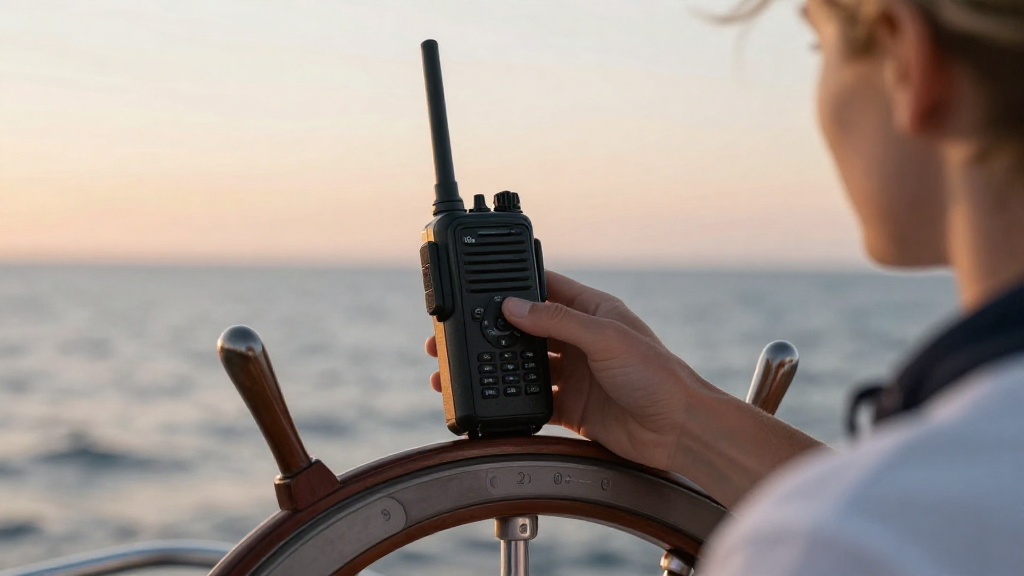
Navigating the waters can be a daunting task, but knowing how to use a marine VHF radio can dramatically enhance your safety and communication while on board.
What is a Marine VHF Radio?
A Marine VHF (Very High Frequency) radio is an essential communication tool for boaters.
It allows users to communicate over long distances with other vessels and coastal stations.
In emergencies, a marine VHF radio can be a lifesaver, enabling boaters to call for help quickly.
Why Use a Marine VHF Radio?
Understanding how to use a marine VHF radio is paramount for several reasons:
- Safety: In emergencies, quick communication can mean the difference between life and death.
- Navigation: You can receive important weather updates and navigational warnings.
- Legal Requirements: In many jurisdictions, carrying a marine VHF radio is mandatory on certain types of vessels.
How Does a Marine VHF Radio Work?
VHF radios operate by transmitting and receiving signals on specific frequencies.
These radios work by sending and receiving signals in the VHF spectrum (156 to 174 MHz).
When you press the PTT (push-to-talk) button, your voice is converted into an electronic signal that is broadcasted to other radios tuned to the same frequency.
How to Use a Marine VHF Radio: A Step-by-Step Guide
Now that we’ve covered the basics, let’s get into the specifics of how to use a marine VHF radio like a pro.
1. Familiarize Yourself with the Equipment
Before you venture out, it’s vital to get to know your marine VHF radio.
- Power On/Off: Locate the power button to turn your radio on or off.
- Volume Control: Adjust the volume to ensure you can hear incoming transmissions.
- Channel Selection: Learn how to switch between channels easily.
- Microphone: Understand how to effectively use the microphone.
- Push-to-Talk (PTT): Remember that you need to press this button to transmit.
2. Select the Right Channel
Choosing the correct channel is crucial to effective communication.
- Channel 16: This is the international distress channel. Always monitor this channel when you are on the water.
- Working Channels: Familiarize yourself with channels used by local vessels and marinas.
- Weather Broadcasts: Check local channels for weather updates.
3. Learn Proper Radio Etiquette
Understanding radio etiquette is an important aspect of how to use a marine VHF radio effectively.
- Listen Before Transmitting: Make sure the channel is clear.
- Use Clear Language: Be concise and to the point.
- Identify Yourself: Start your communication by stating your vessel’s name and position.
- Limit Overlapping: Avoid talking over others, which can hinder communication.
4. Make a Distress Call
In emergencies, knowing how to make a distress call is critical. Here’s how to do it:
- Switch to Channel 16: Always use Channel 16 for distress calls.
- Press PTT: Hold the button and clearly state: “Mayday, Mayday, Mayday.”
- Provide Details: Give your vessel name, position, nature of the emergency, and any other pertinent info.
- Wait for a Response: After your call, wait for a response before continuing to transmit.
5. Practice Routine Communications
Practicing non-emergency communications will help you get comfortable with the equipment.
- Schedule Check-ins: Arrange regular check-in times with fellow boaters or a marina.
- Practice Reporting: Use your VHF to report your position and any changes.
- Drill Scenarios: Simulate emergency situations to better prepare yourself.
6. Regularly Maintain Your Marine VHF Radio
Regular maintenance ensures your communication equipment works optimally. Here’s what you need to do:
- Check Connections: Regularly inspect cables and connectors for rust or corrosion.
- Keep Clean: Wipe the radio down to prevent salt buildup.
- Test Functionality: Periodically test your radio to ensure it transmits and receives clearly.
What Common Mistakes Should You Avoid?
Knowing how to use a marine VHF radio also means avoiding common pitfalls.
- Ignoring Proper Channels: Failing to check or understand which channels are intended for which communication types can lead to confusion.
- Using Jargon: Avoid using complicated language or jargon that others may not understand.
- Overusing the Distress Channel: Channel 16 should be reserved for distress calls; using it for casual conversations can lead to delays in emergency responses.
Conclusion: Elevate Your Boating Experience
Mastering how to use a marine VHF radio empowers boaters to communicate effectively and safely while navigating the water.
From emergency calls to routine check-ins, knowing your VHF equipment can enhance not just your safety, but the overall enjoyment of your boating experience.
So whether you’re an experienced mariner or just starting, familiarize yourself with the ins and outs of your marine VHF radio and stay safe on the water. Happy sailing!