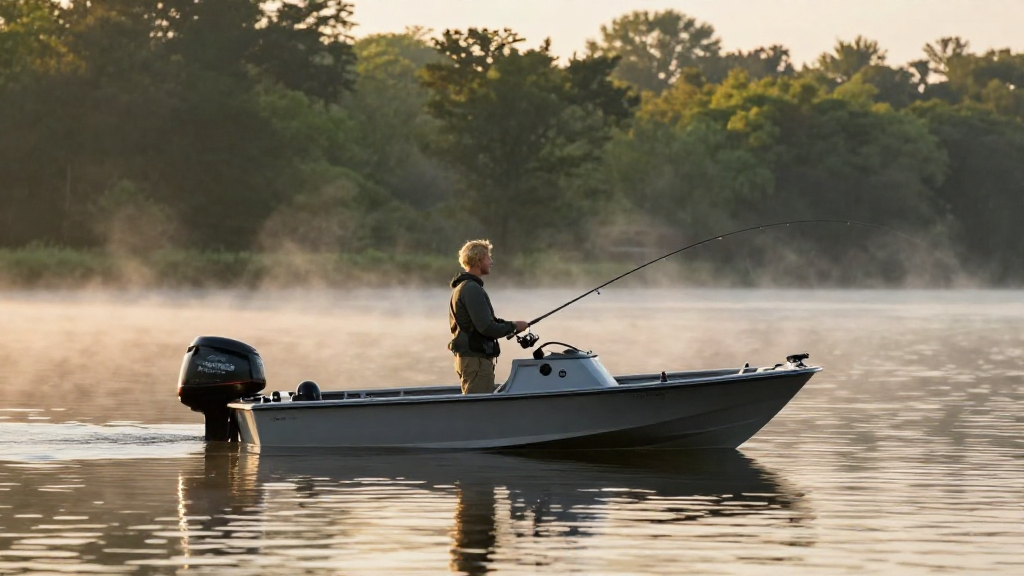
Are you wondering how to use a trolling motor for fishing? Trolling motors are essential tools that can significantly enhance your fishing experience, providing better control and maneuverability on the water. Whether you’re a seasoned angler or a beginner, learning to effectively use a trolling motor can unlock new fishing opportunities.
What is a Trolling Motor?
A trolling motor is a small, low-thrust electric or gas-powered motor mounted on a boat.
Its primary purpose is to provide quiet, controlled movement, allowing anglers to navigate while remaining stealthy enough not to scare away fish.
How Does a Trolling Motor Work?
Trolling motors generally come equipped with:
- Propellers: These push water backward, propelling the boat forward.
- Controls: Usually a foot pedal or hand-held remote that adjusts speed and direction.
- Batteries: Electric trolling motors are powered by deep-cycle batteries, giving ample runtime for an entire day of fishing.
The motor allows anglers to manipulate their boat’s position, enabling them to hold their line in optimal fishing spots without disturbing the water.
How to Use a Trolling Motor for Fishing?
Let’s delve into the specifics of how to use a trolling motor for fishing. Follow these steps to maximize your fishing experience:
1. Choose the Right Trolling Motor for Your Boat
Selecting the appropriate trolling motor is crucial.
You’ll want to consider:
- Boat Size: A higher thrust motor is required for larger boats.
- Weight: Ensure the motor can handle your boat’s weight and your gear.
- Type of Water: Freshwater and saltwater environments may require different materials for durability.
2. Mounting Your Trolling Motor Properly
For optimal performance, make sure to mount your trolling motor securely.
Follow these tips:
- Positioning: Install the motor on the transom or bow, based on your fishing style.
- Angle: Ensure the motor is angled correctly to minimize drag.
- Accessibility: Ensure controls are easily accessible from your fishing position.
3. Practice Steady Movements
To learn how to use a trolling motor for fishing effectively, practice smooth and controlled movements.
Tip:
- Use Variable Speeds: Start with a slower speed to avoid startling fish and then gradually increase as you gain confidence.
- Direction Control: Use short bursts of forward or reverse power to fine-tune your position.
4. Utilize Spot-Lock Features
Many modern trolling motors come with a spot-lock feature.
This allows the motor to maintain your position without needing manual adjustments.
- How to Use Spot-Lock: Simply activate the feature when you find a promising spot.
- Benefits: This is particularly useful when fishing in wind or currents, providing you with stability.
5. Adjust for Wind and Current
Learn to adjust your tactics based on weather and water conditions.
- When Winds Pick Up: Use a higher speed to counteract the effects of wind.
- Current Adjustments: Go upstream with a strong current to remain in the striking zone.
What are the Benefits of Using a Trolling Motor?
Understanding how to use a trolling motor for fishing also involves recognizing its numerous benefits:
1. Stealth in Fishing
Trolling motors operate quietly, allowing you to sneak up on fish.
Fish are less likely to be startled, increasing your chances of a successful catch.
2. Increased Maneuverability
Trolling motors give you the ability to navigate tight spots with precision.
This flexibility is especially advantageous in lakes with complex structures like weeds or submerged logs.
3. Reduced Wear and Tear on the Main Engine
Using a trolling motor can ease the strain on your boat’s main engine.
This approach:
- Extends Engine Life: Less use means fewer repairs and maintenance costs.
- Saves Fuel: Trolling motors are more fuel-efficient than larger outboards.
4. Improved Fishing Techniques
Trolling motors allow for the application of various fishing techniques, such as:
- Drifting: Maintain a steady drift over productive waters.
- Casting: Position your boat precisely to execute accurate casts.
How to Care for Your Trolling Motor?
To ensure longevity and reliability, proper maintenance is essential.
Here are some care tips:
1. Regular Cleaning
After each fishing trip:
- Rinse Thoroughly: Especially important for saltwater motors to prevent corrosion.
- Inspect Props: Look for debris or damage that could affect performance.
2. Battery Maintenance
- Check Fluid Levels: For lead-acid batteries, maintaining proper fluid levels is vital.
- Charge Regularly: Ensure your batteries are fully charged before each outing.
3. Store Properly
When not in use:
- Remove the Motor: Take your trolling motor off the boat to prevent theft and protect it from elements.
- Use Covers: Investing in a good quality cover can protect your motor from dust and debris.
Conclusion
Knowing how to use a trolling motor for fishing can dramatically improve your fishing experience.
By learning the ins and outs of operation, maintenance, and proper positioning, you’ll be well on your way to becoming an adept angler.
With the benefits of increased stealth, maneuverability, and improved fishing techniques at your fingertips, don’t hesitate to make a trolling motor a vital part of your fishing arsenal.
So gear up, hit the water, and explore the newfound freedom that comes with using a trolling motor!