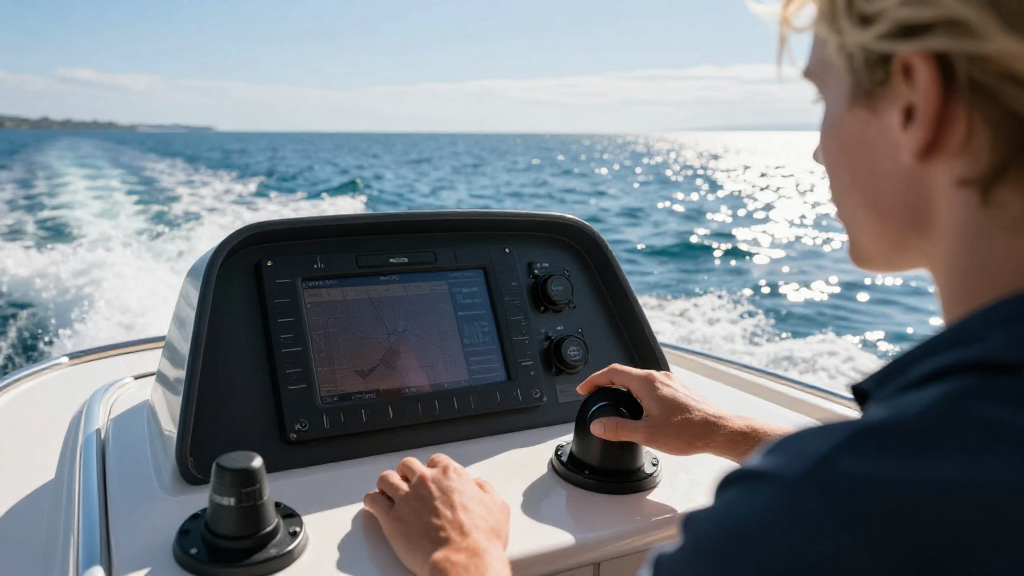
Using AIS (Automatic Identification System) on your boat is essential for safe navigation.
This advanced maritime technology enhances situational awareness, allowing you to stay informed about surrounding vessels.
What Is AIS and Why Should You Use It on a Boat?
AIS, or Automatic Identification System, is a communication system used on vessels to provide vital information about their movements.
By using AIS, boaters can share their position, course, speed, and more with other nearby vessels and shore stations.
The benefits of using AIS on a boat include:
-
Collision Avoidance: AIS helps prevent accidents by displaying the positions of other vessels in real-time.
-
Enhanced Safety: Having access to data about nearby fishing boats, ferries, and cargo ships can be invaluable, especially in busy waterways.
-
Environmental Awareness: AIS can help monitor wildlife and marine environments by indicating areas of high vessel traffic.
How to Use AIS on a Boat: Step-by-Step Guide
Learning how to use AIS on a boat can significantly improve your navigation experience.
Here are the essential steps:
-
Choose the Right AIS System:
– There are two types of AIS devices: Class A and Class B.
– Class A is typically used for commercial vessels and provides more detailed information.
– Class B is designed for recreational boats and is more user-friendly and cost-effective. -
Installation of AIS Equipment:
– AIS units can be integrated with your boat’s existing navigation system or used as standalone equipment.
– Ensure proper installation of the receiver and transponder.
– Follow the manufacturer’s instructions for optimal performance. -
Connecting AIS to Your GPS and Chartplotter:
– Most AIS devices require a connection to a GPS to backfeed location information.
– Connect the AIS unit to your chartplotter for an enhanced user experience, displaying vessel information directly on the screen. -
Powering Up Your AIS Unit:
– Ensure the device is powered correctly and that you have a strong antenna signal.
– Check for LED indicators to confirm that the AIS unit is functioning properly. -
Understanding the AIS Interface:
– Familiarize yourself with the layout of the AIS display.
– Key information commonly viewed includes:- Vessel name
- MMSI number
- Course over ground (COG)
- Speed over ground (SOG)
- Closest point of approach (CPA)
How Does AIS Work on a Boat?
AIS operates using VHF radio frequencies to transmit data.
It broadcasts information about your vessel and receives similar data from other vessels within range.
Here’s how the system generally works:
-
AIS periodically sends out your ship’s position, speed, course, and other pertinent details to nearby vessels.
-
Receiving Vessels: Other AIS-equipped boats obtain this data, creating a comprehensive situational awareness of vessels in the vicinity.
-
Shore-Based Stations: Some AIS systems can communicate with shore-side facilities to relay information about vessel traffic and monitor maritime safety.
Tips for Effective Use of AIS on a Boat
Understanding how to use AIS on a boat effectively can greatly enhance your safety and navigation experience. Here are some actionable tips:
- Regularly Update Your AIS Device:
- Ensure your device’s firmware is up to date for the best functionality.
-
Check that your boat’s details, such as size and type, are accurately entered.
-
Monitor Closely:
-
Use the screen display to continually monitor nearby vessels, adjusting your course when close encounters are anticipated.
-
Combine with Radar/Charting Systems:
-
Utilizing AIS in tandem with radar can be an excellent strategy, providing additional layers of safety and information.
-
Educate Your Crew:
-
Ensure that all crew members understand how to operate the AIS system and interpret the information provided.
-
Practice Collins Signals:
- Utilize common maritime visual signals for vessel encounters, even while leveraging AIS data.
What Challenges Might You Face Using AIS on a Boat?
Using AIS is not without its challenges. Awareness of these can improve your experience:
- Limited Range:
-
AIS has a range limit of approximately 20-30 nautical miles. Be mindful that vessels outside this perimeter may not be visible.
-
Data Overload:
-
Information displayed may be overwhelming. Filtering data by relevance can help you focus on critical information.
-
Vessel Type:
- Class B AIS transponders have limited range and might be less detailed than Class A devices, posing challenges in busy harbors.
Conclusion: How to Use AIS on a Boat for Safer Navigation
In summary, understanding how to use AIS on a boat is vital for safe maritime navigation.
From choosing the right system to effective installation and usage, AIS can elevate your boating experience while improving safety.
- Navigate with confidence by employing this essential technology!
- Always ensure your AIS device is in good working order and that all crew members understand its functions.
Whether you are a seasoned mariner or a novice boater, mastering AIS technology will significantly enhance your ability to navigate safely and efficiently.
So, set sail with peace of mind, knowing you have the power of AIS at your disposal!