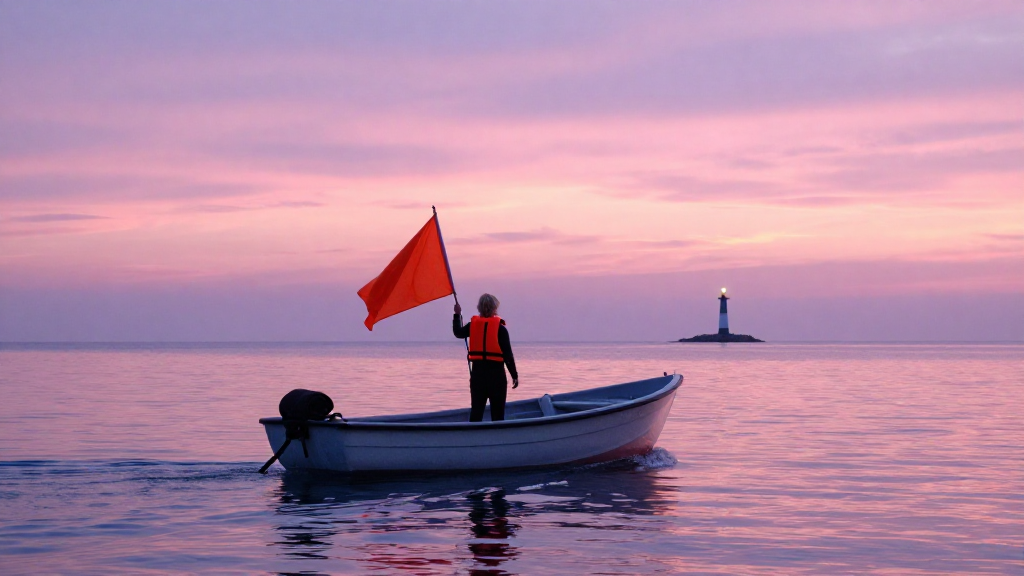
When navigating the vast waters, knowing how to use distress signals on a boat can be a lifesaver. This article will guide you through the types of distress signals available, their proper usage, and key safety tips.
What Are Distress Signals on a Boat?
Distress signals are crucial tools for communicating emergencies on the water. They alert nearby vessels or rescue services that you are in trouble.
Common types of distress signals include:
- Visual Signals: Flares, flags, and lights
- Sound Signals: Horns or whistles
- Radio Communication: VHF radio distress calls
Next, we will delve into each type of signal and discuss how to use distress signals on a boat effectively.
How Do You Use Visual Distress Signals?
Visual signals are among the most recognized ways to communicate distress. To ensure effectiveness, follow these guidelines:
Flares
-
Types of Flares:
– Handheld Flares: Used during the day or night.
– Aerial Flares: These are shot into the sky for high visibility. -
Usage:
– Always read the instructions specific to your flare type.
– Hold the flare away from your body to avoid injury.
– Aim at a 45-degree angle when using aerial flares.
Distress Flags
-
International Code Flag NC:
– This flag is a recognized indicator of distress. -
Usage:
– Display the flag at the highest point on your boat.
– Ensure it is visible from all directions.
Search and Rescue Lights
-
Types of Lights:
– Strobe lights and flashing beacons are recommended. -
Usage:
– Activate during low visibility or at night.
– Ensure the light is aimed vertically for maximum visibility.
Tips for Visual Signals
- Make sure signals are readily accessible and not stored away.
- Check expiration dates on flares and replace them as necessary.
How Do You Use Sound Distress Signals?
Sound signals are another effective method for communicating distress while on the water. Here’s how to utilize them:
Horns and Whistles
-
Types of Sound Devices:
– Electric horns, mechanical horns, and handheld whistles. -
Usage:
– For distress, produce a series of 5 short blasts on your horn or whistle.
– Allow a pause, then repeat. Continue this pattern until your message is understood.
Other Sound Signals
- Bell or Whistle Usage: A bell can be a great alternative, especially in rough conditions.
Tips for Sound Signals
- Always follow the sound patterns recognized worldwide.
- Regularly test your sound devices to ensure they operate effectively.
How Do You Use Radio Distress Signals?
Understanding radio communication is vital in effectively conveying distress signals. Using VHF radios is the industry standard for sending messages.
VHF Radio Protocol
-
Using Channel 16:
– Channel 16 is the emergency frequency; keep it monitored.
– Use it to call for help in urgent situations. -
Distress Mayday Call Format:
– Start with your identification: “Mayday, Mayday, Mayday! This is [Your Boat Name].”
– State your location and nature of distress: “I am [Your Location], taking on water.”
Tips for Using Radio Communication
- Maintain battery power; consider a backup.
- Practice calm and clear communication to avoid confusion.
How to Prepare and Train for Distress Situations?
Learning how to use distress signals on a boat is just one aspect; preparation and ongoing training are equally crucial.
Safety Equipment Checklist
- Flares (handheld and aerial)
- Distress flag
- VHF radio
- Sound signaling device (horn, whistle)
- Lifesaving equipment (life jackets, floatation devices)
Regular Drills
- Conduct regular safety drills with your crew.
- Ensure everyone knows the location of distress signals and understands their usage.
Stay Updated
- Join local boating safety courses and refresh your knowledge yearly.
- Keep abreast of maritime laws and any changes in distress communication protocols.
What Should You Do After Sending Distress Signals?
Upon activating distress signals, follow these crucial steps:
-
Stay Calm and Still:
– Avoid unnecessary movements to keep your energy for when help arrives. -
Monitor Expectations:
– Keep a lookout for approaching vessels or rescue services. -
Use Non-Signal Communication:
– If safe, use a flashlight or mirror to signal passing boats. -
Document the Incident:
– Once safe, document what happened as it may help in future safety training. -
Report to Authorities:
– Inform local maritime authorities about the incident.
Conclusion
Mastering how to use distress signals on a boat provides peace of mind while navigating the waters. Knowledge of visual, sound, and radio distress signals is essential for ensuring safety.
Always keep your distress signal devices in working condition and ensure you and your crew are familiar with their usage. In critical situations, your preparedness can make all the difference. Safe boating!