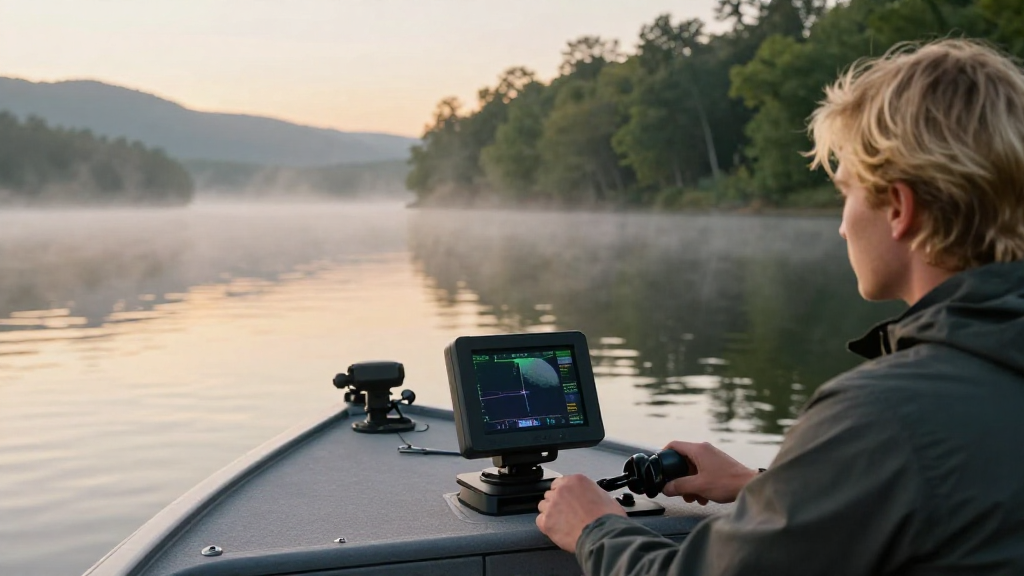
Knowing how to use sonar for boating can dramatically enhance your experience on the water, whether you’re navigating or fishing.
This technology can help you identify underwater structures, locate fish, and avoid potential hazards, ultimately making your time on the water safer and more productive.
What Is Sonar Technology?
Sonar, short for Sound Navigation and Ranging, is a technology that uses sound waves to detect and locate objects underwater.
There are various types of sonar systems available, including traditional sonar, side-scan sonar, and down-imaging sonar.
These systems emit sound waves that bounce off objects and return to the device, allowing you to view what’s beneath your boat.
Understanding how to use sonar for boating begins with familiarizing yourself with these types and their applications.
Why Use Sonar for Boating?
Using sonar while boating offers numerous benefits, including:
- Improved Navigation: Sonar can help you avoid underwater obstacles, rocks, and shallow areas.
- Fish Location: Finding schools of fish can be a game-changer for anglers.
- Depth Measurement: Knowing the water’s depth helps prevent accidents and gear loss.
- Charting Bathymetry: You can create maps of the underwater environment for future reference.
In essence, sonar can transform how you interact with aquatic environments by providing critical information just beneath the surface.
How Does Sonar Work?
To understand how to use sonar for boating, you should grasp the basic mechanics of how sonar technology functions:
- Sound Wave Emission: The sonar device sends out sound waves into the water.
- Echo Reception: When these sound waves hit an object, they bounce back to the sonar device.
- Data Interpretation: The device interprets these echoes and displays the information as images or readings on the screen.
This real-time feedback allows boaters and fishermen to make informed decisions based on underwater conditions.
How to Set Up Your Sonar Device?
Setting up a sonar device correctly is crucial for its effective use. Here’s how to get started:
-
Mounting the Transducer:
– Choose a location on the boat’s hull that is free from disturbances.
– Ensure the transducer is level with the water surface for accurate readings. -
Connecting the System:
– Connect the sonar unit to the transducer following the manufacturer’s guidelines.
– Power on the device and calibrate it according to your specific needs. -
Adjusting Settings:
– Configure settings for depth, sensitivity, and range to match your requirements.
Following these steps ensures that you can maximize the potential of your sonar system.
How to Read Sonar Images?
Once you’ve set up your device, it’s essential to know how to use sonar for boating by learning to interpret sonar images effectively:
-
Fish Arches: Look for arcs or arches on the screen, typically indicating fish. The size of the arch can help you gauge the size of the fish.
-
Bottom Structure: Changes in color or texture indicate a rocky or weed-covered bottom. Pay attention to these areas, as they can attract fish.
-
Depth Indicators: Regularly check the suggested depth information to avoid running aground.
Familiarizing yourself with these features enables you to use sonar more effectively while you’re on the water.
How to Use Sonar for Fishing?
Using sonar is particularly beneficial for fishing. Here are a few tips on how to use sonar for boating as it relates specifically to fishing:
-
Search for Structures:
– Use your sonar to identify underwater structures like bridges, wrecks, and points, where fish are likely to gather. -
Depth Variation:
– Fish often congregate at specific depths, so don’t hesitate to adjust your depth settings while scanning. -
Time of Day:
– Fish behavior changes throughout the day. Morning and evening are often more productive times, so adjust your fishing strategy accordingly.
Tips for Using Sonar Effectively
To make the most of your sonar system, consider the following tips:
-
Practice Regularly: Spend time familiarizing yourself with your sonar unit.
-
Layer Information: Use multiple sonar types if available, like combining traditional sonar with side-scan or down-imaging for comprehensive data.
-
Note Weather Conditions: Be aware that heavy rain and wind can affect sonar performance.
By mastering these techniques, you’ll greatly improve your overall fishing success.
What to Avoid When Using Sonar?
While knowing how to use sonar for boating is crucial, it is also essential to be aware of common pitfalls:
-
Over-reliance: Don’t depend solely on sonar data without observing your surroundings. Always keep your eyes open for visual cues.
-
Ignoring Sound Settings: Make sure to adjust your sound sensitivity based on water conditions, as these can vary greatly.
-
Neglecting Maintenance: Regularly check your sonar equipment for any damage or malfunctions to ensure accuracy.
Being conscious of these factors will help you use sonar more effectively and make informed decisions while on the water.
How to Maintain Your Sonar System?
Maintaining your sonar device is equally crucial for long-term functionality. Here are some tips for proper maintenance:
-
Regular Cleaning:
– Clean the transducer periodically to remove algae or dirt that may hinder performance. -
Firmware Updates:
– Keep your software up to date to ensure optimal performance and new features. -
Check Connections:
– Periodically inspect all wires and connections for any signs of wear or corrosion.
A well-maintained sonar device will yield better results, making your boating and fishing experiences more enjoyable.
Conclusion
In summary, knowing how to use sonar for boating can significantly improve your navigation and fishing skills.
By understanding the technology, mastering readings, and applying strategic fishing techniques, you can make the most of your time on the water.
Whether you are a recreational boater or a seasoned angler, utilizing sonar systems to their full potential will enhance your overall experience, making every outing a successful one.
So, gear up and get ready to explore the underwater world like never before!