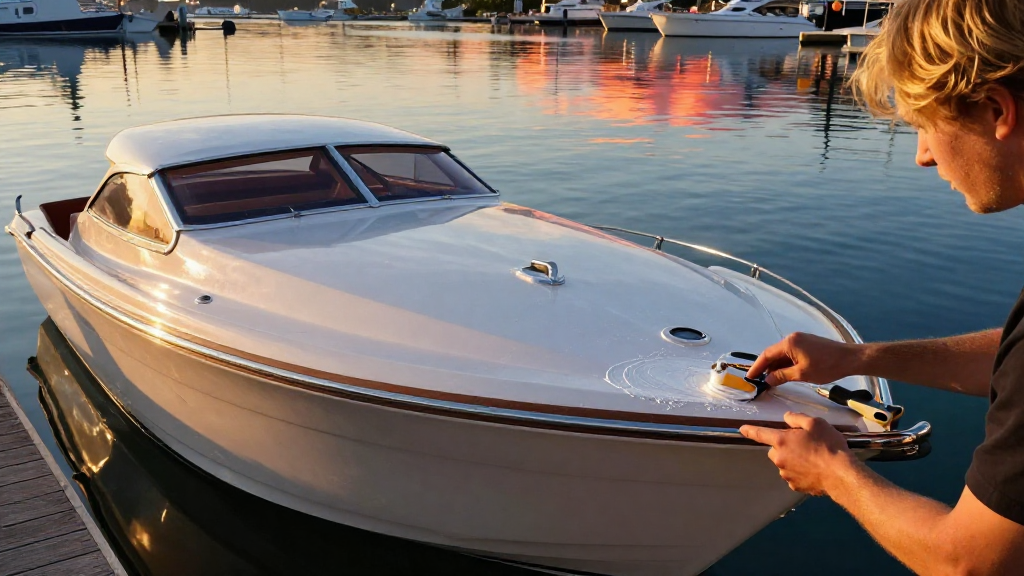
If you’re wondering how to wax a boat for optimal UV protection, you’ve come to the right place.
In this article, we will cover the essential steps, tips, and tools needed to effectively wax your boat, ensuring that it stays protected from the sun’s harmful rays for years to come.
Why Should You Wax Your Boat?
Why is waxing important?
Waxing your boat isn’t just about achieving a glossy finish.
Here are some key reasons why you should invest time in learning how to wax a boat:
-
UV Protection: Wax acts as a barrier, protecting your boat’s gel coat from degrading due to harmful UV rays.
-
Surface Protection: A good wax job creates a shield against salt, dirt, and grime, making it easier to clean.
-
Improved Aesthetics: A well-waxed boat looks sleek, shiny, and inviting, enhancing its appearance on the water.
-
Extended Lifespan: Regular waxing can prolong the life of your boat’s surfaces, saving you money on repairs and maintenance.
What Tools Do You Need to Wax a Boat?
What do you need for the job?
Before diving into the process of how to wax a boat, make sure you have the right tools on hand:
-
Marine-grade Wax: Look for products specifically designed for boats to ensure maximum protection.
-
Soft Cloths or Buffing Pads: Microfiber cloths or soft buffing pads are ideal to avoid scratching the surface.
-
Buffer or Polisher (Optional): An electric polisher can make the job faster and more uniform, but a hand application works too.
-
Clean Water: For washing the boat before waxing.
-
Soap or Boat Cleaner: A gentle soap helps remove dirt and stains prior to waxing.
-
Masking Tape (Optional): Use this to protect areas you don’t want to wax, such as rubber gaskets and non-skid surfaces.
How to Prepare Your Boat for Waxing?
What are the preparation steps?
The first step in our guide on how to wax a boat is proper preparation.
Here’s how you can get your boat ready:
- Wash Your Boat:
-
Rinse off any dirt, grime, or saltwater using clean water.
-
Use a gentle soap or dedicated boat cleaner to scrub the surface thoroughly.
- Dry the Boat:
-
Use soft towels or microfiber cloths to dry the boat completely.
-
Avoid waxing when the surface is hot or in direct sunlight to prevent the wax from drying too quickly.
- Inspect for Damage:
-
Check the hull and surfaces for scratches or scuffs.
-
Make necessary repairs before waxing, as waxing over damage can trap dirt and moisture.
How to Apply Wax to Your Boat?
What are the steps for application?
Now that your boat is prepped, let’s delve into how to wax a boat.
Follow these steps for an effective waxing process:
- Test the Wax:
- Before applying on the whole surface, do a spot test on a small, inconspicuous area.
- Use a Buffer or Apply By Hand:
-
If using a buffer, apply a small amount of wax to the pad, set it on the surface, and start at a low speed to avoid splatter.
-
If applying by hand, use a circular motion and a soft cloth to work the wax into the surface evenly.
- Work in Sections:
-
Divide your boat into sections and wax one section at a time.
-
This allows the wax to dry properly without becoming hard to buff out.
- Let It Haze:
- Allow the wax to sit and haze up for about 10-15 minutes, following the product recommendations for time.
- Buff Off:
-
Use a clean, dry microfiber cloth to buff off the dried wax.
-
Apply pressure and make sure to remove all residue to achieve a glossy finish.
How Often Should You Wax Your Boat?
What is the ideal frequency for waxing?
You’re probably asking yourself how often to repeat this process after learning how to wax a boat.
Typically, waxing your boat 2-4 times a year is ideal, depending on various factors:
-
Exposure to UV Rays: Boats kept in direct sunlight may require more frequent waxing.
-
Water Conditions: If you frequently use your boat in saltwater, it may accelerate oxidation, making regular waxing more critical.
-
Storage Conditions: If your boat is covered and stored indoors, less frequent waxing might be necessary.
Additional Tips for Maximum UV Protection
How can you enhance UV protection?
In addition to learning how to wax a boat, here are some additional tips for maintaining maximum UV protection:
-
Use a UV Blocker: Consider adding a UV-inhibiting polish or a dedicated UV protectant after waxing for extra defense.
-
Cover Your Boat: When not in use, cover your boat or store it indoors to minimize sun exposure.
-
Regular Inspections: Periodically check your boat for any signs of damage or wear that may require prompt attention.
-
Rinse After Use: Always rinse your boat with fresh water after using it in saltwater or muddy conditions.
-
Keep it Clean: Regularly wash your boat to prevent dirt buildup that can cause scratches and dullness over time.
Conclusion
Learning how to wax a boat is essential for safeguarding your investment against UV damage and maintaining its beauty.
Utilizing the right tools and techniques not only enhances the appearance of your boat but also significantly prolongs its life.
By prepping properly, applying wax correctly, and scheduling regular maintenance, you can keep your boat looking its best and ensure that it is always ready for your next aquatic adventure.
So gather your supplies, take the time to wax your boat, and enjoy those sunny days on the water with peace of mind knowing your boat is well protected!